Tell us about the job
Takes about a minute. No obligation.
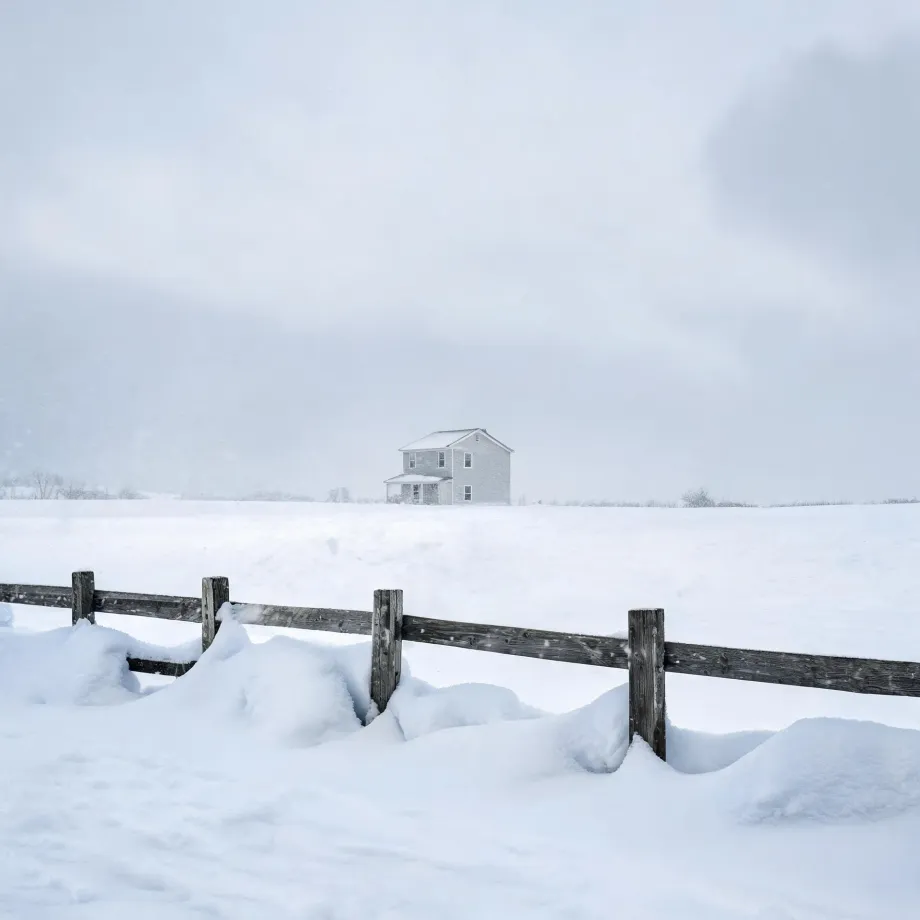
Sizing a boiler correctly for this area requires a contractor to account for a long, unbroken heating demand. Homes in Washington County, NE run heat about eight months a year, from October through May. Burner assemblies and ignition components cycle every time the thermostat calls, and a boiler that runs through most of autumn, all of winter, and deep into spring accumulates that wear on a compressed calendar with little idle time. A unit that was undersized or commissioned without care shows stress in those parts sooner than the homeowner expects. A contractor quoting a new installation here treats heat exchanger sizing and flue configuration as primary decisions, not finishing details.
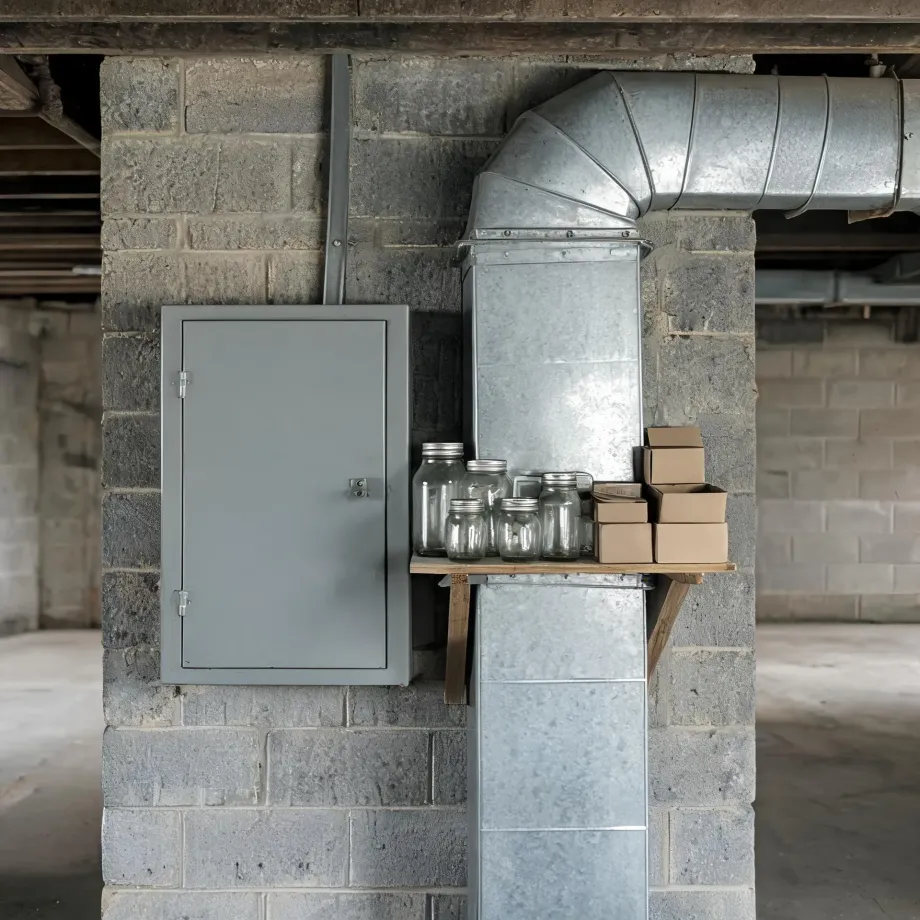
Ductwork laid down for a previous generation of equipment carries assumptions about airflow, routing, and load that a contractor has to verify before sizing anything new. Half the homes in Washington County, Nebraska were built in 1976 or earlier (2020-2024 ACS 5-year). That history shows up in the pipes and distribution paths a contractor opens, and what they find there decides whether the installation follows the quoted scope or expands it. The electrical service in houses like these is worth checking early too, since panels in this stock were not sized with today's equipment in mind.
What Gets Installed With a New Boiler
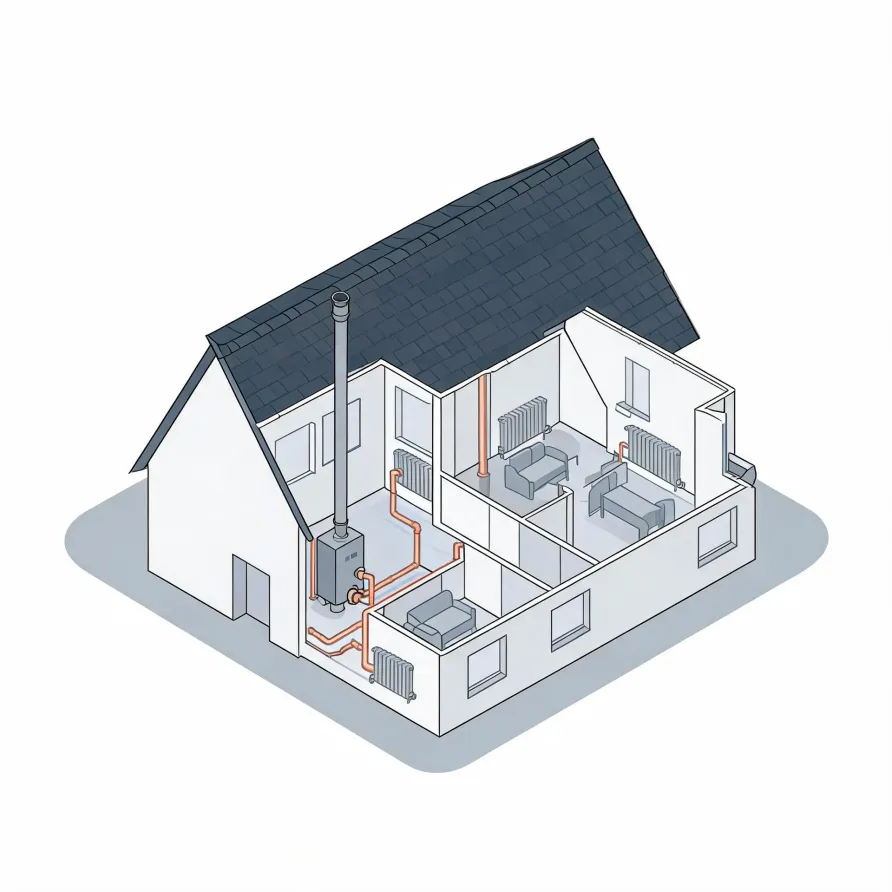
The boiler itself sits in the basement or mechanical room and is the heart of the system. A contractor mounts the unit to the floor, connects it to the fuel supply, and ties it into the home's existing plumbing. The heat exchanger lives inside that cabinet, transferring heat from combustion into the water that circulates through the house.
Radiators or radiant floor loops sit at the delivery end, spread through the rooms that need heat. A circulator pump, usually mounted close to the boiler, moves water through those loops. The expansion tank and pressure relief valve mount nearby on the supply piping, keeping the system at a safe and steady pressure.
The drawing shows a typical boiler layout, and a licensed contractor determines which components and configurations apply to your specific home.
Find a contractor in Washington CountyWashington County, Nebraska, by the numbers
87 severe weather events were recorded in Washington County, Nebraska between 2015 and 2024.
NOAA National Centers for Environmental Information, Storm Events Database, bulk CSV export, events 2015-01-01 through 2024-12-31.Half the homes in Washington County, Nebraska were built in 1976 or earlier (2020-2024 ACS 5-year).
U.S. Census Bureau, 2020-2024 American Community Survey 5-Year EstimatesWashington County, Nebraska holds 8,711 housing units (2020-2024 ACS 5-year).
U.S. Census Bureau, 2020-2024 American Community Survey 5-Year EstimatesOwners occupy 83.2% of the occupied homes in Washington County, Nebraska (2020-2024 ACS 5-year).
U.S. Census Bureau, 2020-2024 American Community Survey 5-Year EstimatesCodes & Standards Governing Boiler Installation in Washington County, Nebraska1 sourced rules and standards
Licensing and Legal Requirements in Washington County, Nebraska
Nebraska requires registration rather than a licence: a contractor must be registered with the Department of Labor before performing any construction work, though anyone earning less than five thousand dollars a year from construction services is not a contractor under the Act at all.
Severe Weather Events in Washington County
Weather in Washington County puts real demand on heating equipment. A boiler that handles local conditions well is sized and installed with those conditions in mind, which is why the record below matters to this work.
87 severe weather events, 2015–2024. Source: NOAA National Centers for Environmental Information, Storm Events Database.