Tell us about the job
Takes about a minute. No obligation.
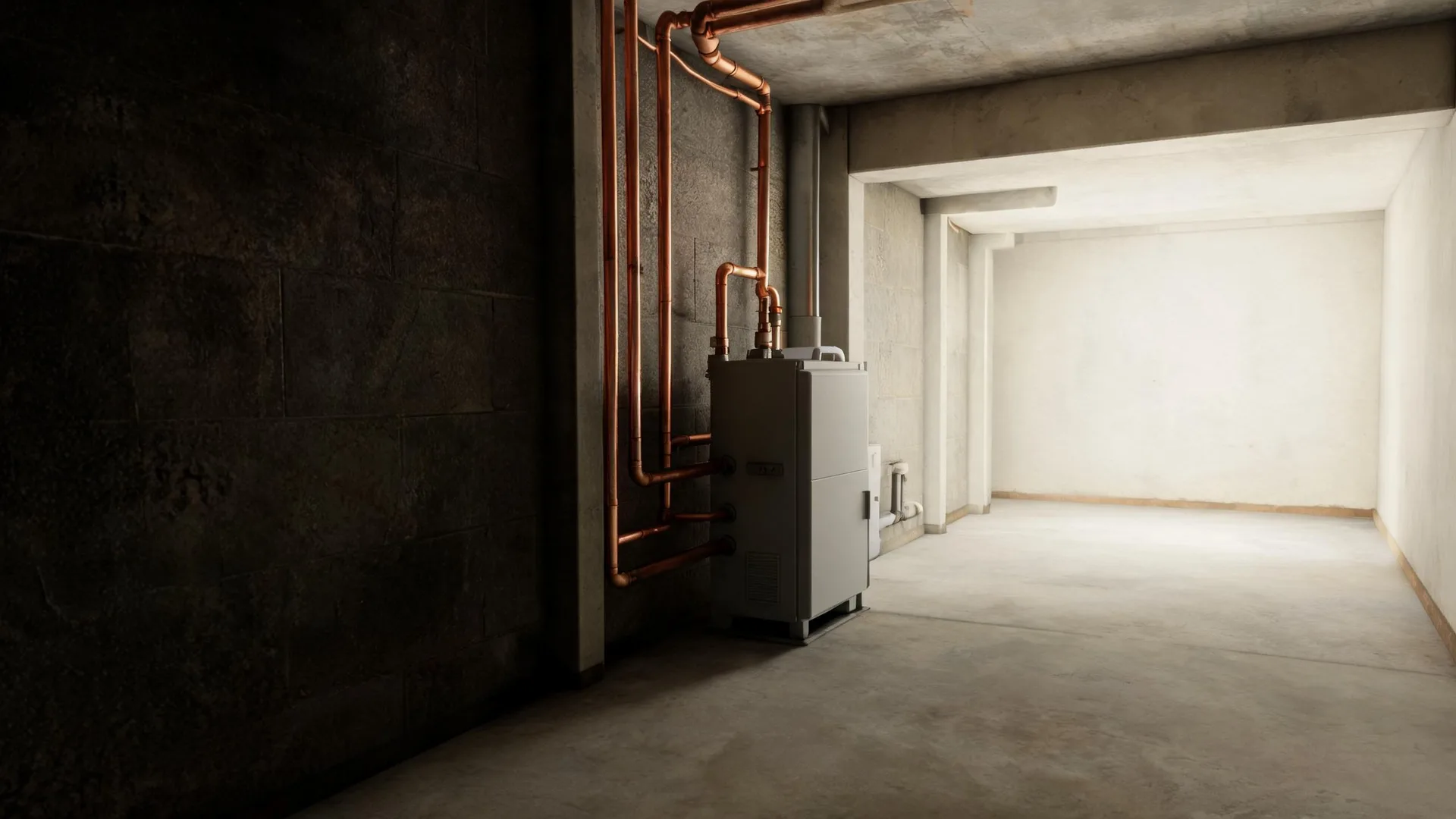
Sizing a boiler for a Stanton County home asks a contractor to work from local heat load, not catalog defaults. Homes in Stanton County, NE run heat about eight months a year, from October through May. The burner and ignition system cycle through that entire stretch without a meaningful break, and undersized or loosely installed equipment accumulates wear on those components faster than the rating plate suggests. A contractor quoting the job here has to establish the actual heat loss through the envelope before settling on output capacity, because an undersized unit running long cycles against a genuine cold load degrades the heat exchanger in ways a generic install in a milder place would not.
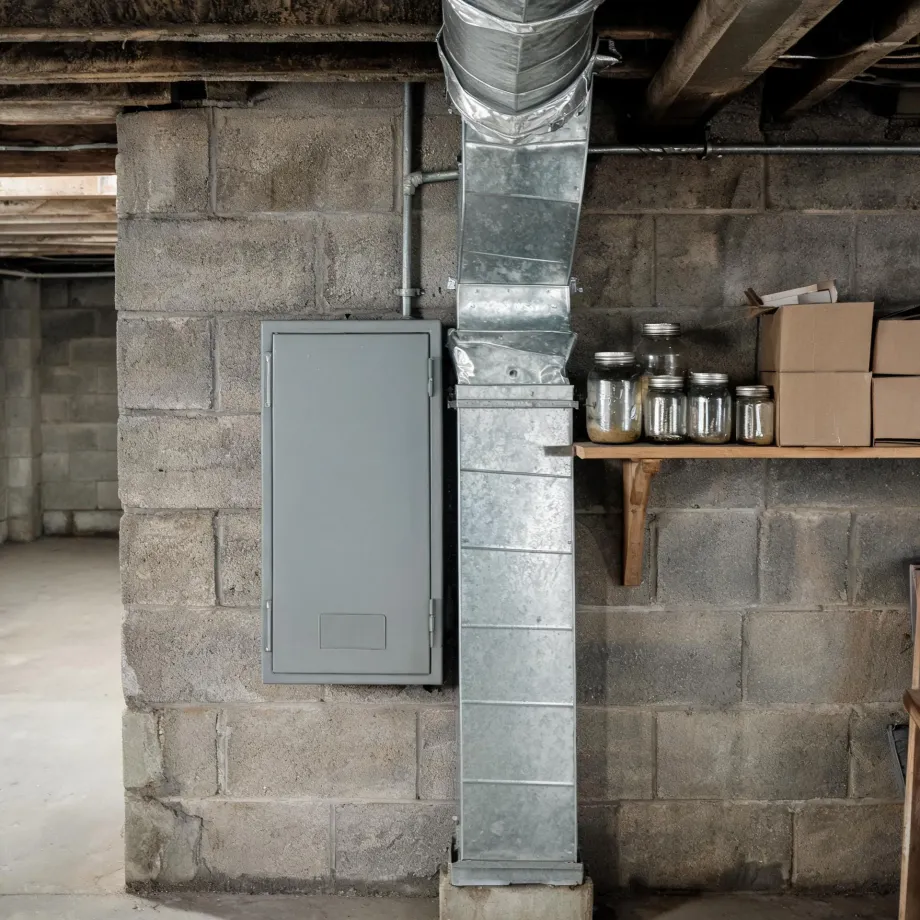
Existing pipework and distribution layout are what a boiler installation in this county's housing actually hinges on. Half the homes in Stanton County, Nebraska were built in 1967 or earlier (2020-2024 ACS 5-year). That means a contractor sizing and placing a new boiler is working inside a house whose heating infrastructure was put in for something that has long since been replaced, and the routing, the pipe sizing, and the connection points it left behind are what shape the job. New equipment fits inside those constraints or it requires the contractor to rework them before the install can close out.
What Gets Installed With a New Boiler
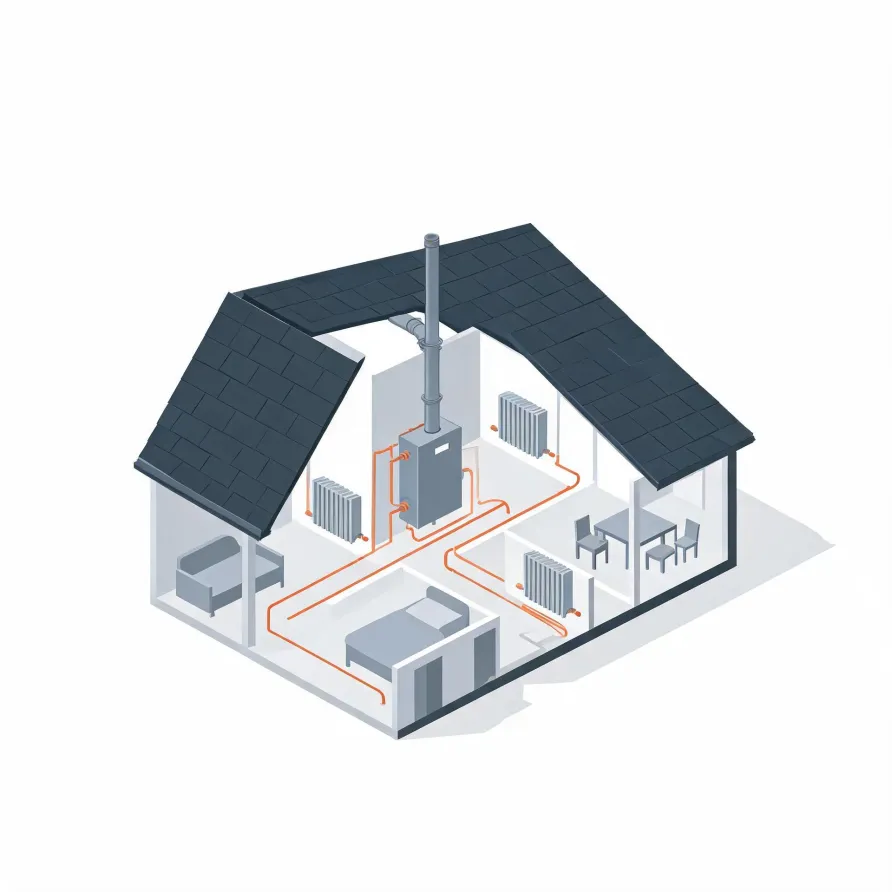
The boiler itself sits in a mechanical room, basement, or utility closet and is the heart of the system. A contractor mounts the unit to the floor or wall, connects it to a fuel supply, and ties it into the home's water lines. That box is what produces the heat that moves through the rest of the house.
Radiators or radiant floor tubing carry the heated water into living spaces, each positioned to warm a specific room or zone. A circulator pump moves water through those lines, and an expansion tank sits close to the boiler to absorb pressure changes as the water heats and cools. A contractor also sets a thermostat or zone controls so each part of the house can be managed independently.
The drawing shows a typical boiler system layout, and a licensed contractor determines exactly what applies to your home.
Find a contractor in Stanton CountyStanton County, by the numbers
92 severe weather events were recorded in Stanton County, Nebraska between 2015 and 2024.
NOAA National Centers for Environmental Information, Storm Events Database, bulk CSV export, events 2015-01-01 through 2024-12-31.Half the homes in Stanton County, Nebraska were built in 1967 or earlier (2020-2024 ACS 5-year).
U.S. Census Bureau, 2020-2024 American Community Survey 5-Year EstimatesStanton County, Nebraska holds 2,483 housing units (2020-2024 ACS 5-year).
U.S. Census Bureau, 2020-2024 American Community Survey 5-Year EstimatesOwners occupy 78.3% of the occupied homes in Stanton County, Nebraska (2020-2024 ACS 5-year).
U.S. Census Bureau, 2020-2024 American Community Survey 5-Year EstimatesBoiler Installation Rules for Stanton County, Nebraska1 sourced standards and codes
Licensing and Legal Requirements in Stanton County, Nebraska
Nebraska requires registration rather than a licence: a contractor must be registered with the Department of Labor before performing any construction work, though anyone earning less than five thousand dollars a year from construction services is not a contractor under the Act at all.
Severe Weather Events in Stanton County
Nebraska weather puts real demands on heating equipment, and those demands are not the same in every part of the state. A boiler sized and installed for local conditions holds up better over time, which is why weather history in Stanton County belongs in a conversation about installation.
92 severe weather events, 2015–2024. Source: NOAA National Centers for Environmental Information, Storm Events Database.