Boiler pilot light keeps going out in Nebraska

Step 1 of 3: Equipment

Why does my boiler's pilot light keep going out?

Nebraska winters put a boiler through months of steady work, and a pilot that won't stay lit usually shows up right when you need the heat most. You've checked it, relit it, and it's gone out again, maybe more than once. That's worth tracking down now, because a pilot that keeps failing is telling you something specific about the boiler, not just being temperamental.

Usually a dirty or failing thermocouple

Most of the time it's the thermocouple, the small part that sits in the pilot flame and tells the gas valve the flame is lit. When it gets coated with soot or starts to wear out, it stops sending that signal fast enough, and the valve shuts the gas off to be safe. A draft blowing across the pilot or a clogged pilot orifice can cause the same thing. With a Nebraska boiler running hard from October through April, the pilot assembly gets a lot of hours on it, so wear that might take years to show up elsewhere shows up here first. If it keeps happening after you relight it, the part is telling you it's done, not just dirty.
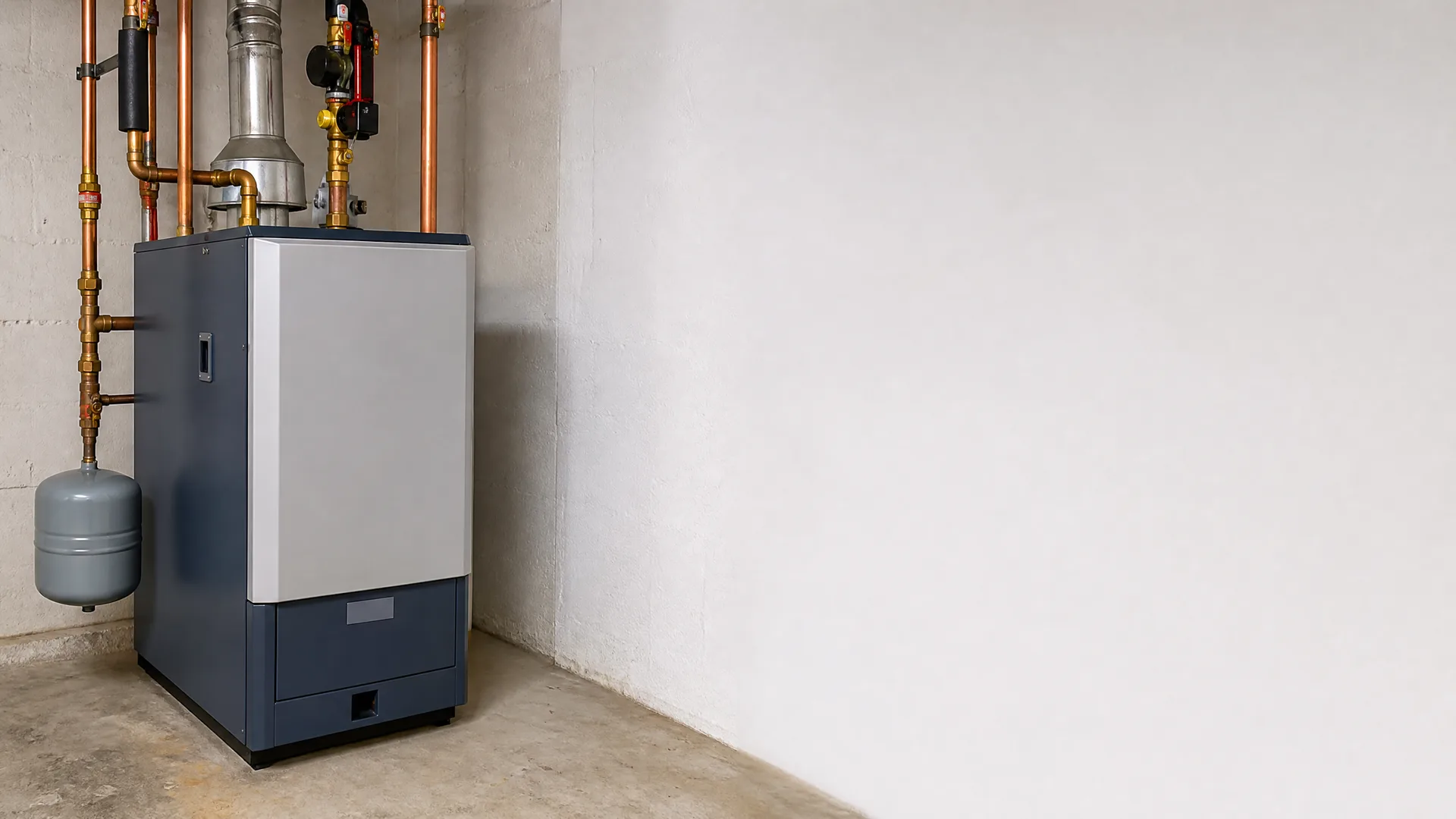
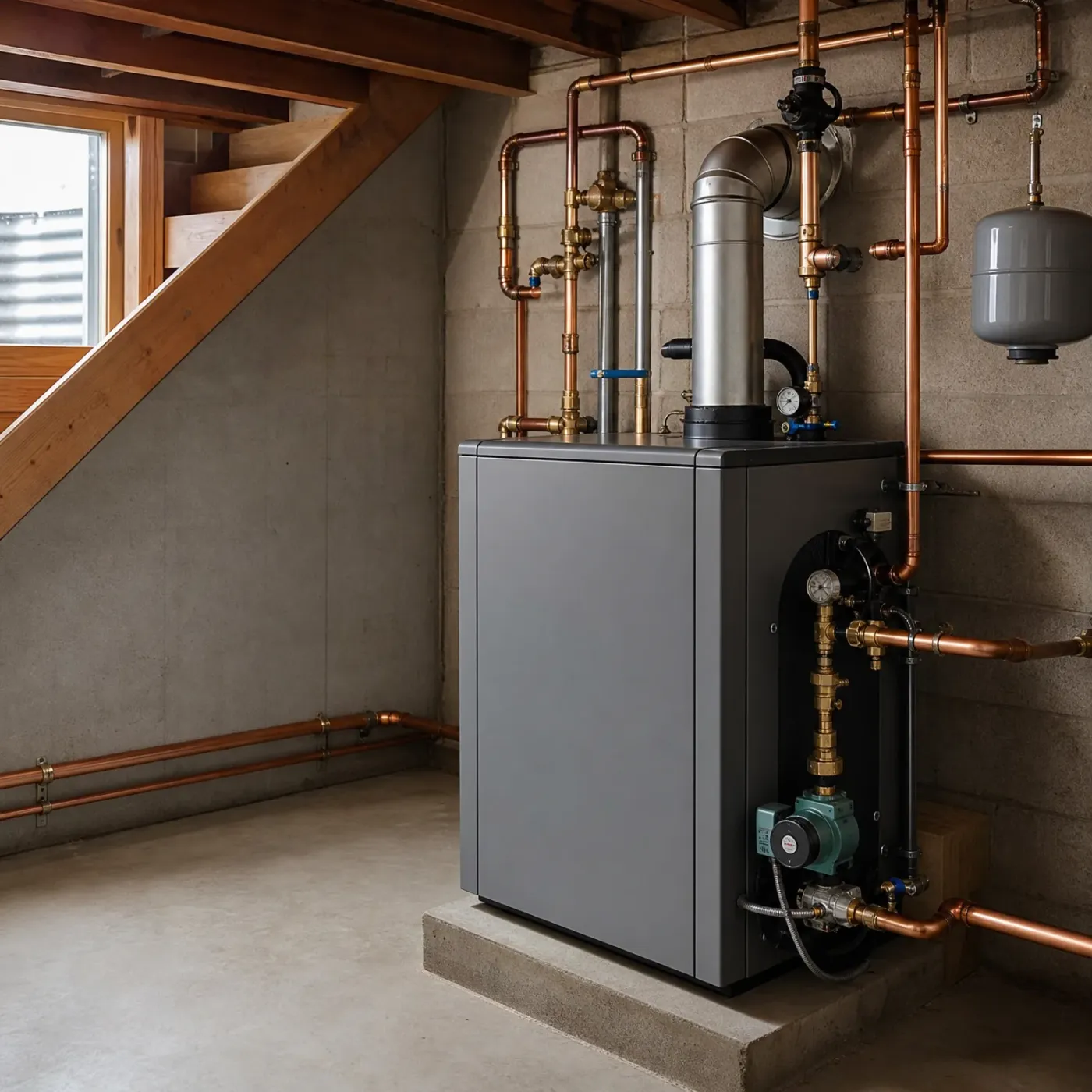
A gray and dark blue floor-standing boiler with copper pipes, a flue, and a small expansion tank stands in a basement corner with painted walls and a concrete floor.

What actually keeps a pilot lit

A standing pilot stays lit because the thermocouple sits in the flame and sends a small signal telling the gas valve to stay open. Let the flame drift off that rod, even a little, and the valve reads it as no flame and shuts the gas off. That's the pilot going out, not a draft blowing it out. Dust on the rod, a bent bracket, or a thermocouple that's worn out after years of heat all cause the same result.
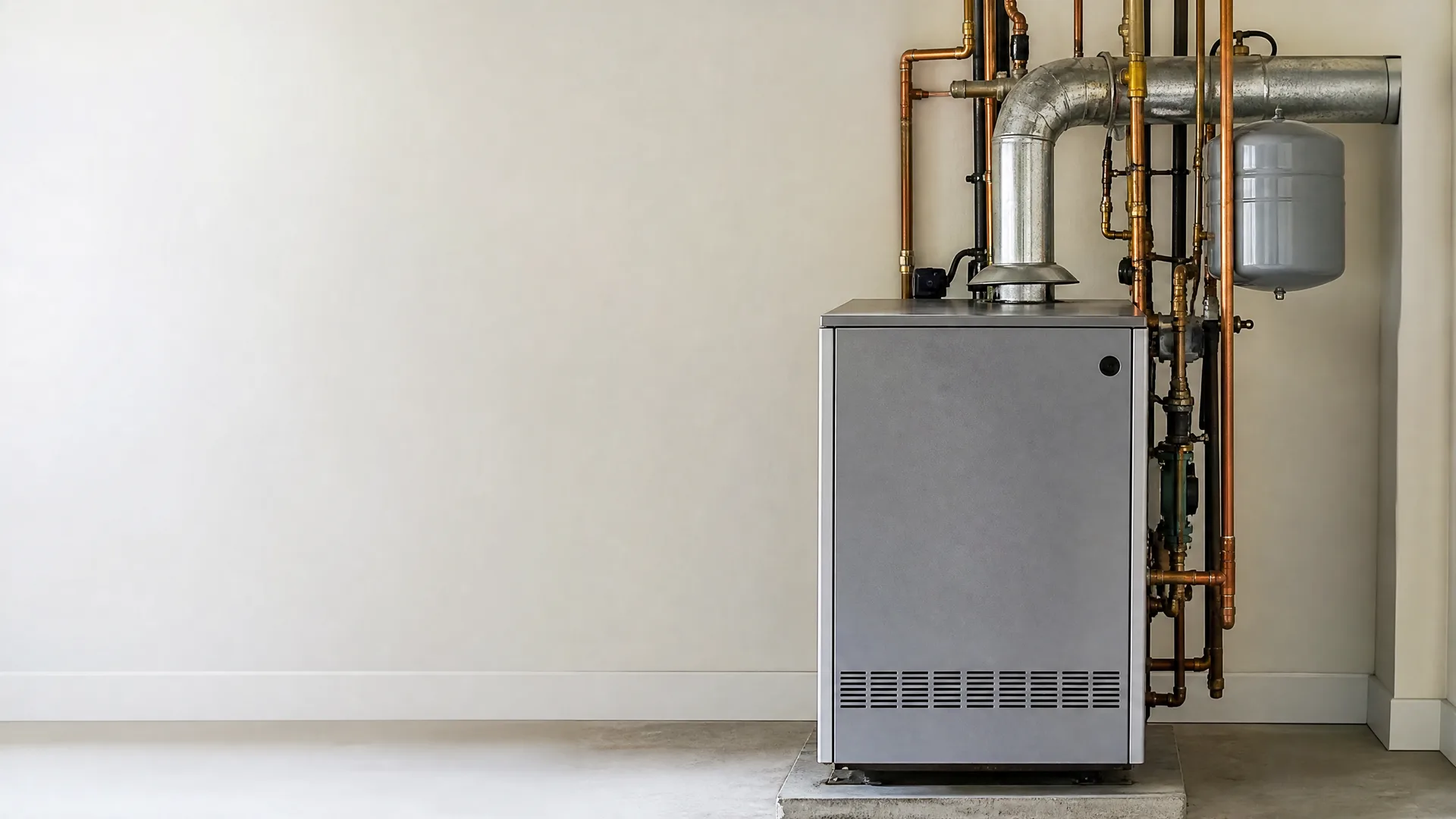
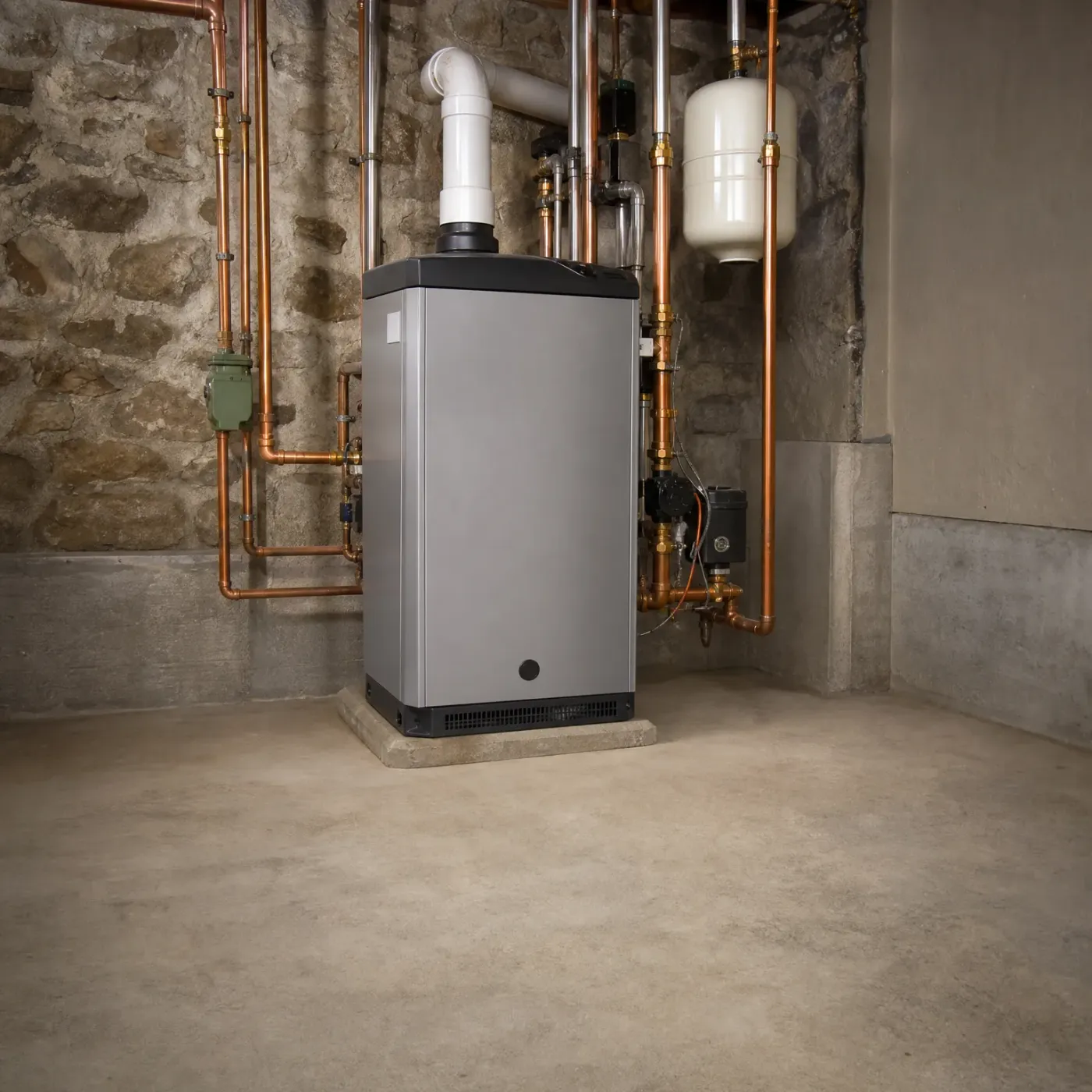
A grey floor-standing boiler with a vented front panel stands against a plain light wall, connected to copper and galvanised pipework, a metal flue, and a cylindrical expansion vessel above.

Why this shows up now

A boiler that sat unused since spring gets asked to run for hours at a stretch once the cold sets in here. That steady cycling puts more wear on a weak thermocouple or a dirty pilot assembly than it saw all summer. If the pilot held fine in warmer months and started failing once the heat kicked on for real, that timing points to a part worn down, not a one-time fluke with the gas or the weather.
Thermocouple Issue or Draft and Gas Problem

Thermocouple problem

  • The rod sits in the flame, and if soot or a buildup coats its tip, it stops reading the flame correctly even though the pilot is burning fine.
  • A thermocouple that's loosened from its bracket can drift just far enough out of the flame to lose contact, and the valve shuts the gas off.
  • This part wears out over years of heating cycles, so a boiler that's run for several winters is more likely to need one replaced than a newer unit.
  • Relighting the pilot over and over without fixing the rod itself just means it goes out again, often within days.
  • A contractor can test the thermocouple's output directly and tell you whether it's reading low before it fails outright.

Draft or gas supply problem

  • Wind pushing down a nearby vent or flue can blow the pilot flame sideways off the thermocouple, especially on a gusty Nebraska day.
  • A dirty or partly blocked pilot orifice starves the flame of gas, so it burns small and weak instead of holding steady.
  • Low gas pressure from the supply line can starve the pilot the same way low water pressure starves a faucet, even though the main burner seems to work.
  • If the pilot goes out only on windy days or only when the furnace or another gas appliance kicks on, the cause is more likely airflow or supply than the thermocouple.
  • A contractor who checks gas pressure and the flue draft can rule out whether the problem is upstream of the pilot assembly itself.
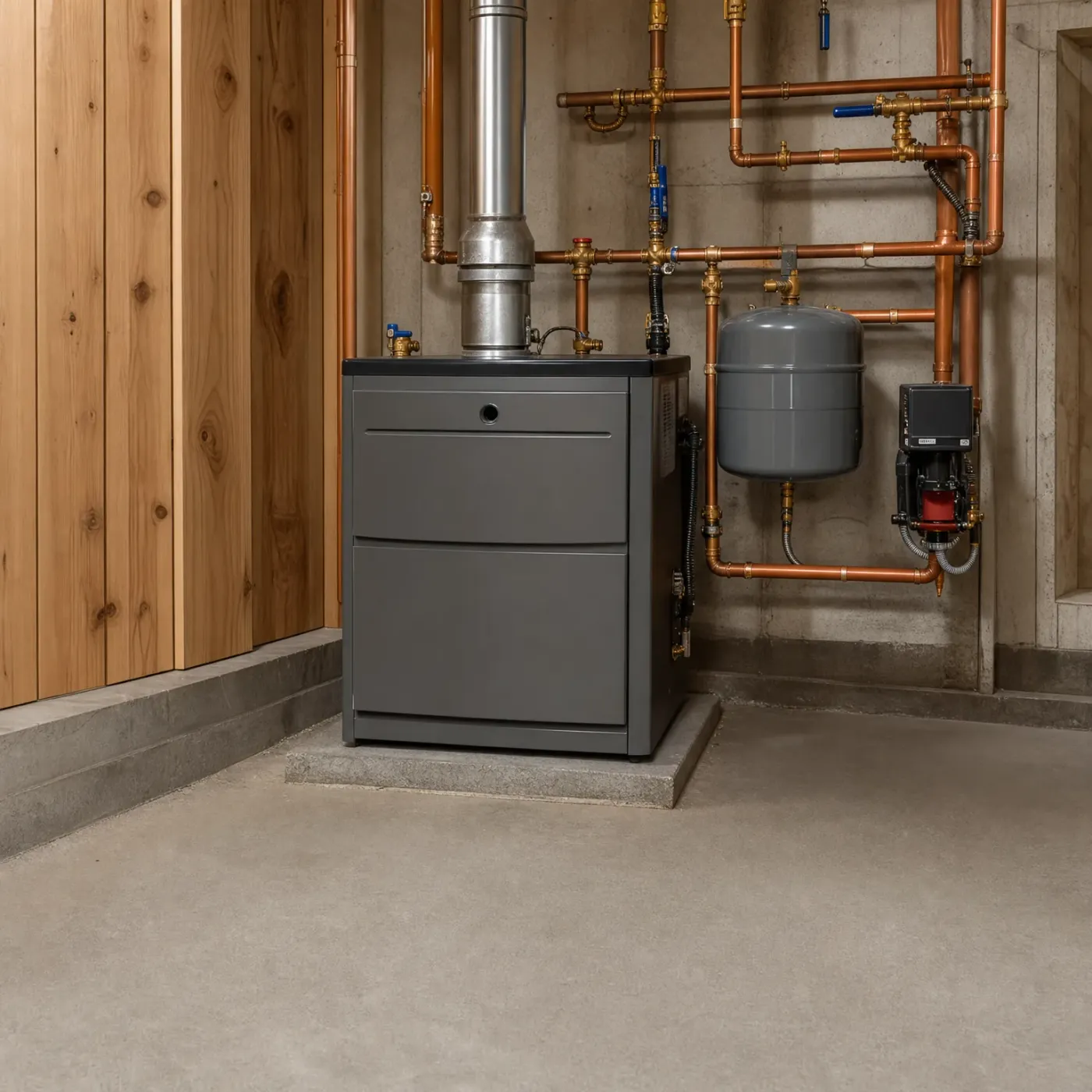
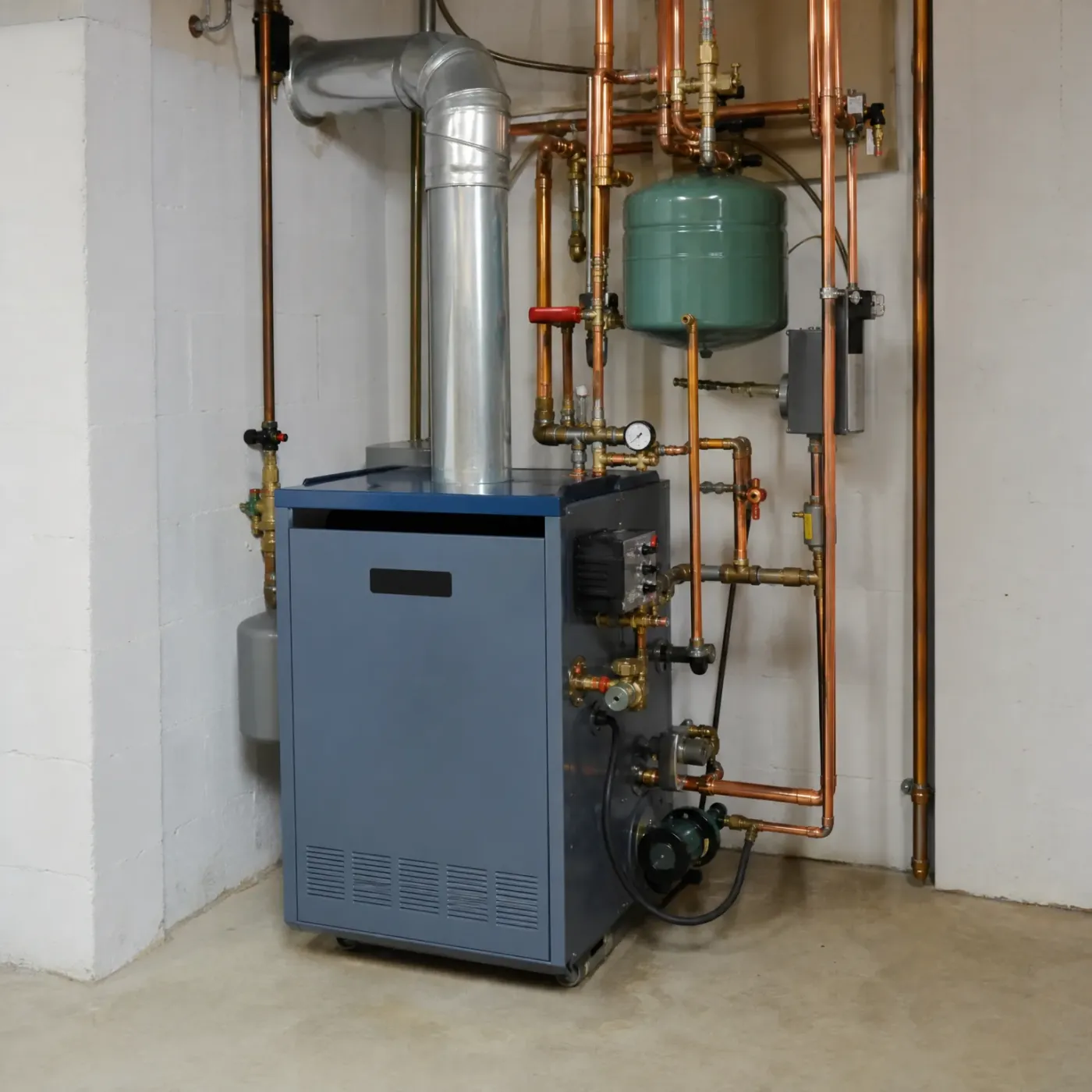
A blue-gray residential boiler in a basement corner, connected to copper piping, a green expansion tank, a circulator pump, gauges, and a metal flue pipe against painted block walls.

A pilot that's doing its job

The flame burns steady and blue, the thermocouple sits right in it, and the gas valve holds open the way it should. Pressure stays where the gauge says it should. Nothing here is asking for attention yet.
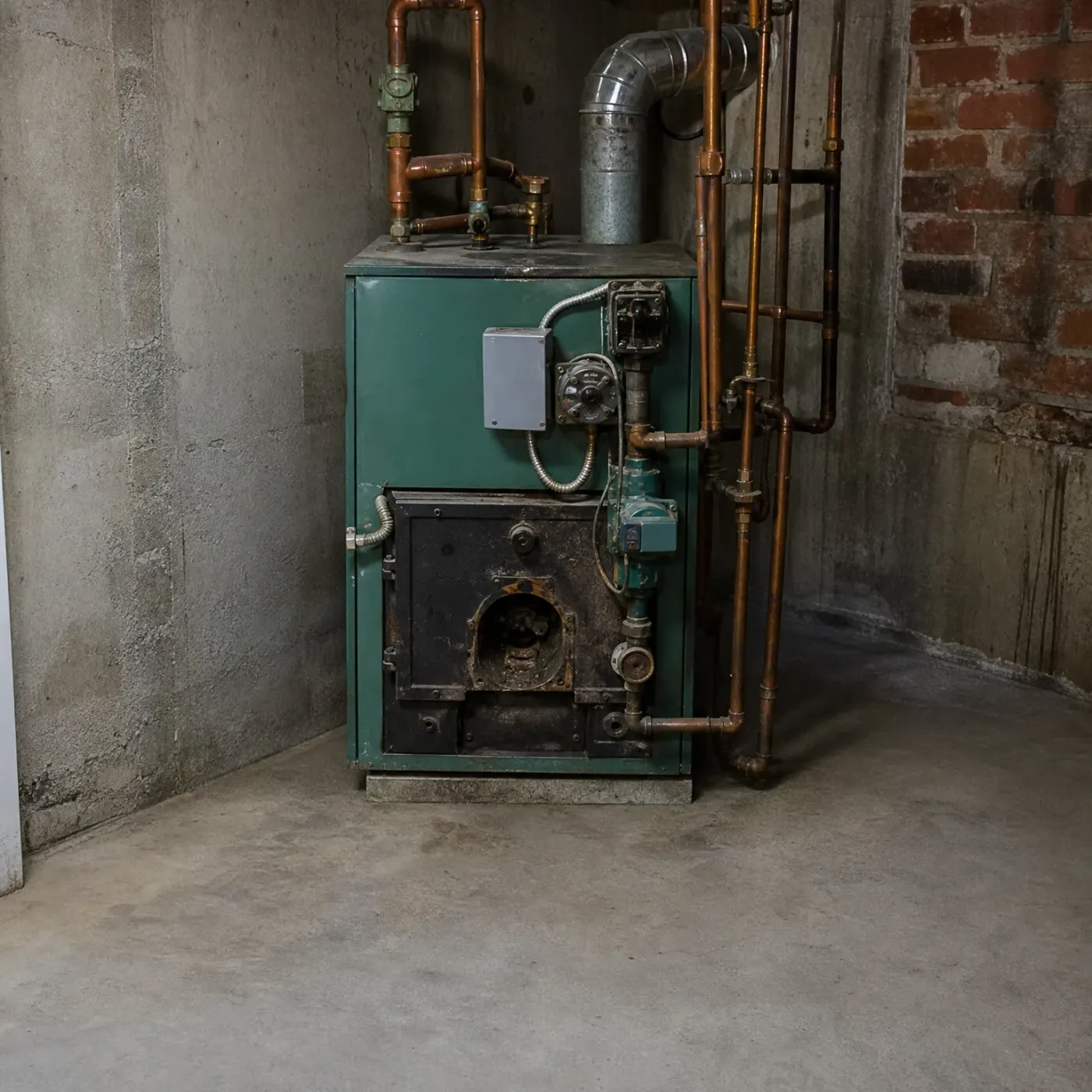
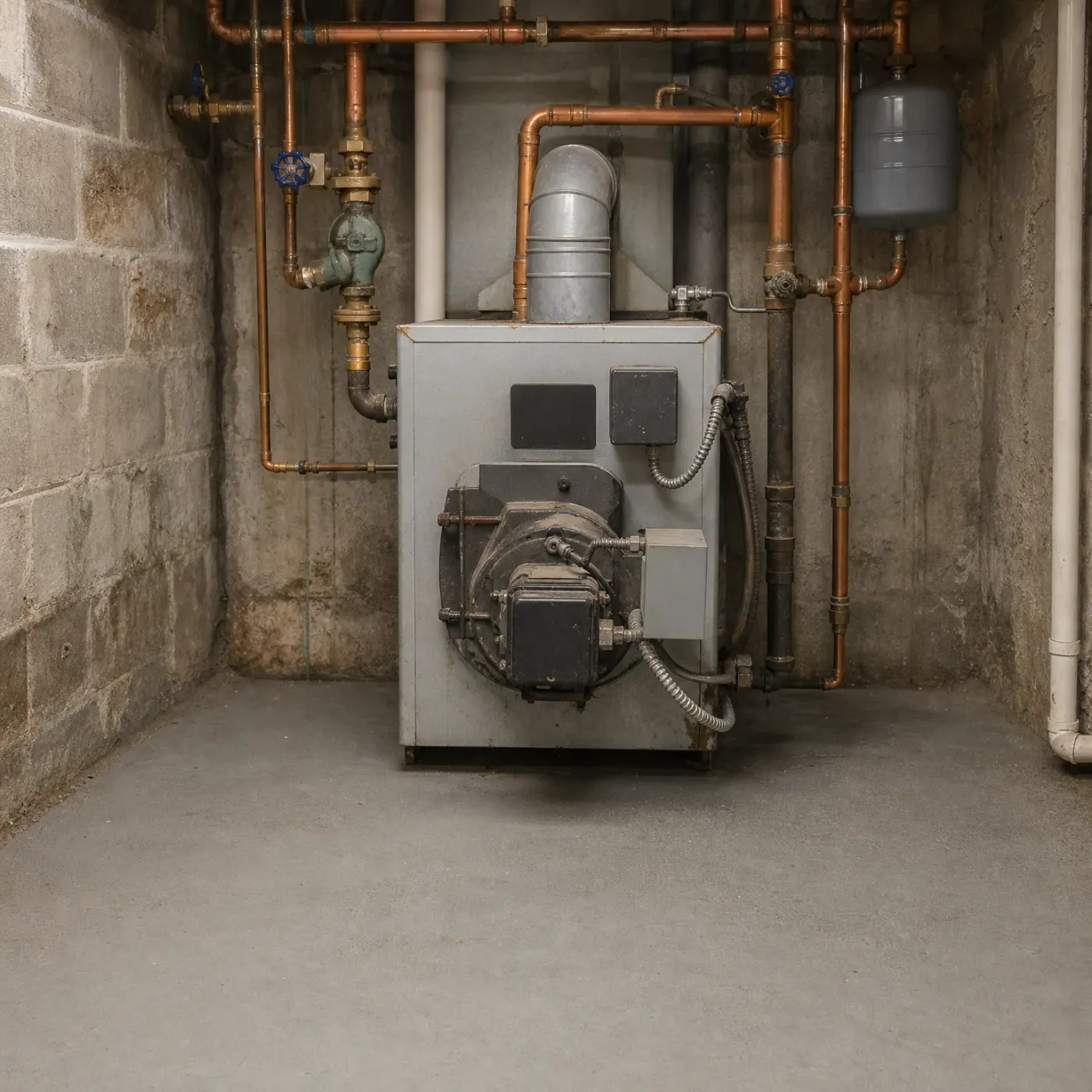
A green cast-iron boiler with a soot-stained front door, copper piping and a metal flue, standing on a concrete floor in a basement corner with concrete and brick walls.

A boiler past its good years

Corrosion has eaten into the firebox door, and that kind of damage doesn't come from one bad week. A pilot that keeps going out on a unit this far gone may be the smaller problem next to the one underneath it.


A woman in a gray turtleneck sweater stands near a window with snow outside, in a dimly lit living room with a lit Christmas tree, table lamp, sofa and bookshelf.
A woman in a cream knit sweater with her hair in a bun stands in a dimly lit living room looking out a large window at snow-covered evergreen trees, with a lamp, sofa, framed picture and lit candle behind her.
A woman in a thick gray knit sweater stands beside a window looking out at falling snow, with a dimly lit living room containing a lamp, sofa, string lights and a candle behind her.
A woman in a gray turtleneck sweater stands in a dimly lit room with a lit table lamp, framed picture and sofa, looking toward a window with snow outside.
A gray boiler on a concrete pad in a basement, connected to copper and black pipes with valves, gauges, a circulator pump, a flue, and a wall-mounted expansion tank, beside a wooden staircase.

A local pro for your boiler repair

Skip searching for a boiler pro and answer a few questions instead.

A local pro who knows boilers gets your details and gets in touch.

Skip the search

You're not committing to anything by asking.
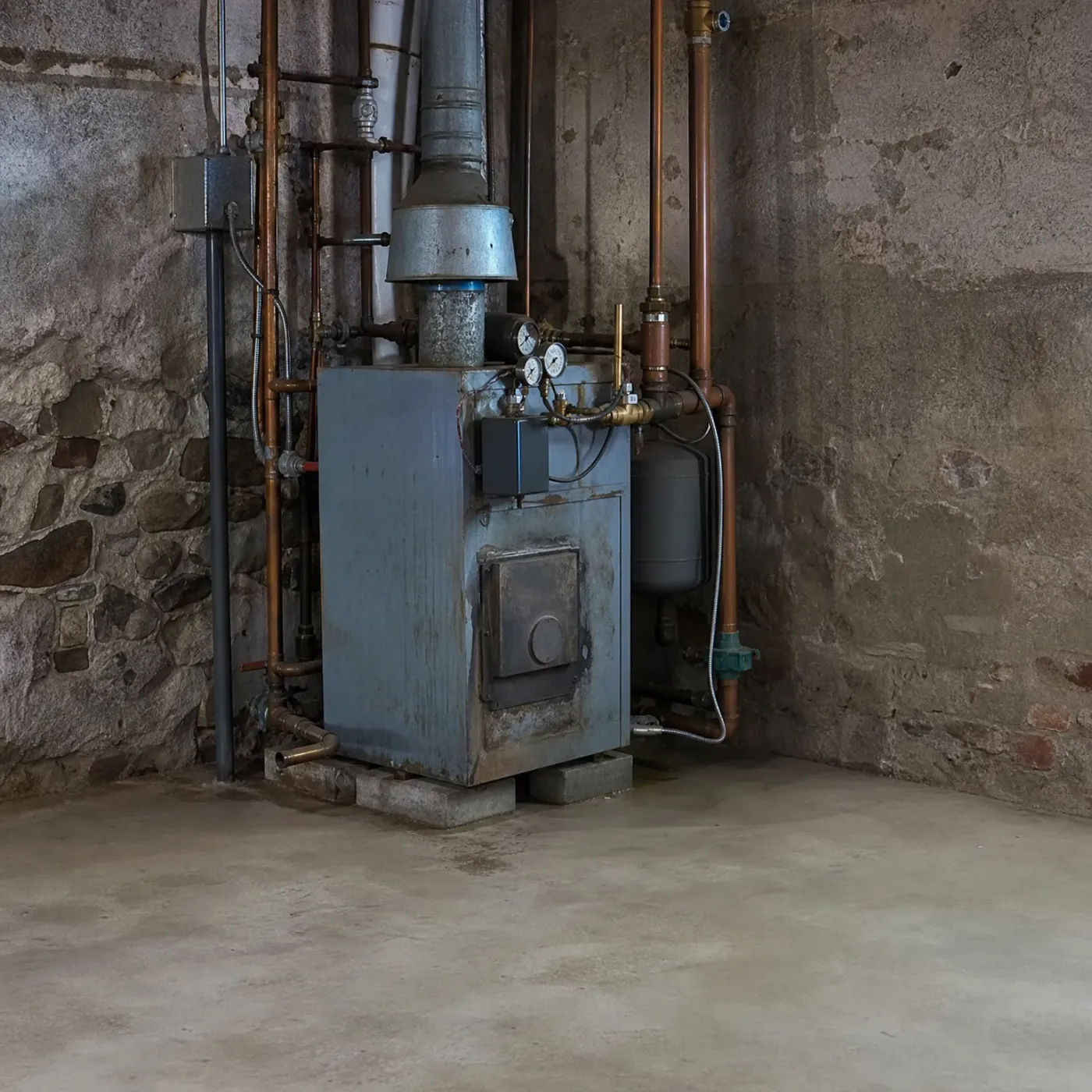
An older gray boiler with a metal flue, copper piping, pressure gauges and an expansion tank sits on concrete blocks in a basement corner with stone and concrete walls.
Before you get your boiler repair
A gray floor-standing boiler on a concrete pad in a basement, connected to copper pipes, a white expansion tank, and a white PVC vent against a stone and concrete wall.
After you get your boiler repair

One relit pilot, then another

A pilot that won't hold means no heat until someone gets it right. You can keep relighting it yourself, or get a contractor matched to your house who sorts out why it keeps dying.

Get a local pro

A boiler that just stays lit

Once the thermocouple or gas valve is sorted, the pilot holds through a Nebraska cold snap without you checking on it, and the heat stays on when you need it.

Get a local pro

What are you noticing with your boiler right now

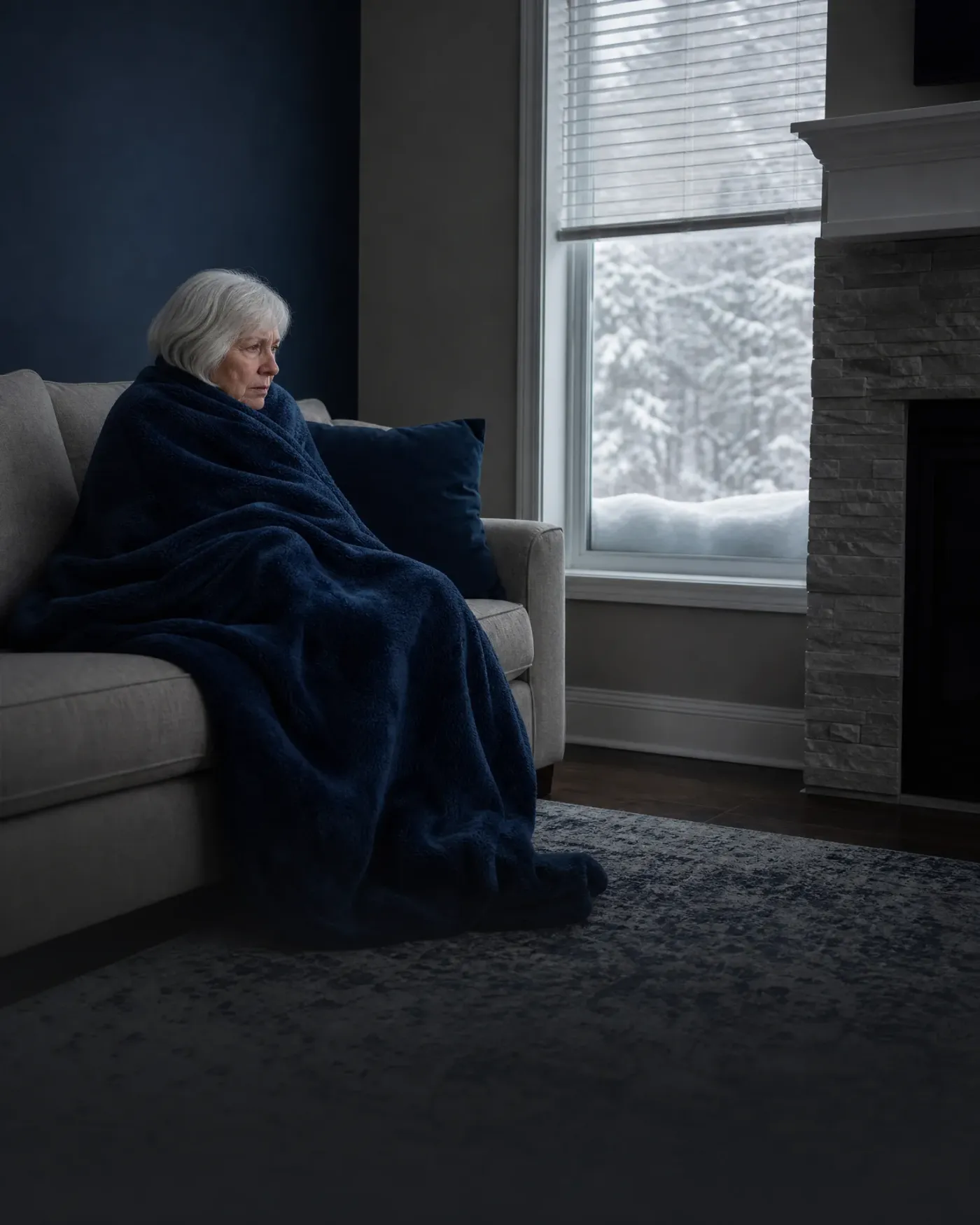
You go down to the basement and the pilot's out again, cold, with no flame and no click from the burner when the thermostat calls. Maybe you smell a little gas near the access panel before it clears. Maybe the house is running cooler than the thermostat says it should, and you notice it in the rooms farthest from the boiler first. If this has happened more than once or twice this winter, that's worth paying attention to. A boiler that won't hold a pilot isn't heating on the nights it matters, and relighting it yourself doesn't fix whatever keeps putting it out.
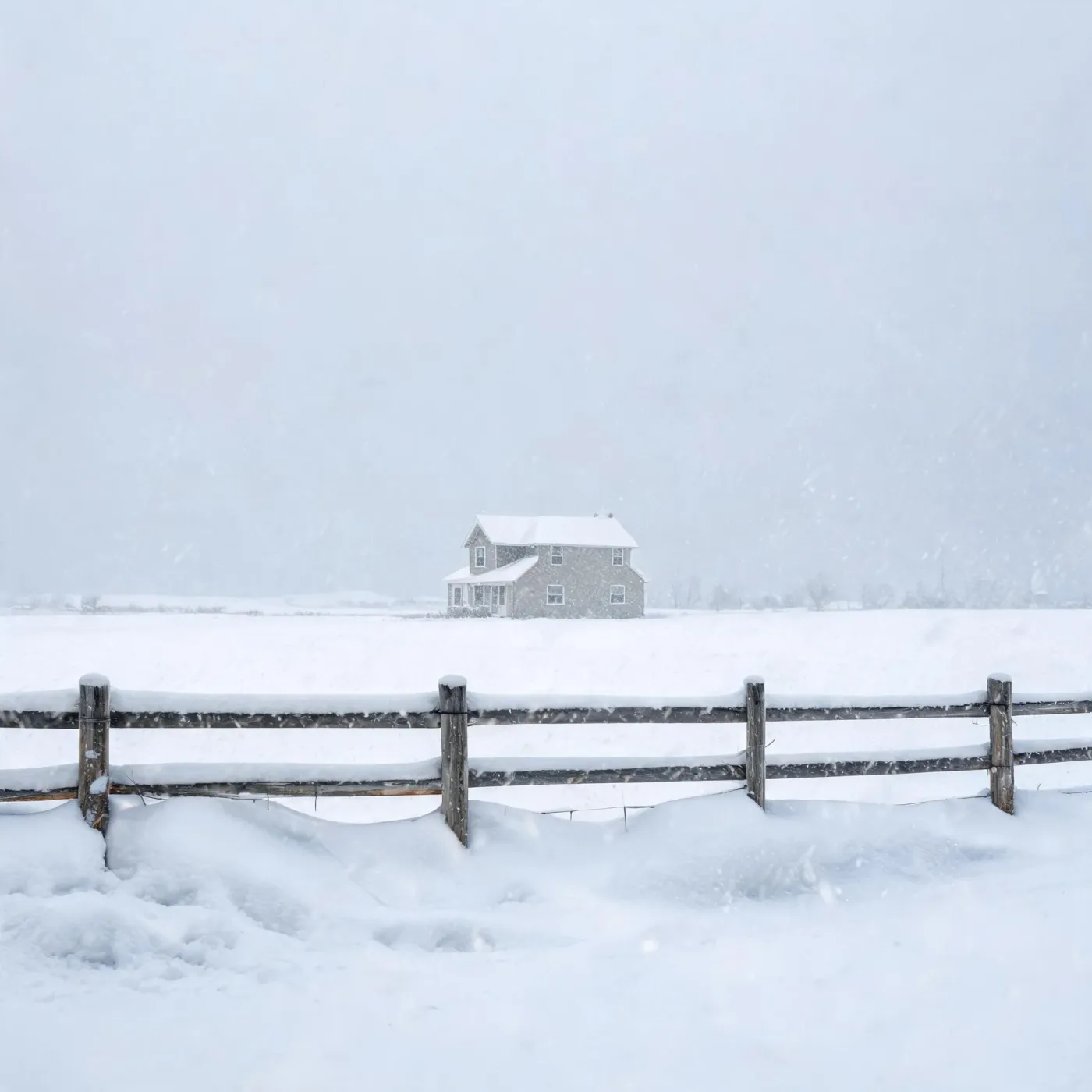
A two-story gray house with a snow-covered roof stands alone in a flat snow-covered field during falling snow, with a weathered wooden post-and-rail fence in the foreground.

Statewide, winter nights average 17°F, according to NOAA climate data, and a boiler here can be firing most of the night to keep up. That's a lot of hours for a pilot to hold steady. Cold also pulls in drafts through basement vents and cracked door seals, and a draft across the pilot is one of the plainer ways to blow a flame off the thermocouple. If yours keeps going out, pay attention to when it happens. Going out on the coldest nights, when the burner's cycling most, points to something different than a pilot that dies the same way regardless of outdoor temperature.

NOAA nClimDiv 1991-2020 county normals weighted by homes
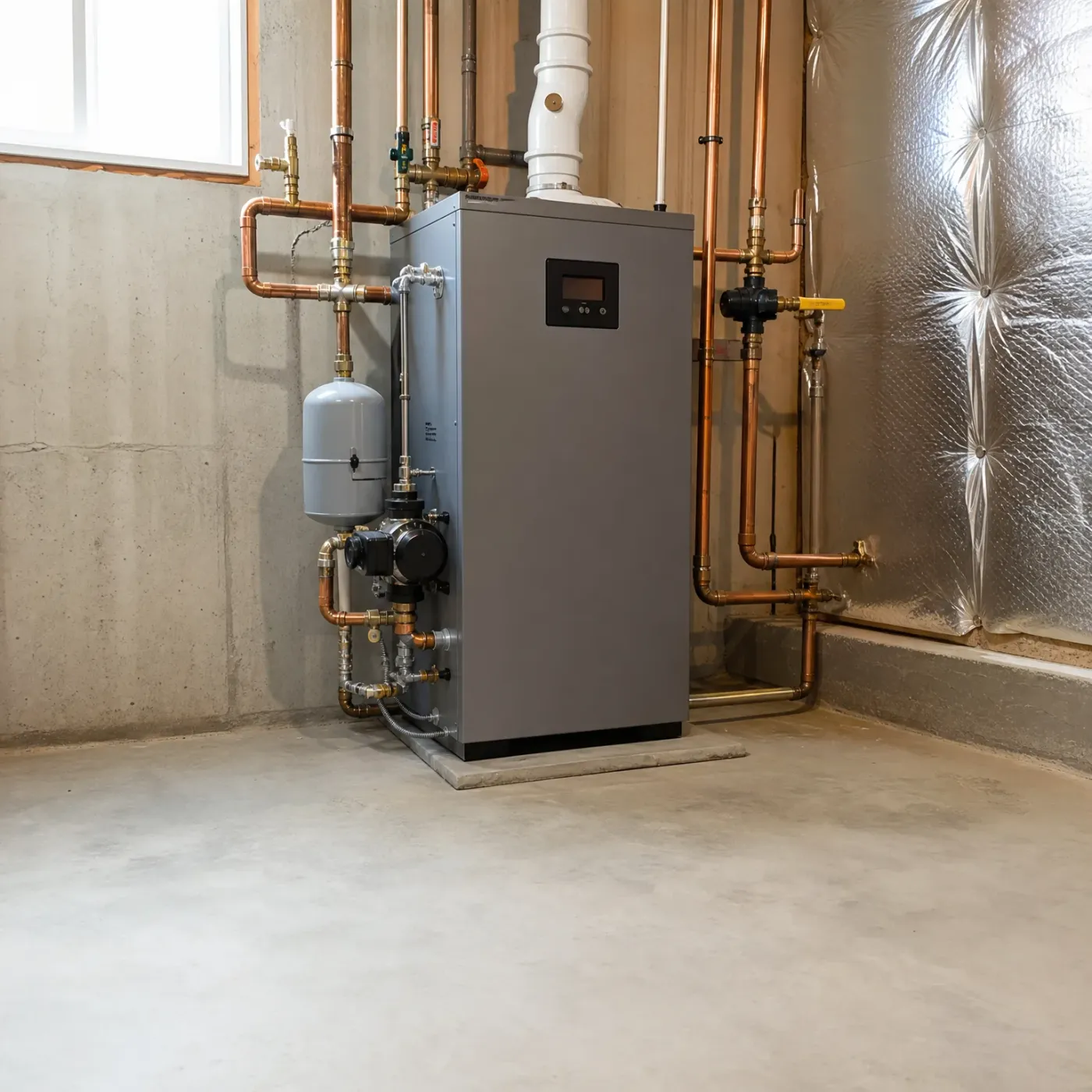
A gray boiler unit with a digital display stands on a concrete basement floor, connected to copper piping, a gas valve, a circulator pump and an expansion tank, beside a concrete wall and foil-faced insulation.
A boiler like this is doing its job: clean copper lines, a modern sealed flue, and a pilot assembly that doesn't have to fight drafts to stay lit.
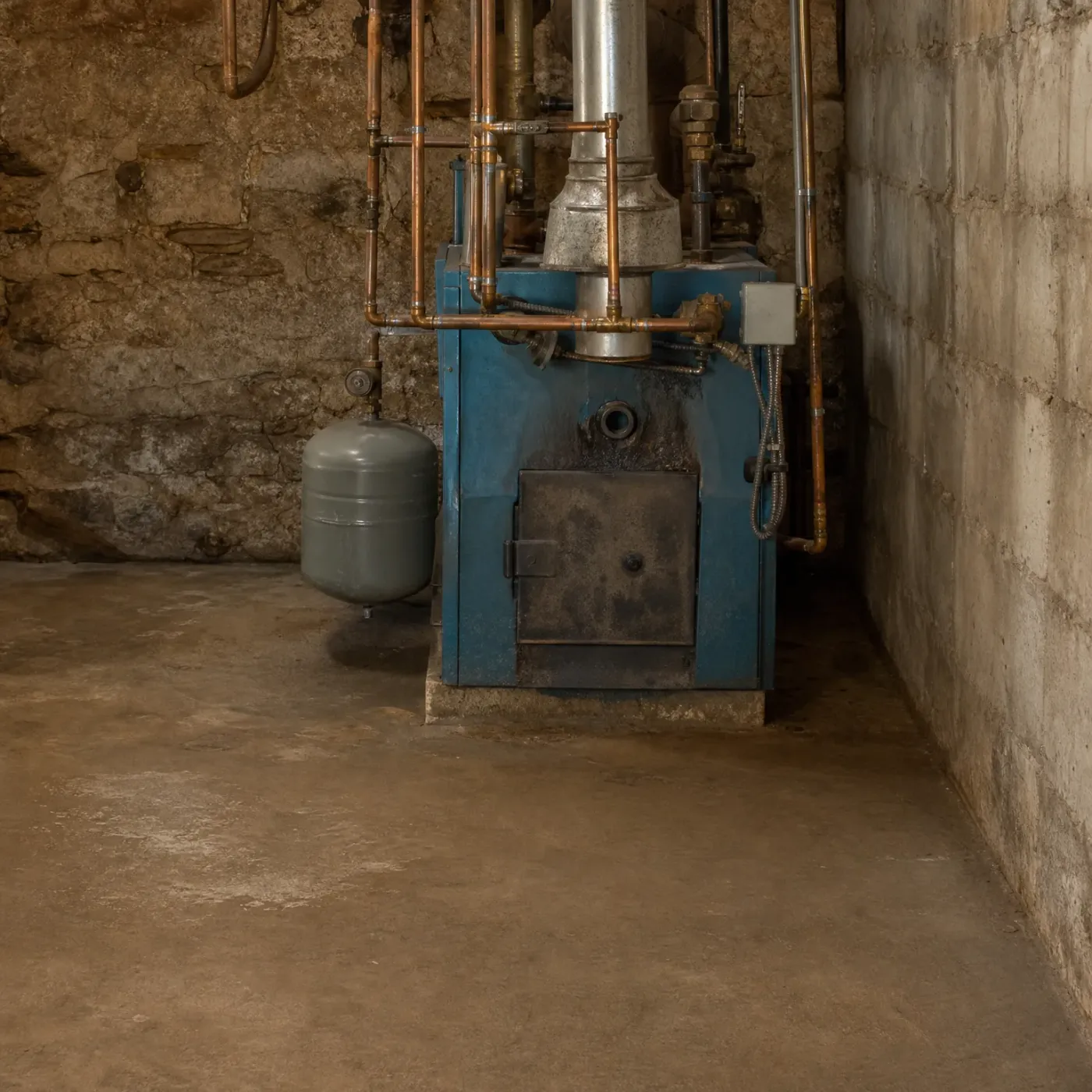
A blue cast-iron boiler with a metal flue pipe and copper piping stands against a stone and concrete block basement wall beside a gray expansion tank on a bare concrete floor.
This one tells a different story: a corroded access door and an older cast-iron body are signs a pilot problem may come back no matter how many times you relight it.

Relighting a dead pilot tells you something depending on how it goes. If it catches and runs, the problem was probably a draft or a low flame that blew itself out. If it dies again within a minute or two, that's the thermocouple not reading the flame right, not the gas. The valve won't hold the pilot open on flame alone. It waits for a millivolt signal from the thermocouple, and when that signal drops below roughly 25 millivolts, the valve reads it as no flame even if you can see one burning. That reading can slip for a couple of reasons that have nothing to do with how the pilot looked last time you checked it. Soot collects on the rod slowly, so a pilot that held fine for months can start failing now with no other change. A pilot orifice can also narrow with dust or lint, which weakens the flame just enough that it never throws real heat onto the thermocouple tip. And if you're relighting it, give the gas knob the full 30 to 90 seconds the valve wants before you let go, or it'll look like a failure that isn't one yet.

How the pilot actually fails

  • A pilot that goes out from a draft usually relights fine and holds, while one going out from a bad thermocouple will die again within a minute or two.
  • Gas valves on most boilers have a safety hold time of around 30 to 90 seconds before they'll accept a new pilot flame, so relighting too fast can look like a failure when it isn't.
  • A thermocouple reads flame through millivolts, and anything under about 25 millivolts usually won't keep the valve open no matter how good the flame looks.
  • Soot building up on the thermocouple tip happens gradually, so a pilot that held fine last month can start failing now without anything else changing.
  • A pilot orifice partly blocked by dust or lint starves the flame down to a point where it still lights but can't throw enough heat onto the thermocouple.
  • If the pilot goes out the moment you let go of the gas knob, the thermocouple itself is almost always the part at fault, not the gas supply.
A bearded man in a plaid flannel shirt sits indoors looking out a window at snow-covered trees, with a steaming mug on the sill and wooden kitchen shelves behind him.
A smiling man in a dark blue T-shirt sits on a light gray sofa in a living room with a wooden shelf and window behind him, with a laptop edge visible in the foreground.
A gray boiler on a concrete pad in a basement, with a metal flue pipe and copper piping, brass valves, a gray expansion tank and a circulator pump mounted on the concrete wall beside wood paneling.

Boiler running right

This is a pilot that's holding steady. The flue runs straight up and out, the copper lines are tight, and nothing around the burner is fighting for air. A setup like this lets the pilot sit in its flame undisturbed, call after call, all winter.

A gray boiler with a flue pipe and burner unit stands against a concrete block basement wall, surrounded by copper and steel piping, valves, and a gray expansion tank, on a bare concrete floor.

Boiler in trouble

This is an older layout, cast iron under a block wall, with the flue and fittings showing their age. Drafts find their way in through gaps like this, and a pilot that gets even a little wind on it will drop out mid-cycle, right when your thermostat is calling for heat.

Winter nights average 17°F statewide

At 17°F overnight, your boiler is cycling on through most of the night to hold the house steady. Every one of those calls asks the pilot to hold its flame through a draft looking for a way in. A weak thermocouple signal that might pass on a milder night won't survive that many hours of work.

NOAA nClimDiv 1991-2020 county normals weighted by homes
A pilot that keeps going out almost always comes down to one of two things: the thermocouple isn't reading the flame right, or a draft is pulling the flame off it. Either one gets found by someone who can look at the burner, the flue, and the gas valve together instead of guessing from the symptom. On a night that's sitting at 17°F, that's not a thing to leave half-fixed. Instead of searching through contractors, calling a few, explaining the same relit-pilot story to each one, then sitting with quotes trying to guess who actually knows boilers, you get matched to a contractor suited to your house and they reach out to you. You stay the person who caught it early and dealt with it, not the one who waited through a cold basement and a dead pilot one more time. The flame itself still has to be checked, the rod still has to be set right, and that part takes a contractor's eyes. What you don't have to do anymore is find them.
A sunlit room corner with cream walls, white baseboard and window sill molding, a wood floor, and a dark wooden cabinet on the right holding a pale vase with leafy branches below a framed picture.
A round woven basket with a cream fringed throw draped over its rim sits in a corner on a wood floor, beside a dark wooden cabinet holding a stone vessel, with sunlight from a nearby window on the beige walls.
Interior corner of a room with a white-trimmed window and sill, beige walls, white baseboard molding, and a wood floor with sunlight falling across it; green foliage is blurred outside the window.
Interior corner of a room with cream walls, white baseboard molding, a window with a white sill showing blurred green foliage outside, and a wood plank floor lit by sunlight.
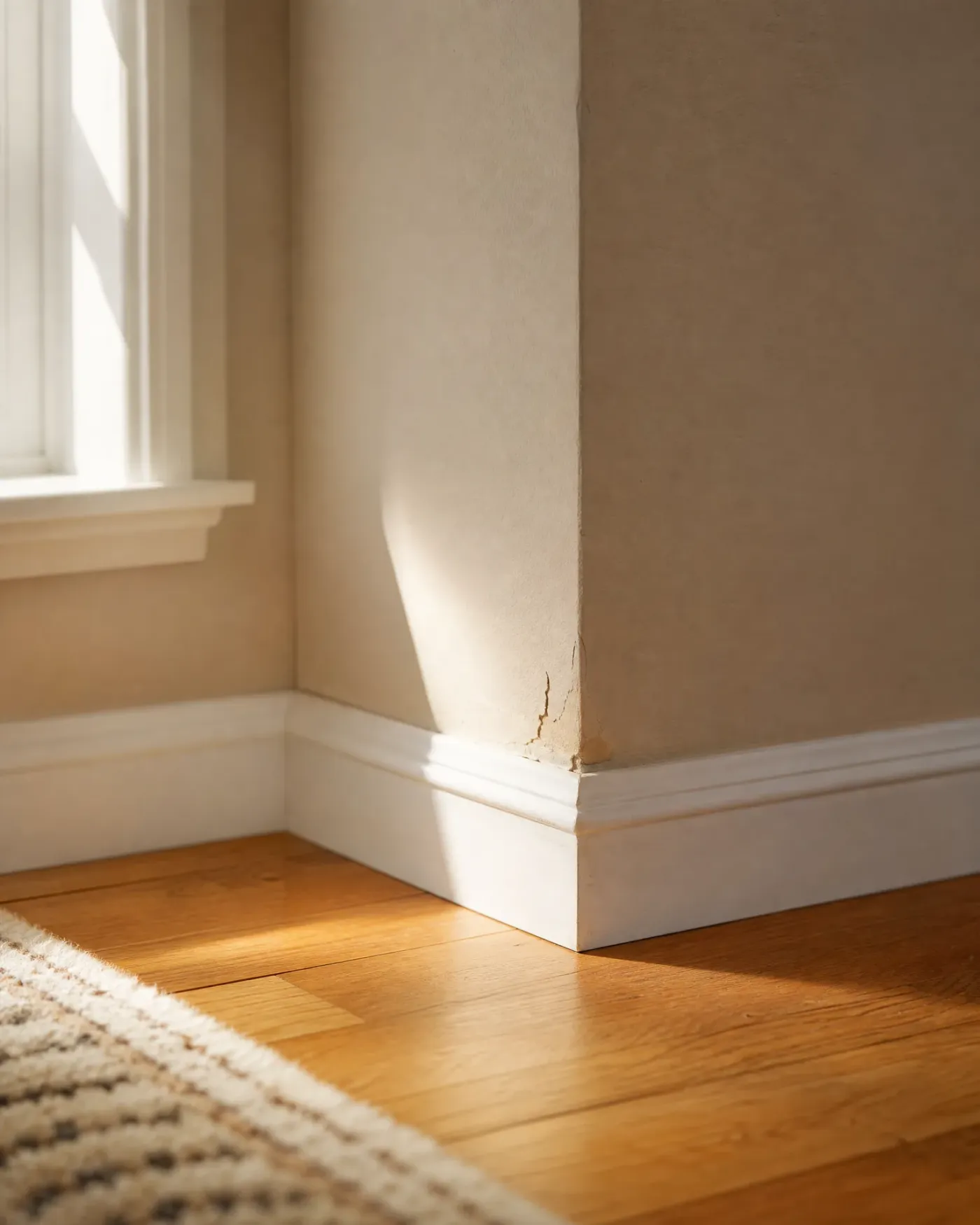
Sunlit interior corner showing a beige wall with a small crack above white baseboard molding, wood plank flooring, a patterned rug edge at lower left, and a window with sill at upper left.

A pro who works on boilers

Describe what your boiler is doing once, in one form.

Match me with a pro

No charge to send it. You decide if you hire them.