Tell us about the job
Takes about a minute. No obligation.
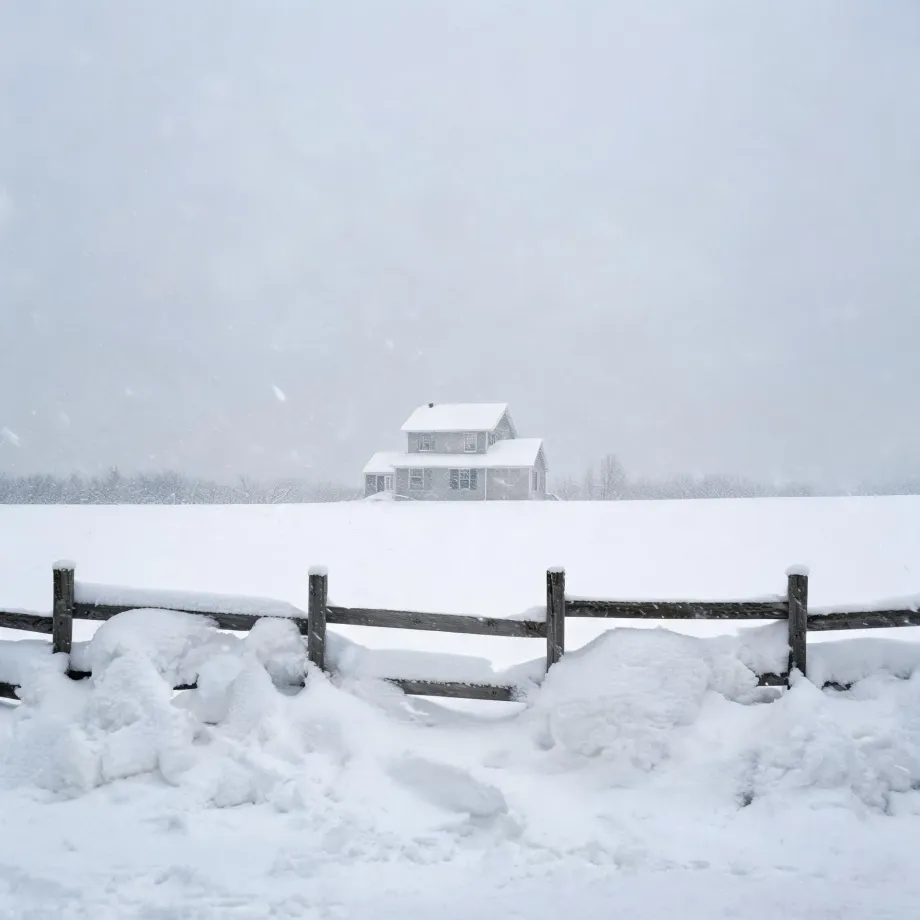
A boiler that has been cycling through cold nights since October has put real work through its burner, heat exchanger, and ignition components by the time May arrives. Homes in Boyd County, NE run heat about eight months a year, from October through May. Each of those cycles stresses the ignition system in particular, because it fires at the start of every heat demand and sits dormant through the summer. When a contractor opens a boiler for repair here, the ignition assembly and the heat exchanger surfaces are the first things they check, not because the call described them, but because the season's accumulated runtime makes them the likeliest source of the fault.
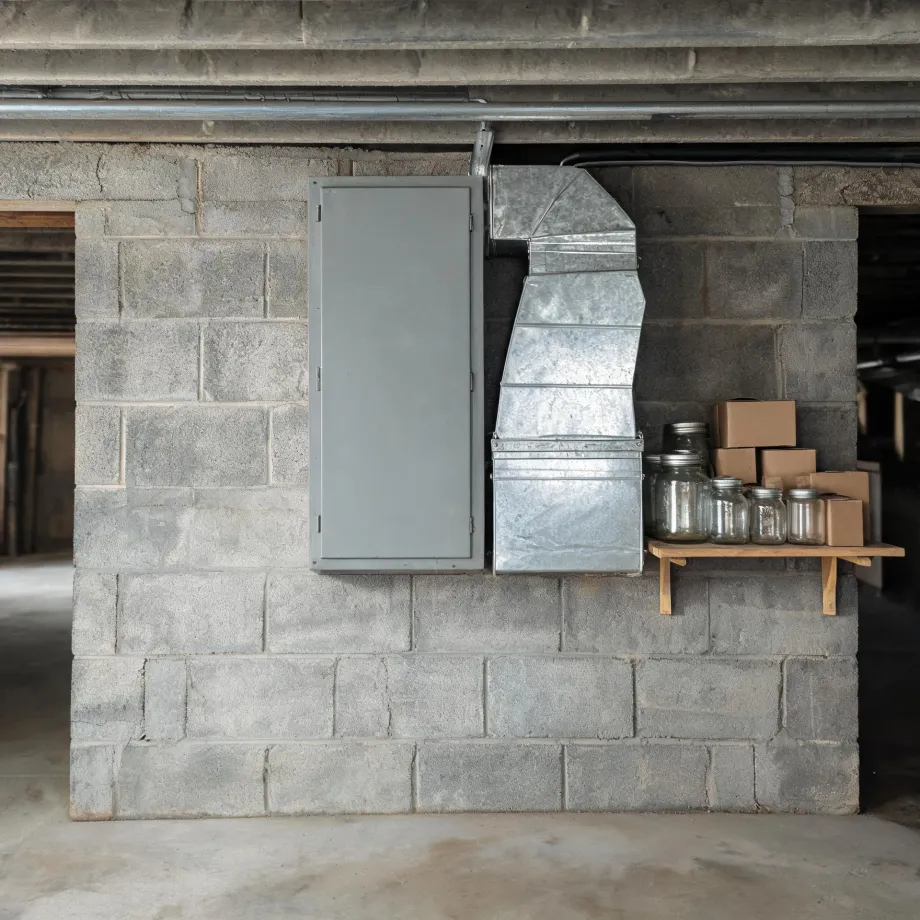
Boilers in houses this old have had time to accumulate failure modes a contractor cannot see until the unit is open: corroded heat exchangers, cracked sections, or valves whose replacement parts the current supply chain carries in shrinking quantities. Half the homes in Boyd County, Nebraska were built in 1953 or earlier (2020-2024 ACS 5-year). That gap between when these houses were built and when their current boilers were installed matters less than what the opened equipment turns out to be, because a heat exchanger that is cracked needs a part, and whether that part is still manufactured is what drives the repair cost. A contractor who has not opened the unit cannot tell you which it is.
The Parts of a Boiler a Contractor Checks First
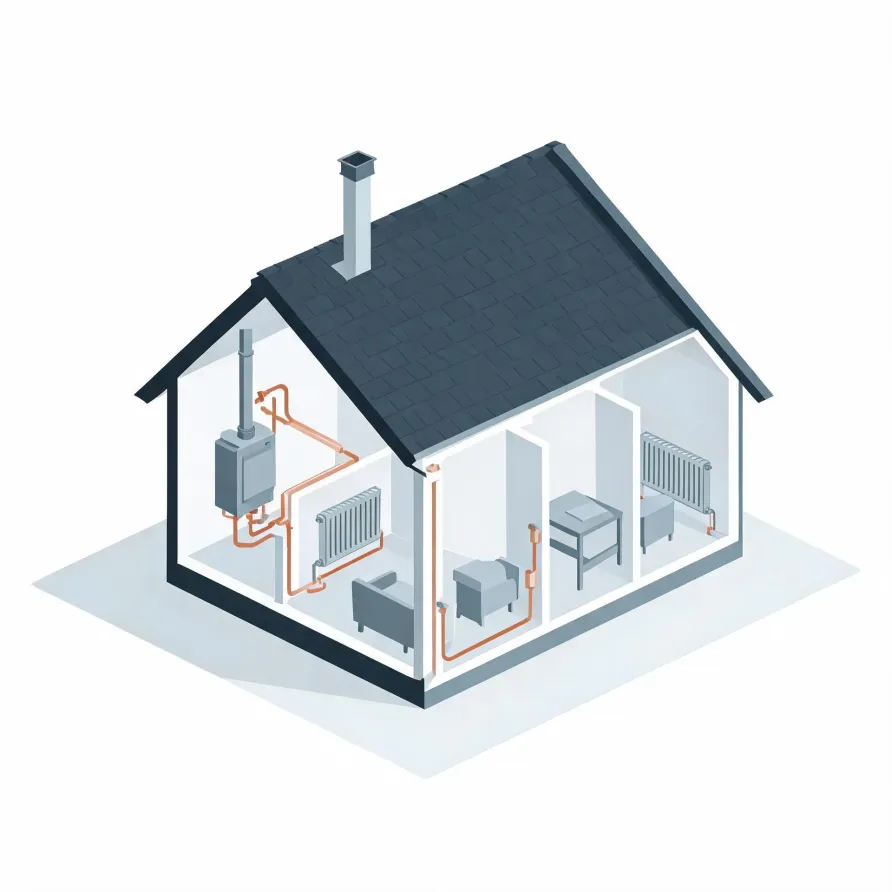
The boiler itself sits in a utility room, basement, or mechanical closet and is the piece a contractor goes to first. It heats water and pushes it out through the system. When it fails, you lose heat to part or all of the house. The burner, heat exchanger, and pressure relief valve are all inside or directly on the unit, and any one of them can be the source of trouble.
Radiators and baseboard units sit in the living spaces and receive hot water from the boiler through supply pipes that run through floors and walls. The circulator pump moves that water through the loop. When a room stays cold or a pipe makes noise, a contractor traces the problem back through these pieces to find where flow has stopped or pressure has dropped.
The drawing shows a typical boiler layout, and a licensed contractor determines which parts apply to your particular setup.
Find a contractor in Boyd CountyBoyd County by the numbers
65 severe weather events were recorded in Boyd County, Nebraska between 2015 and 2024.
NOAA National Centers for Environmental Information, Storm Events Database, bulk CSV export, events 2015-01-01 through 2024-12-31.Half the homes in Boyd County, Nebraska were built in 1953 or earlier (2020-2024 ACS 5-year).
U.S. Census Bureau, 2020-2024 American Community Survey 5-Year EstimatesBoyd County, Nebraska holds 1,203 housing units (2020-2024 ACS 5-year).
U.S. Census Bureau, 2020-2024 American Community Survey 5-Year EstimatesOwners occupy 85.6% of the occupied homes in Boyd County, Nebraska (2020-2024 ACS 5-year).
U.S. Census Bureau, 2020-2024 American Community Survey 5-Year EstimatesCodes & Standards Behind Boiler Repair in Boyd County, Nebraska1 sourced rules and standards
Licensing Rules for HVAC Repair in Boyd County, Nebraska
Nebraska requires registration rather than a licence: a contractor must be registered with the Department of Labor before performing any construction work, though anyone earning less than five thousand dollars a year from construction services is not a contractor under the Act at all.
Severe Weather Events in Boyd County, Year by Year
Boilers in Boyd County work against whatever the climate puts on them, and local weather shapes how hard that work gets. Strain from outside conditions shows up inside the equipment, which is why repair demand here follows what the weather does.
65 severe weather events, 2015–2024. Source: NOAA National Centers for Environmental Information, Storm Events Database.