 Start one form
What a boiler tune-up covers before a Nebraska winter
Fill out one form instead of calling around for a boiler tune-up.
A boiler tune-up before winter checks the parts that cause no-heat calls in January. A tech bleeds air from the system, checks the pressure, inspects the heat exchanger, tests the ignition or pilot, checks the circulator pump, and looks at the flue for a safe draft. Low pressure, trapped air, and a dirty heat exchanger are the usual reasons a boiler runs but doesn't warm the house, and most of that shows up in a single visit.
Nebraska winters push a gas boiler hard for months at a stretch. A system that was fine in March can have a failing part by November, and the only way to know is to have someone look before the cold sets in, not after the first cold snap finds it.
Finding someone to do that work is its own chore. You could search for boiler contractors near you, call a few, explain the same thing about your system to each one, wait on quotes, and try to judge who actually knows boilers instead of just furnaces and AC units. That's hours you don't have back, and it still ends with a guess.
This page connects you with one licensed Nebraska contractor who works on boilers all season and knows what tends to go wrong in this kind of weather, the kind of low pressure and pump issues that show up after a hard cold stretch. You explain your situation once. No list of companies calling you back, no quotes to sort through and compare, just the one contractor suited to the job.
From here, the request goes to that contractor directly. What follows on this page lays out what a tune-up actually covers and why each part of it matters before the weather turns.
What does a boiler tune-up actually include?
You want to know if a tune-up is worth the call or just another service plug. Before a Nebraska winter, you want to know what someone is actually doing to your boiler for that money, not a vague promise that it'll "run better."
It's a set list of checks, not a vague inspection
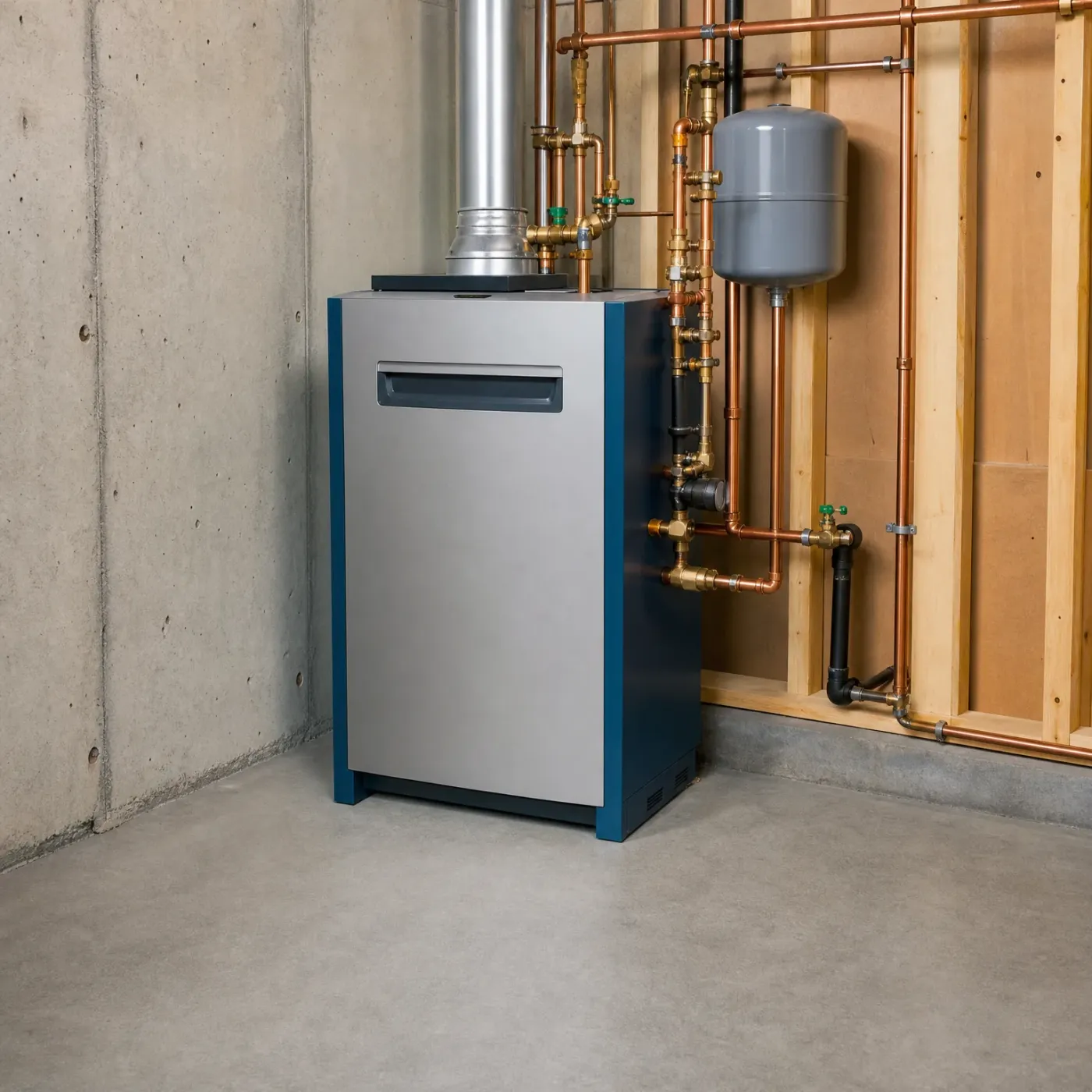
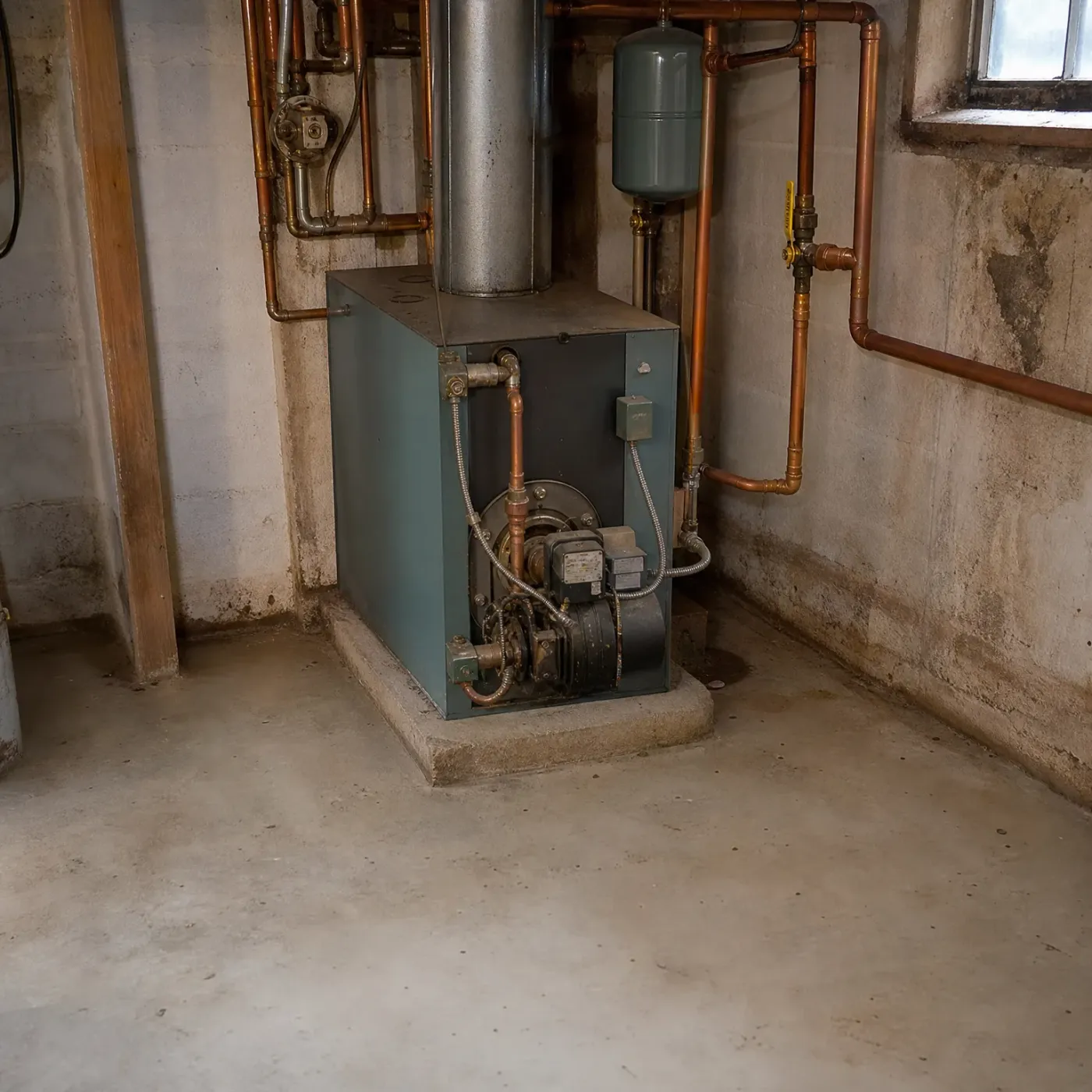
A tech works through the system piece by piece. Air gets bled from the lines so heat reaches every radiator or baseboard evenly. Pressure gets checked and adjusted if it's low, since low pressure is why some rooms run cold. The heat exchanger gets inspected for soot or cracks, the ignition or pilot gets tested so it lights reliably when the thermostat calls, and the circulator pump gets checked since a failing one means heat that never reaches the far end of the house. The flue gets looked at for a safe draft. Each check targets a specific way a boiler fails mid-winter, which is why this list and not another one.
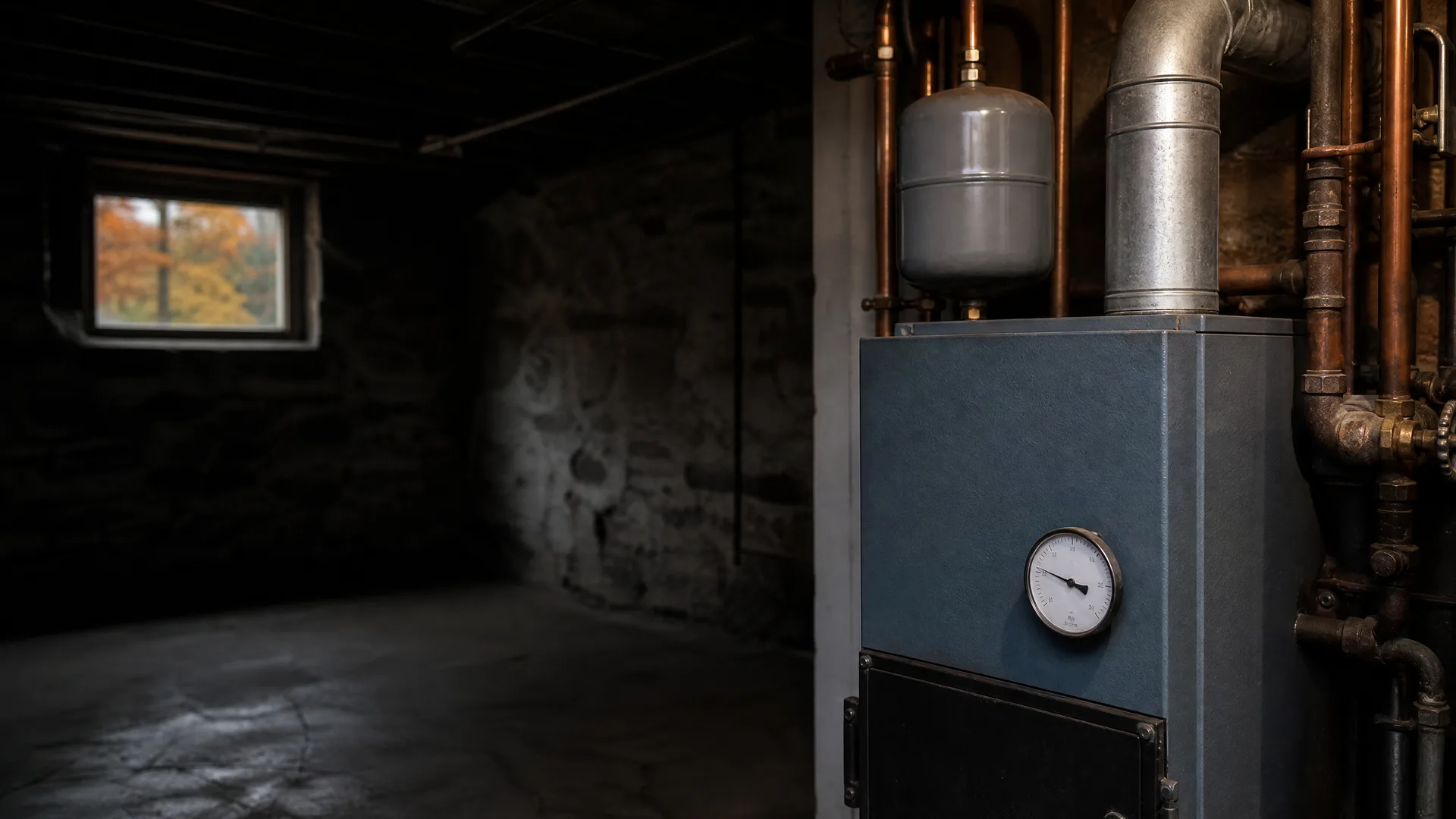
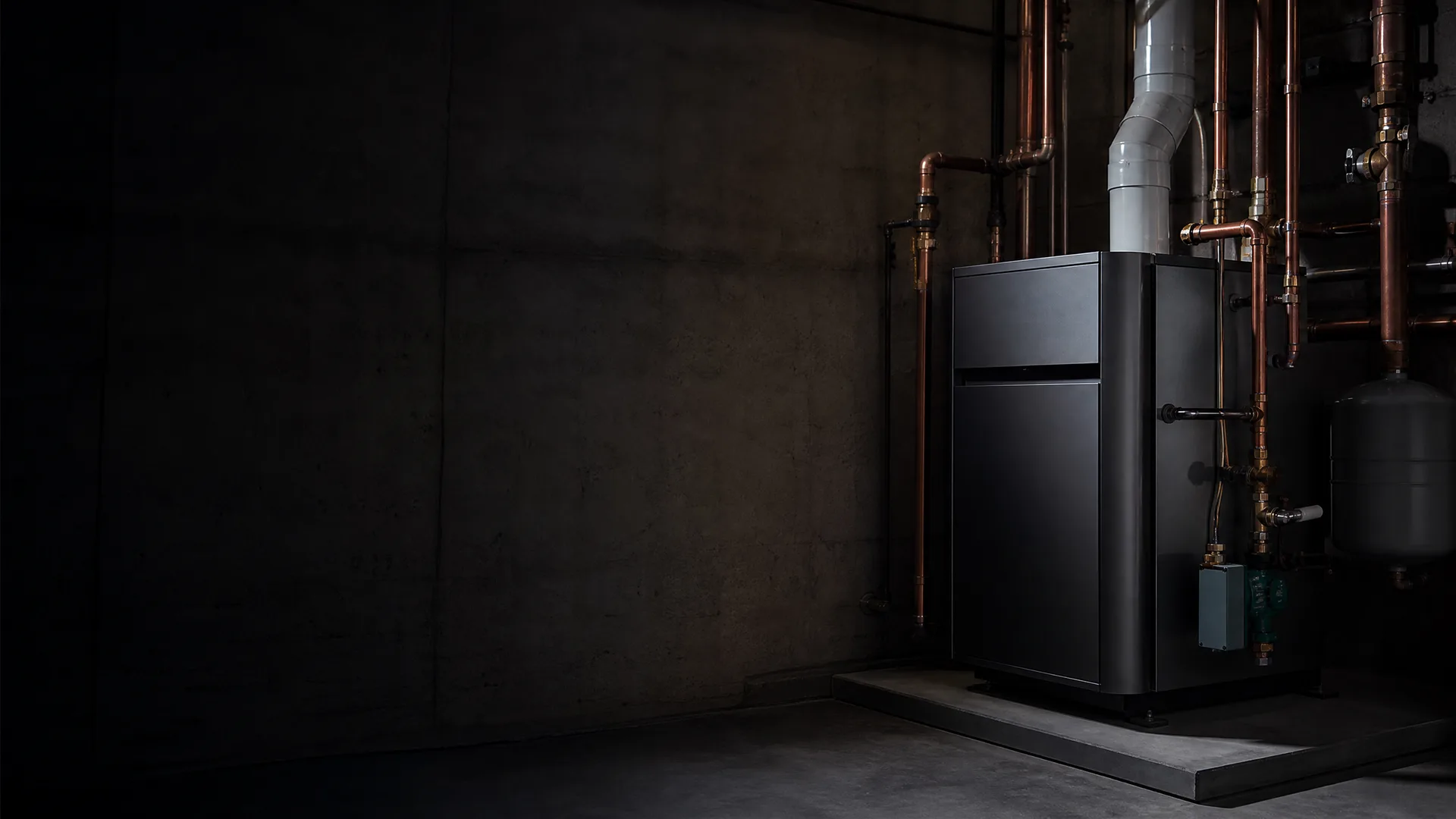
You go down to check on things before the weather turns, and the basement still has that October chill that hasn't made it upstairs yet. The boiler sits quiet in the corner. You crouch down and look at the pressure gauge, the round one with the glass face, and the needle is sitting low, under where it should rest. Nothing is hissing, nothing smells wrong. It's just low, and you don't know if that's a slow leak somewhere in the system or a valve that needs bleeding or something a tech would catch in ten minutes. You straighten up, wipe the dust off your hands, and think about how many calls it would take to find someone who'd even explain what that gauge means before they quote you a repair.
Skip the calls to every shop
Finding someone to look at a boiler before winter usually means a few calls, a few voicemails, and repeating the same description of your system to each one. Then you wait for quotes to come back and try to compare them when none of the write-ups cover quite the same ground. This page skips that. One request goes to a licensed contractor working in Nebraska, someone who services boilers all through the fall and already knows what tends to fail in a system that's been sitting quiet since spring, whether it's a circulator pump losing strength or a pilot that won't hold. You're not fielding calls from five companies trying to win the job. You get a visit scheduled with someone who does this work locally, every season, and can tell you what your gauge and your flue are actually showing. That basement chill isn't going away on its own, and the boiler isn't going to flag its own weak spot before January does it for you.
Five Checks Beyond the Basics
- A tech checks the aquastat setting against what your system actually needs to cycle properly.
- Combustion air and venting get inspected to make sure the flue draft is pulling exhaust out, not back into the basement.
- The low water cutoff gets tested, since that's the safety that shuts the boiler down if water runs low.
- Expansion tank pressure gets checked separately from system pressure, since a waterlogged tank causes banging pipes.
- Electrical connections at the circulator and controls get tightened, since a loose wire causes intermittent no-heat calls.
- Any zone valves get cycled to confirm they open and close fully instead of sticking partway.
The aquastat tells the boiler when to fire and when to stop, and if it's set wrong for your system, the boiler short-cycles or never quite gets the house warm. A tech checks that setting against your actual equipment, not a factory default. Combustion air and venting matter just as much. If the flue draft isn't pulling exhaust out of the house, that's not a comfort problem, it's a safety one, and it gets checked every visit. The low water cutoff is the safety switch that shuts the boiler down before it runs dry, and it has to be tested, not just glanced at. Expansion tank pressure is its own check, separate from system pressure. A tank that's gone waterlogged is usually why pipes bang when the heat kicks on, and most homeowners never find out why until someone checks the tank itself. Electrical connections at the circulator and the controls get tightened too. A connection that's worked itself loose over the summer is a common reason a boiler runs fine one day and not at all the next, with nothing else wrong. If your system has zone valves, each one gets cycled open and closed to confirm it moves all the way, since a valve stuck halfway open can leave one part of the house cold while the rest heats fine. None of these show up by looking at the boiler from across the room. They show up when someone who works on this equipment all season checks each one in order.




Winter nights average 17°F statewide
At 17 below 15 degrees, your boiler can run most of the night without shutting off. A circulator pump that's starting to stick or a thermostat that's losing calibration shows up fast at that temperature. A tune-up before December catches those small faults while the house is still warm enough to work in.
NOAA nClimDiv 1991-2020 county normals weighted by homes
A boiler holds somewhere around 12 to 15 psi of water pressure when it's cold. That number drops as the system loses water through old valves or a slow leak nobody's noticed yet.
A tech checks that pressure against the gauge reading and refills the loop if it's low, because a boiler running under pressure will short cycle or stop firing on a night in January when you need it most.



What a tune-up gets you before the cold sets in
A tune-up before winter means someone checks the pressure, the aquastat, the flue, and the low water cutoff while the basement is still warm enough to work in comfortably. That's the whole answer. It's the same list a tech would run through whether your boiler is three years old or twenty, and it's what stands between a quiet January and a 2 a.m. no-heat call.
You don't have to spend an evening calling around Nebraska, leaving voicemails, and explaining your system's quirks to three different companies before picking one. One licensed local contractor gets matched to you, someone who works on boilers like yours all season and already knows what tends to go wrong in a basement like yours once it gets cold. No comparing quotes side by side, no repeating yourself. Just one call, one visit, and a boiler that's ready for whatever December does.

Skip calling around
Only one pro gets your request, so you hear from one company.