
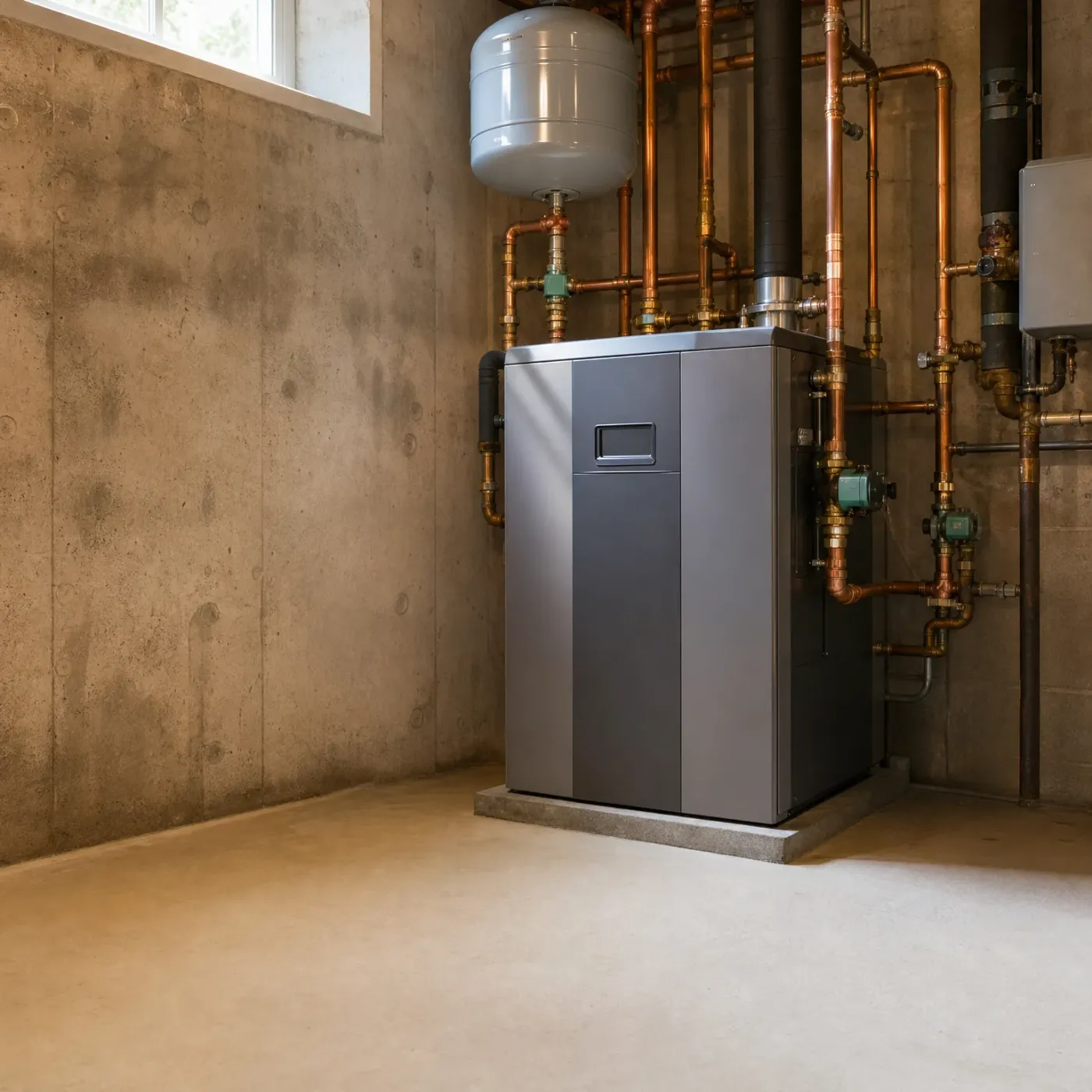
Boiler running right
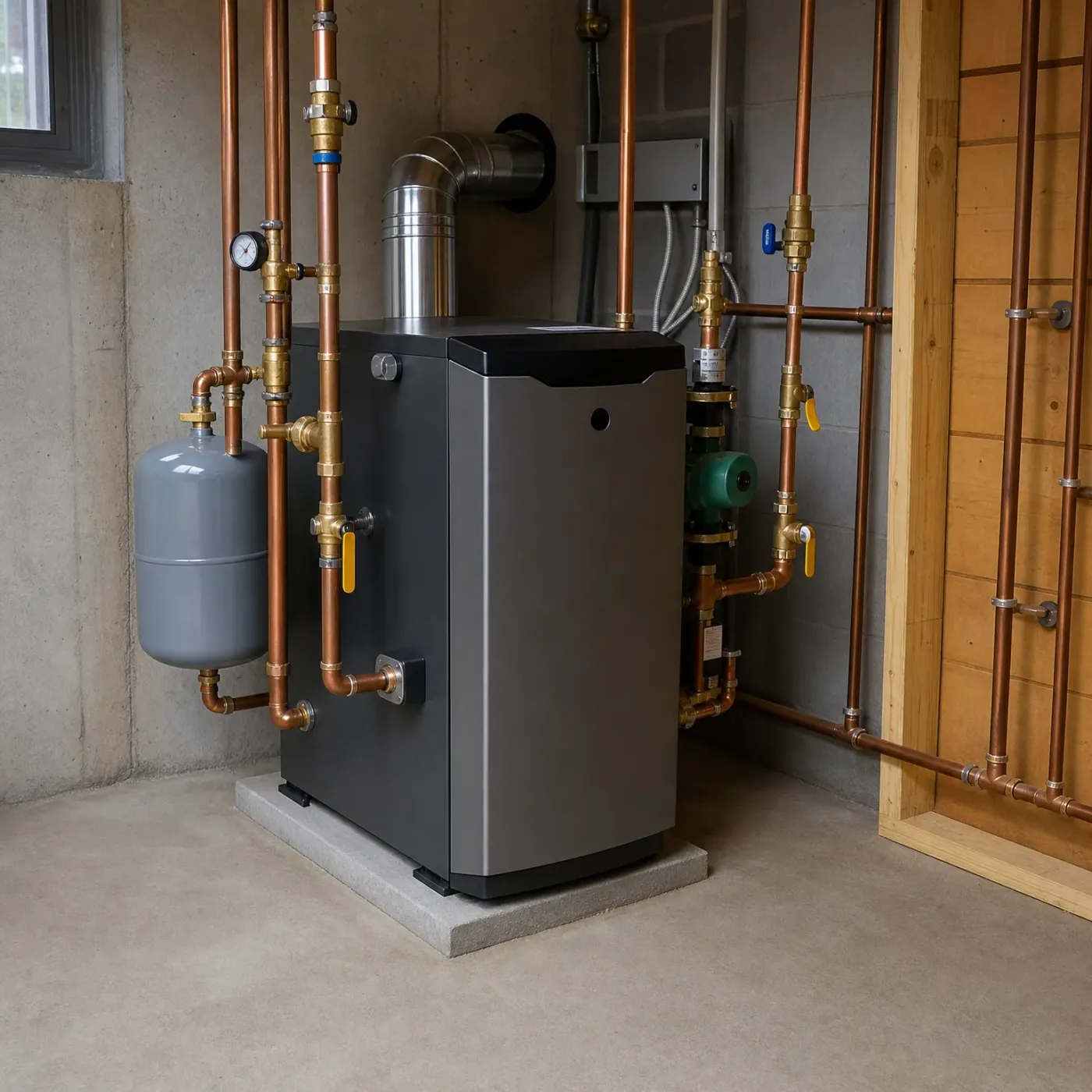
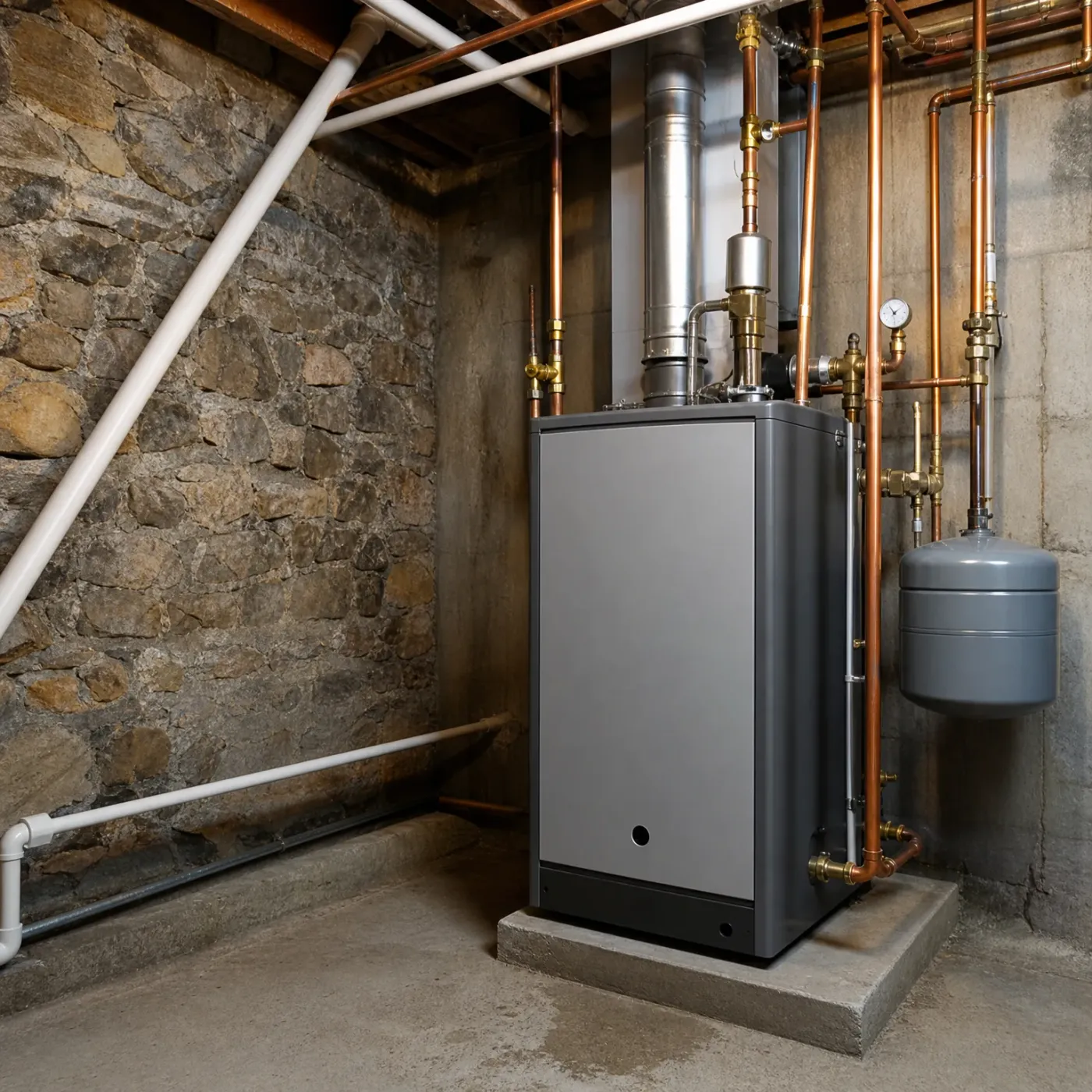
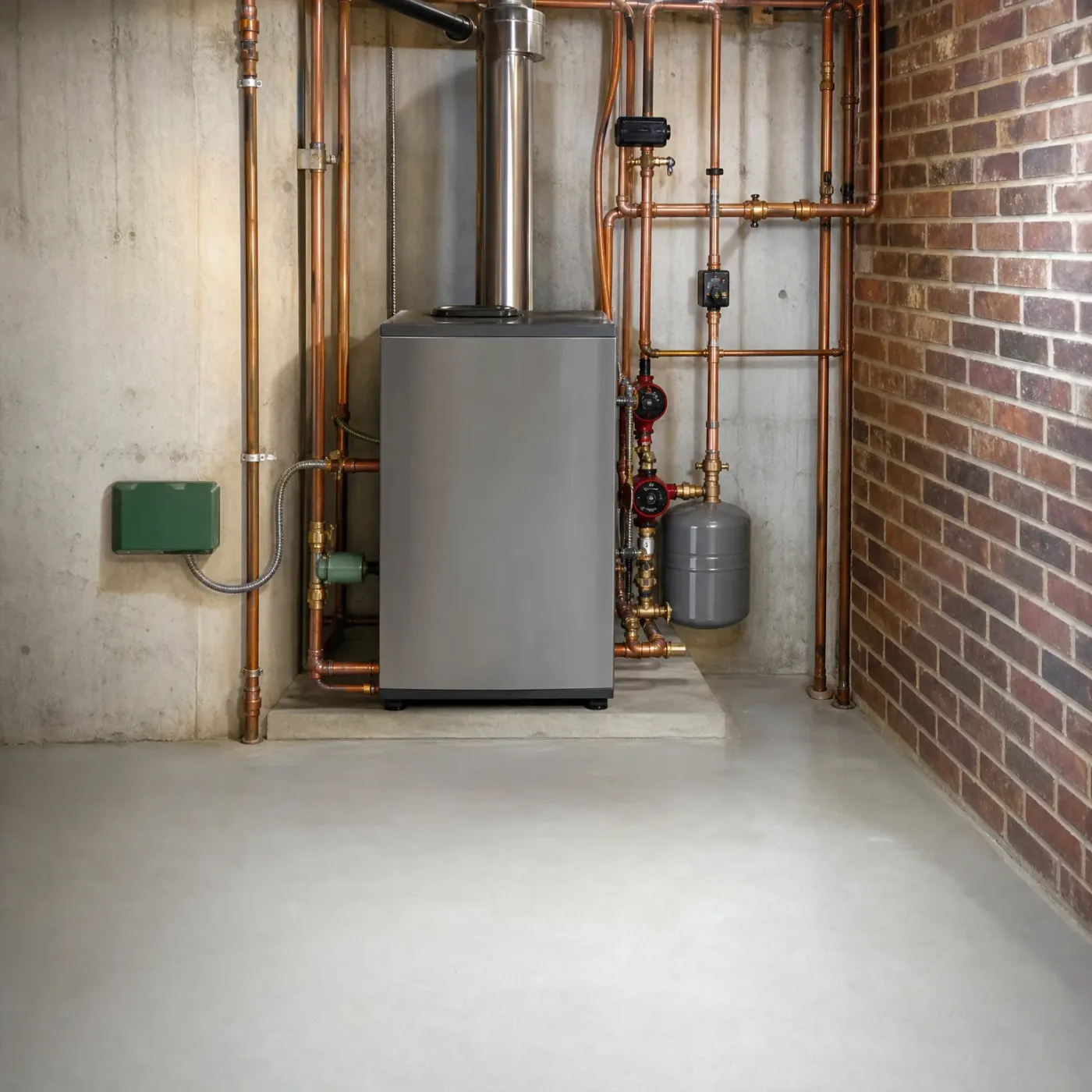
Water moves through the loop and every baseboard in the house puts out heat. The gauge on the front holds steady, the circulator pump runs quiet, and the pipes behind it stay warm to the touch all the way to the wall.
A local pro for your boiler repair
Cold baseboards in a Nebraska winter usually trace back to the boiler, not the baseboard itself. Could be air trapped in the line, a circulator pump that quit, or water that never got hot. Answer the form below and a contractor who works on boilers can reach out and sort out which one it is.
Connect with a proIf your baseboard heaters are cold, the boiler isn't sending them hot water, and that usually comes down to one of a few things. Air trapped in the line keeps water from moving through, so the baseboard stays cool even while the boiler runs. A circulator pump that's failed will do the same thing, since nothing is pushing water through the loop. Sometimes the boiler itself never gets the water hot, which points to the thermostat, the aquastat, or the burner. A closed or stuck valve on the baseboard unit can also cut it off from the rest of the system while everything else heats fine. With gas heat common in Nebraska homes, a boiler that won't fire at all often means a gas or ignition problem rather than anything in the baseboard line. Worth checking before anything else: is the circulator pump warm and running, and is there a bleed valve on the baseboard you can open to let air out.
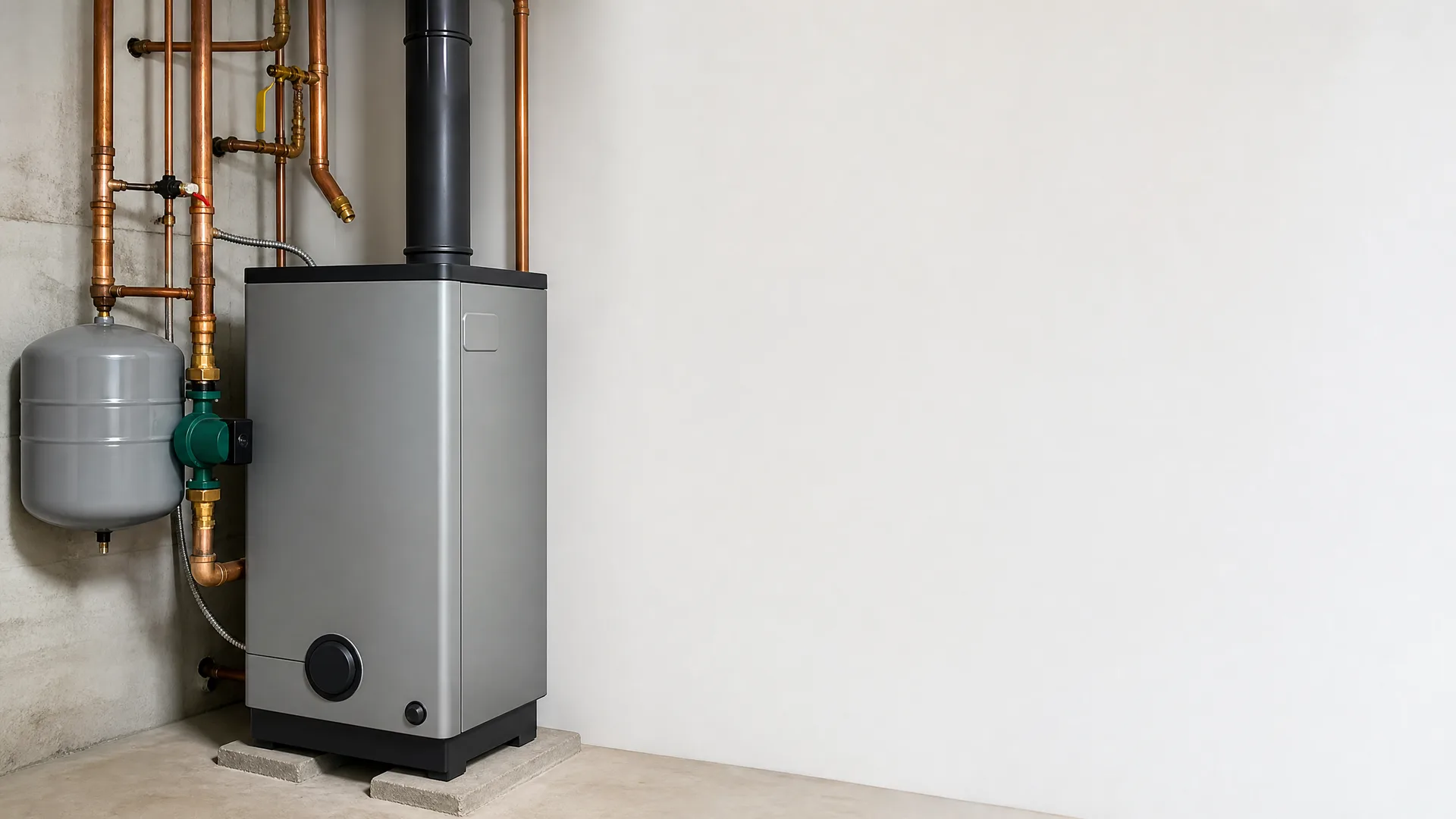
Baseboard heat runs on a loop, and most Nebraska homes have more than one zone feeding off the same boiler. Air trapped near a high point in that loop blocks water from one stretch of baseboard while the rest of the house heats fine. That is why a single room running cold, upstairs most often, points to trapped air rather than a boiler problem. Bleeding that zone is a quick check before anything bigger gets ruled in or out.
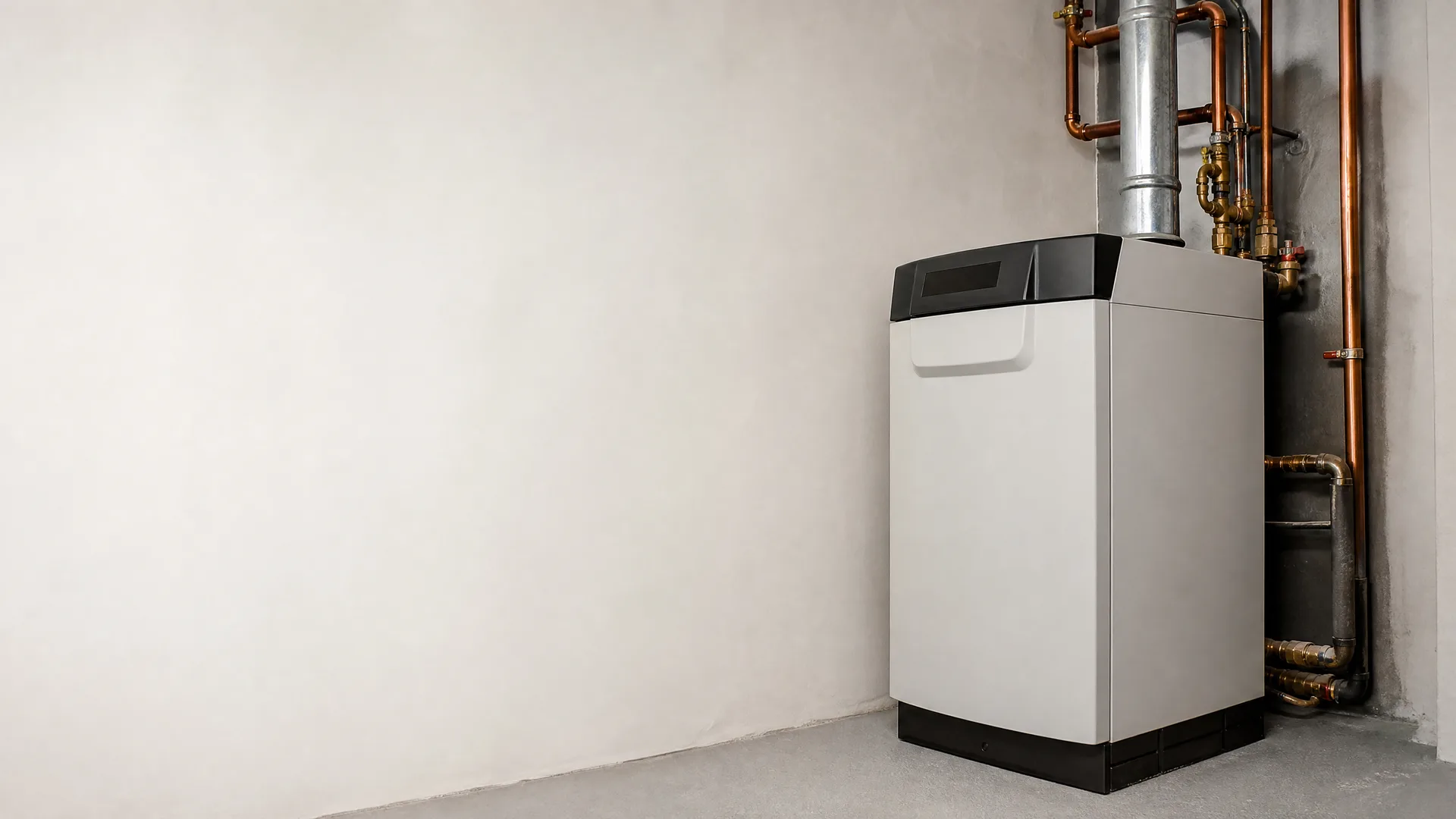
The circulator pump moves hot water from the boiler out to the baseboard. When it fails, the boiler can still fire and reach temperature, so you might feel heat at the boiler itself while every baseboard in the house stays cold. Put a hand on the pipe going into the circulator and the one coming out. If the boiler side is warm and the other side isn't, the pump has stopped moving water, not the boiler making it.
You've checked and it's not the whole system down, just certain rooms. The living room baseboard is cold while the bedroom down the hall is putting out heat fine, and the boiler is clearly running. That pattern usually points to something specific rather than a boiler problem, and it's worth knowing what before you call someone.
A boiler can feed several zones at once, each one a separate loop of baseboard with its own valve or circulator. If one zone stays cold while the others heat, the boiler itself is working. The problem is in that zone's path. A stuck or failed zone valve won't let hot water into that loop at all. Air trapped at a high point in that same loop can block flow just as completely, even with everything else running fine. Either way, the fix is specific to that zone, not the whole system. If the cold room also sits at the far end of the loop or upstairs, trapped air is the more likely cause.
The boiler fires and heats water in its tank.
The circulator pump pushes hot water into the baseboard loop.
Water moves through each zone valve in turn.
Heat radiates off the baseboard fins into the room.




One baseboard is cold because the boiler never gets a chance to heat your whole house at once. Zone valves split the loop into sections, and a stuck valve just cuts one room off while the rest run fine.
The whole house is cold because the boiler itself has stopped, whether that's a dead igniter, a pump that won't push water, or the pilot gone out. Nothing downstream of the boiler matters until that gets fixed first.
After you send the request, you're done searching.
Say what's going on with your boiler, and a pro who works on them reaches out.
There's no charge for the request.
Walk the baseboard and feel for where the cold starts. You might find one room that never warms while the rest of the house is fine, or you might find every baseboard in the house cold and the boiler running anyway. Listen near the boiler for a gurgle or knock, that's usually trapped air. If the circulator pump has quit, you won't hear the low hum it normally makes when the thermostat calls for heat. Left alone through a Nebraska winter, a cold zone means that room's pipes sit full of still water, and a boiler that can't circulate right will run longer than it needs to just to keep up.
Water moves through the loop and every baseboard in the house puts out heat. The gauge on the front holds steady, the circulator pump runs quiet, and the pipes behind it stay warm to the touch all the way to the wall.
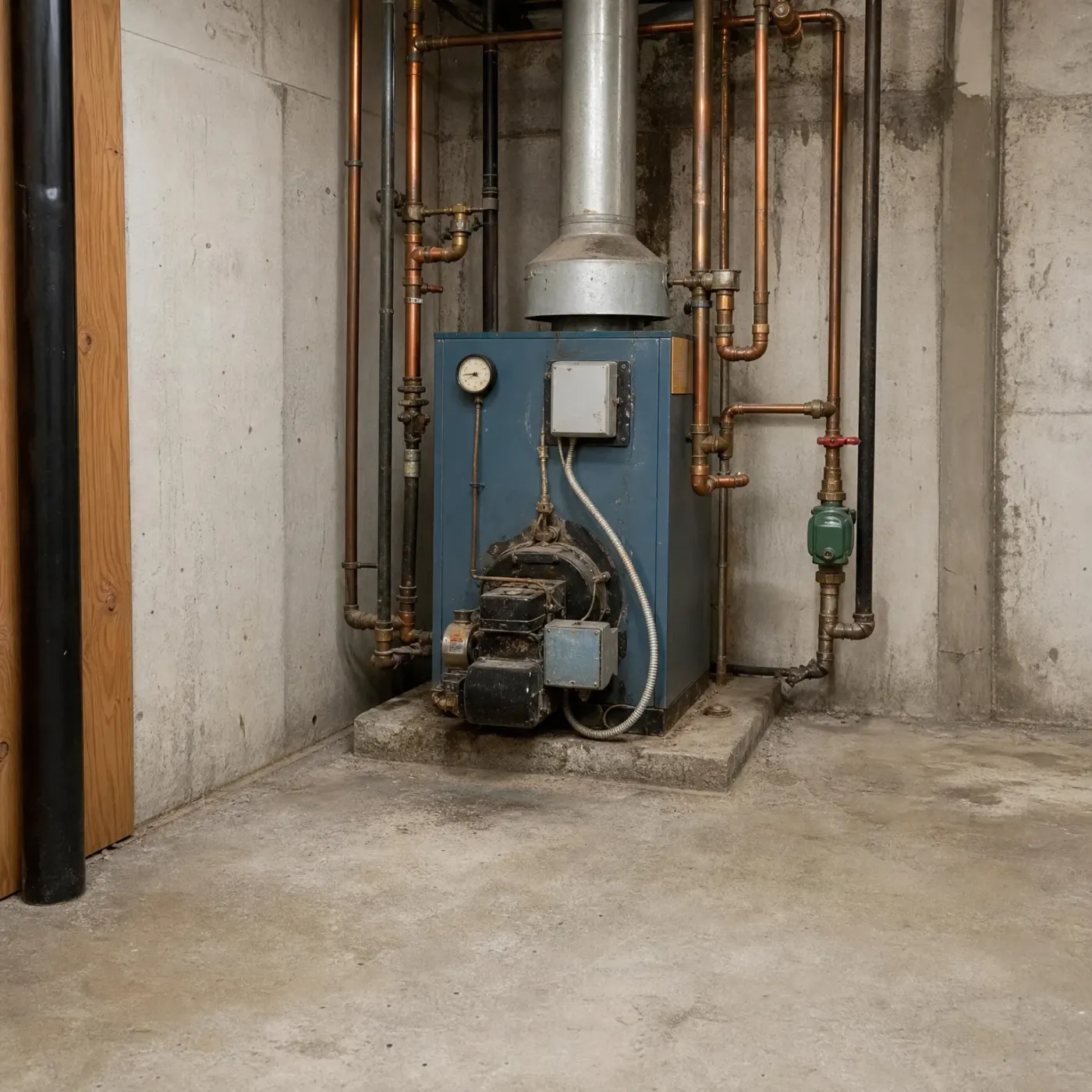
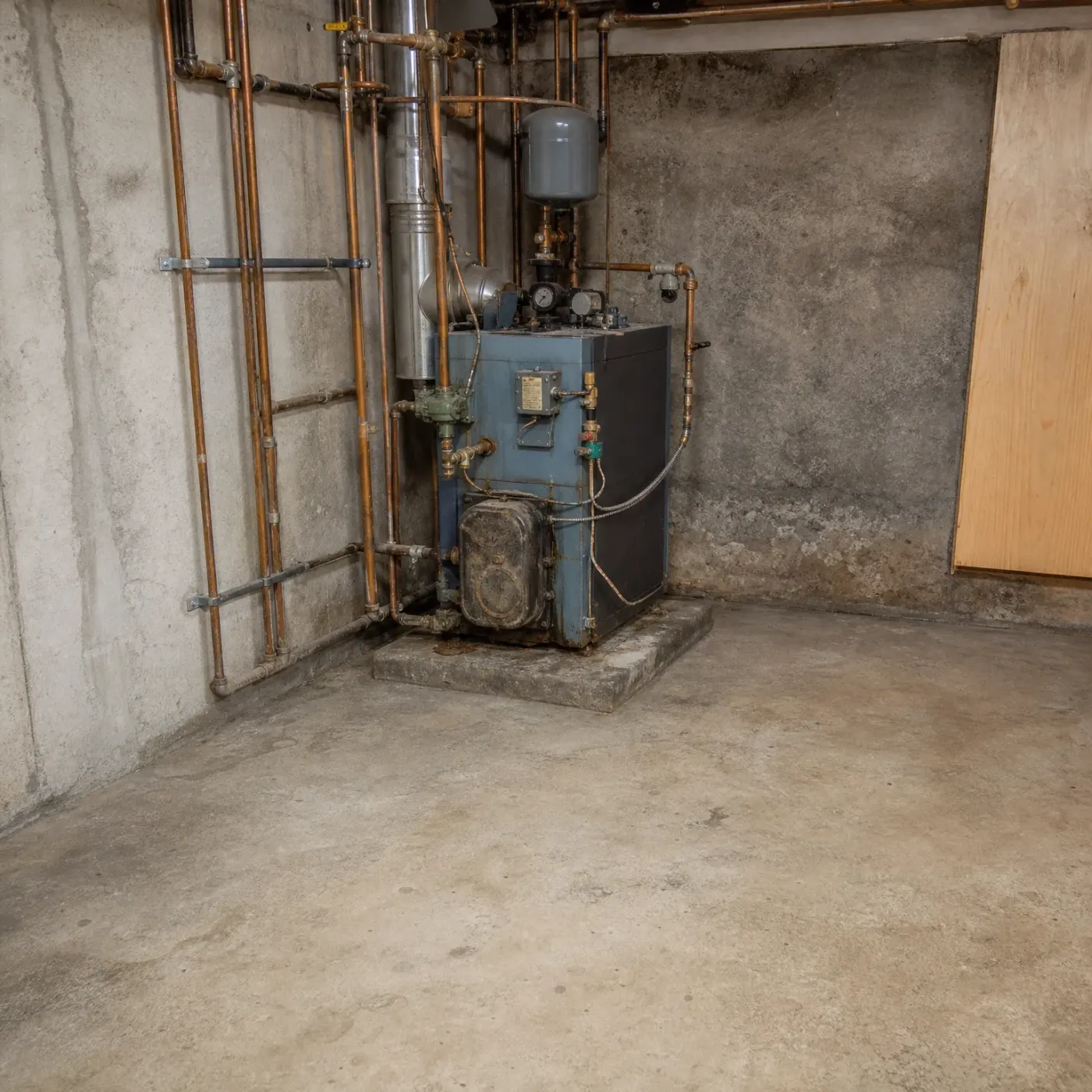
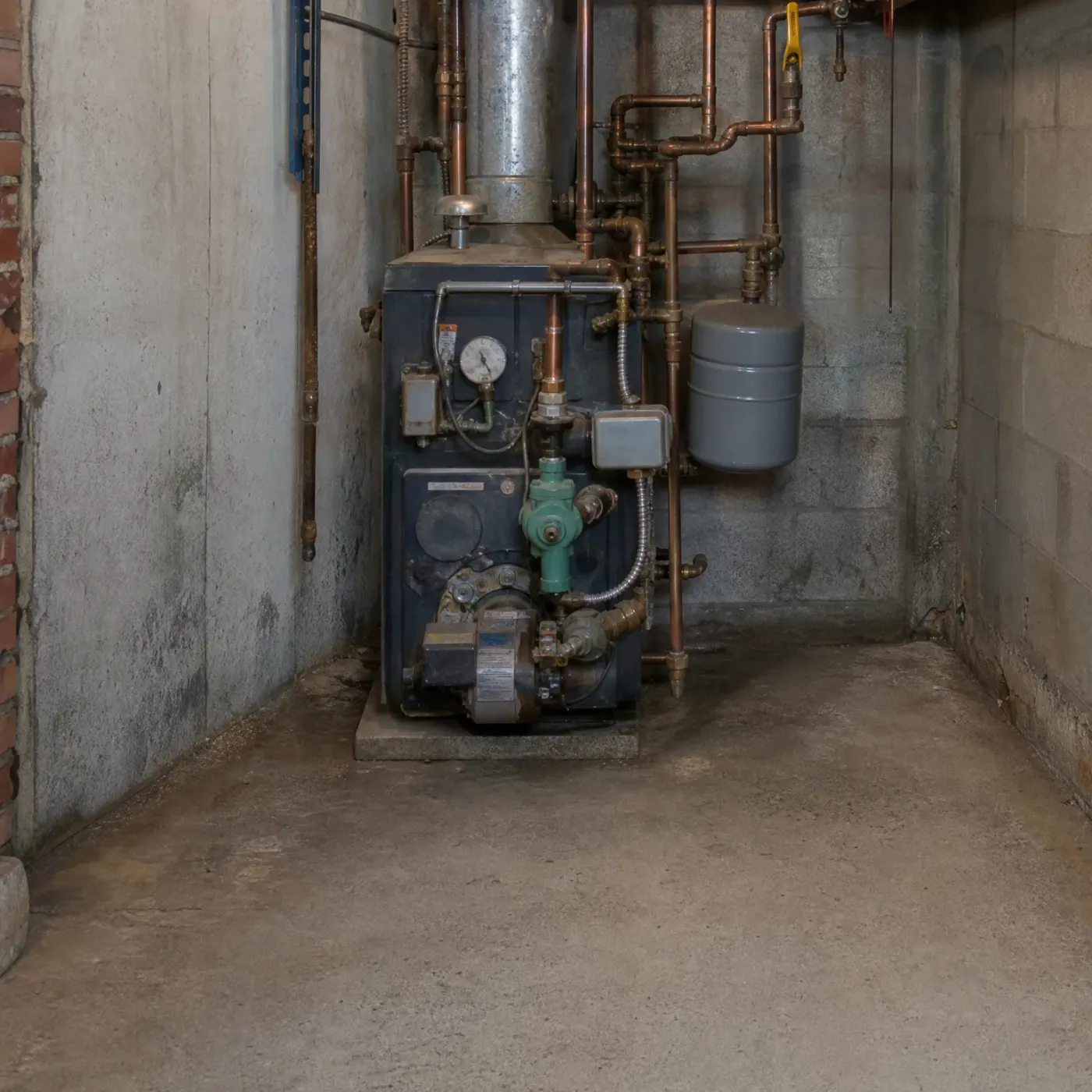
The pressure gauge reads low or sits at zero, and the burner won't stay lit long enough to heat a full tank. Baseboards stay cold no matter how long the thermostat calls, because the boiler behind them never gets water hot in the first place.


At 17 below zero, overnight, that's what your boiler is up against most winter nights here. It can't take a night off or run half-heartedly. When one zone goes cold at that temperature, the rest of the house starts losing ground fast.
NOAA nClimDiv 1991-2020 county normals weighted by homes
Cold baseboards start with the boiler almost every time. Trapped air, a dead circulator pump, a stuck zone valve, or water that never gets hot. Not the fins along your wall. By now you've walked the baseboard and found either one cold room or a whole house that won't warm up, and that tells you something about where to look. One cold room with the rest running fine points to a single zone valve. A boiler that fires but never heats the loop points to the circulator pump or the pressure gauge, and that's not something to open up and guess at. Nebraska doesn't leave room for a boiler to limp along on a bad part. When it drops to 17 below overnight, a zone that's gone cold stays cold, and the rest of the house starts losing ground while you wait.
None of this is work to sort out alone, and it doesn't have to be. A licensed contractor who works on boilers can look at the gauge, the pump, and the valves and tell you in minutes what days of guessing won't. Send the form below and that part of the job is no longer yours to carry. You're not left to search through names and reviews or wonder who actually works on boilers in your area. Someone who does takes the information and reaches out to you. The cold room or the quiet pump is still there today, but finding the right hand to fix it stops being something you have to manage the moment you send it.
Send the request today and stop worrying about who to call.