
Why your boiler is leaking water in Nebraska

One form replaces the calls you'd make to find a boiler pro.

Skip the calls

A boiler leaks water for a few common reasons. Pressure inside the system can build past what the relief valve is rated for, and the valve opens to let water out before something worse happens. The pressure-reducing valve or the expansion tank can fail and push the system too high on its own. Fittings and valves corrode over time, especially where water sits and minerals build up in it, and a joint that was tight for years starts to weep. The circulator pump has seals too, and those wear out and let water past the pump housing. None of these fix themselves, and water pooling near a gas-fired boiler is not something to leave alone through a Nebraska winter when you're counting on that heat every day. Shutting off the water supply to the unit and watching where the water is coming from tells a repair tech most of what they need before they even arrive.

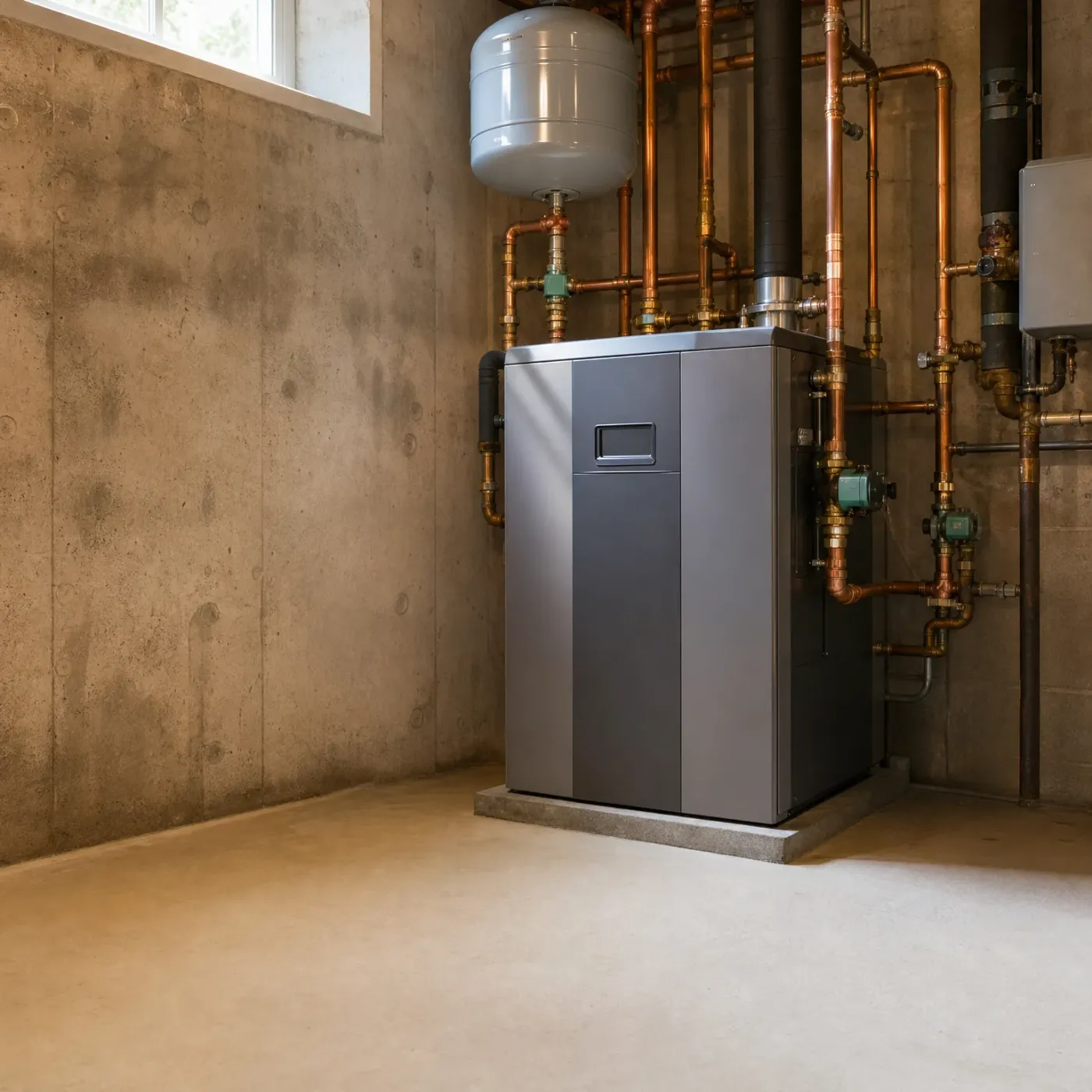
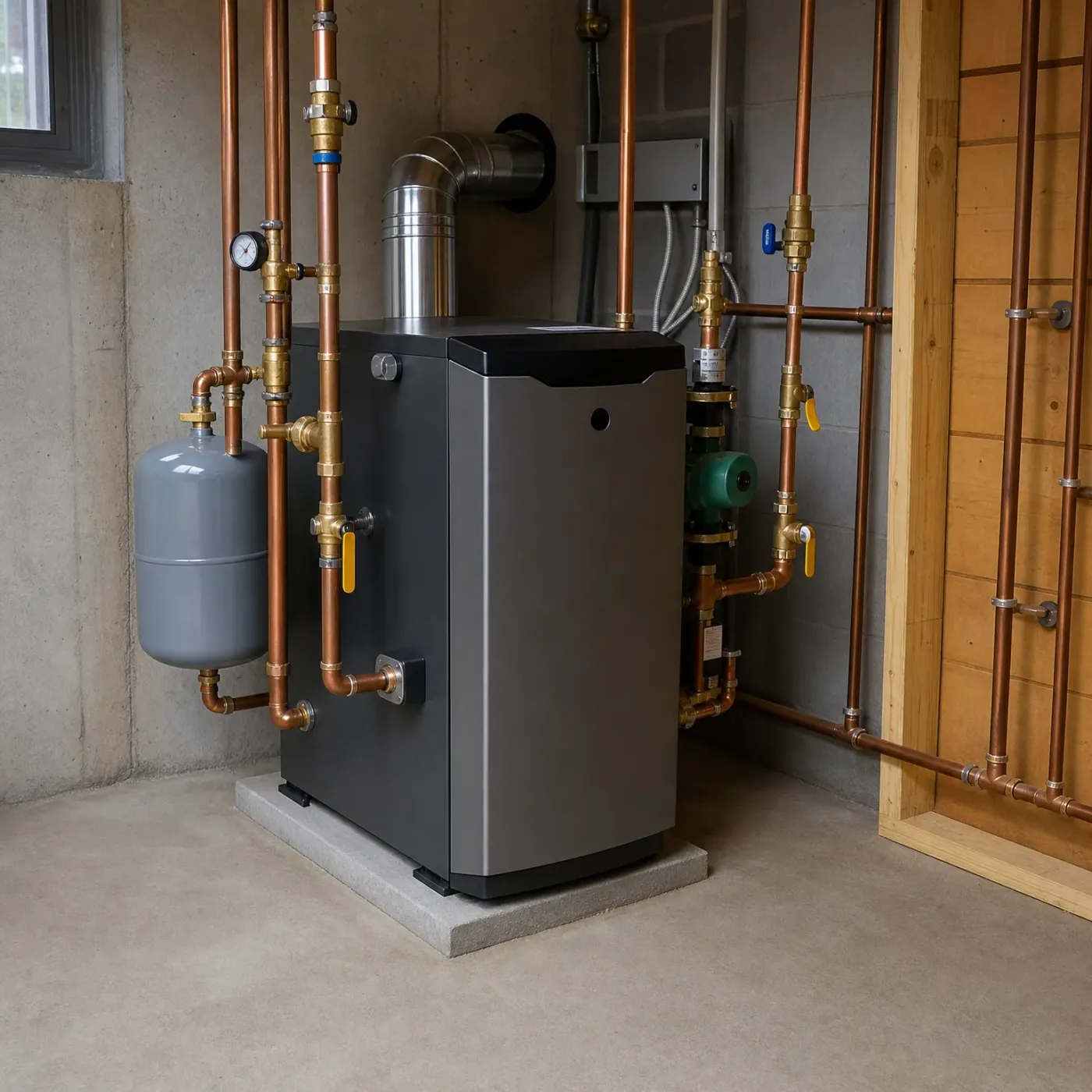
A dark gray floor-standing boiler on a concrete pad in a basement, surrounded by copper piping, brass valves, a gray expansion tank, a circulator pump, and a metal flue pipe against concrete block walls.

Normal, sealed system

No puddles on the concrete, no rust creeping down the jacket. The pressure gauge holds steady, the relief valve stays dry, and every fitting on that copper network stays tight. That's a boiler doing what it's built to do, year after year, through a Nebraska winter.
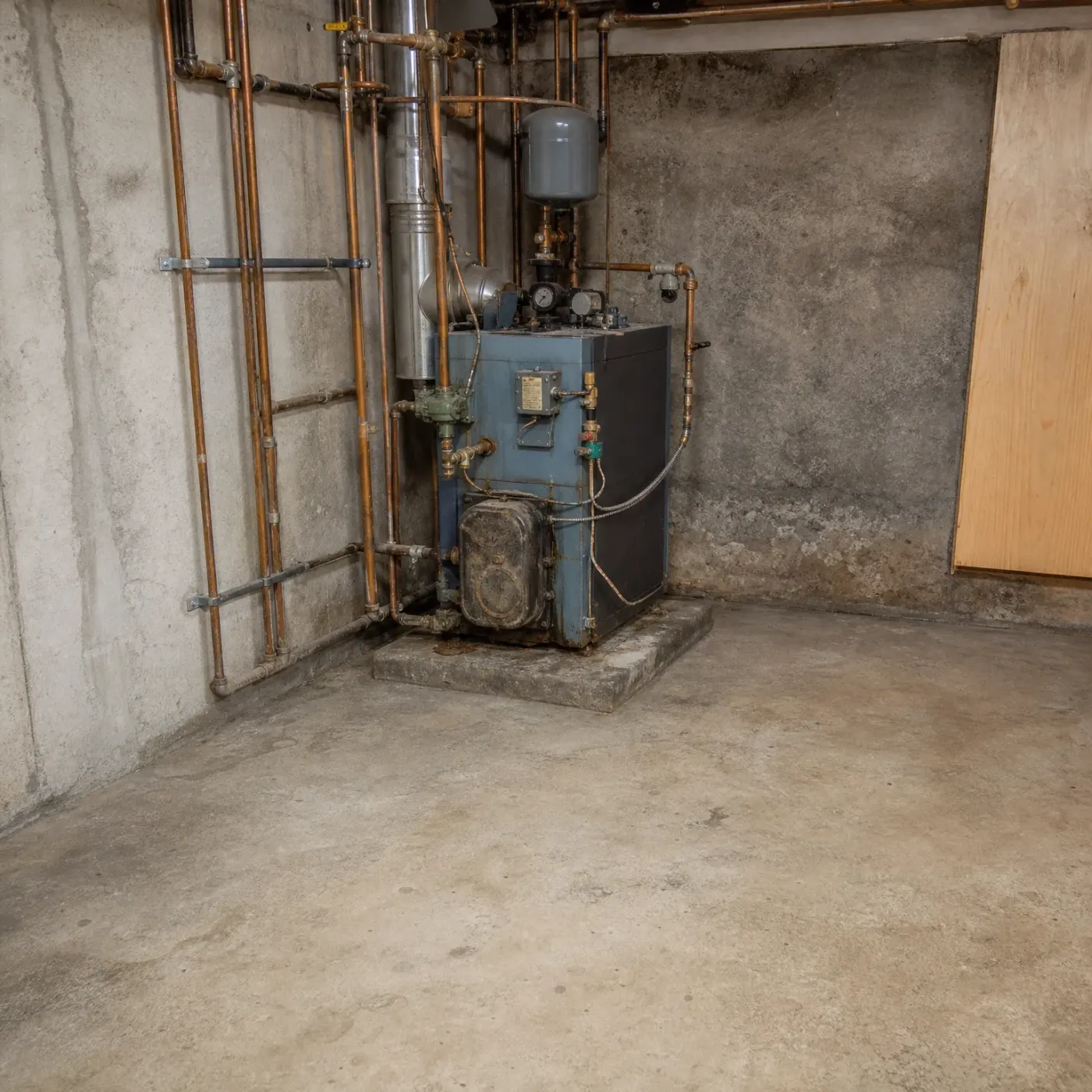

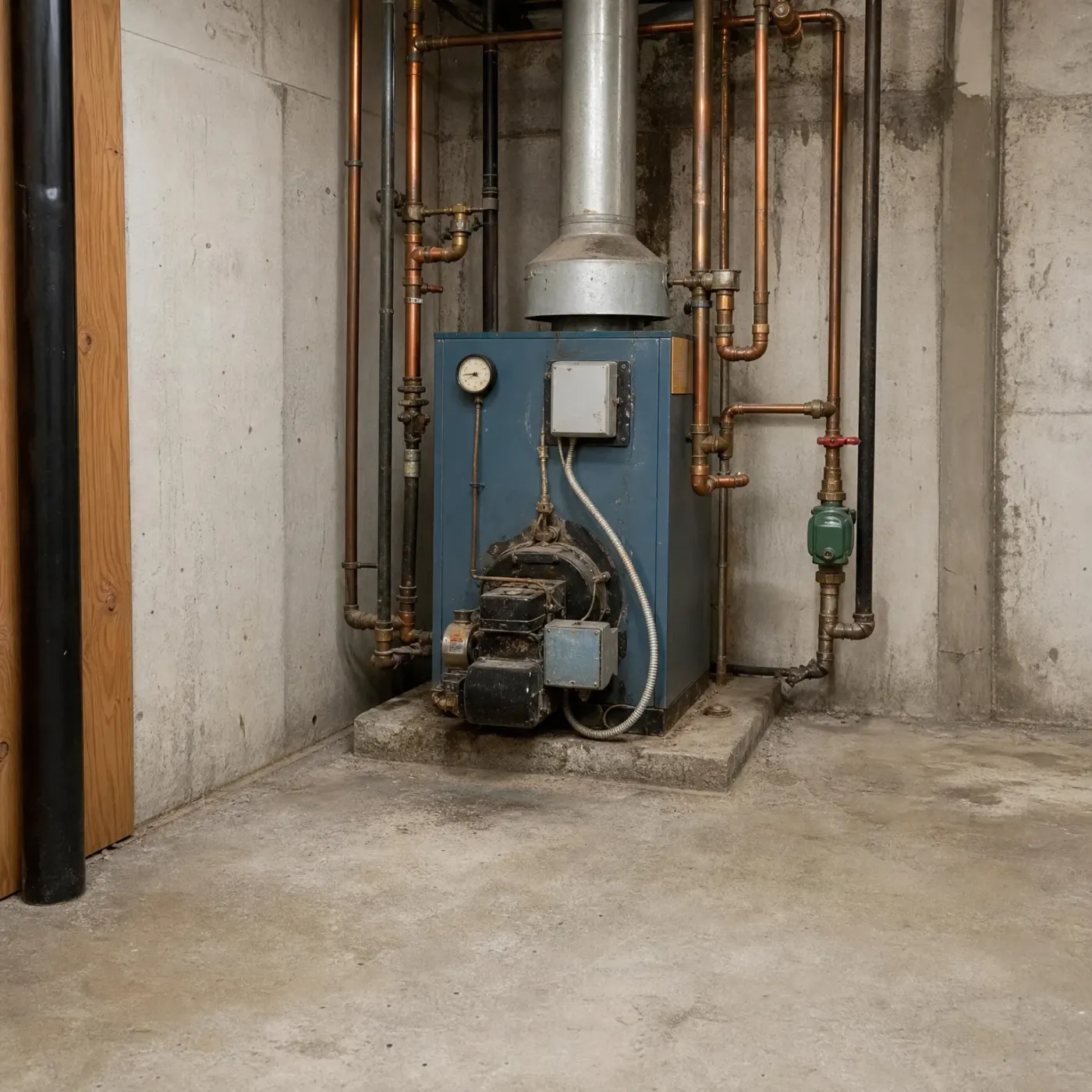
A blue boiler on a raised concrete pad in a basement corner, with copper and steel pipes, a gauge cluster, an expansion tank, and a metal flue running up the bare concrete walls.

Leaking, needs a look

Water pooling under the unit or staining the flue pipe means something inside has given out: a cracked fitting, a failed valve, a seal that's worn through. Left alone it gets worse, and on an older unit like this one, it's worth having someone who knows gas boilers check it before it fails outright.

Winter nights average 17°F statewide

At 17 below zero outside on a January night, your boiler is running long stretches to hold the house warm, and pressure climbs higher than it would on a mild evening. A system already low on water or running a weak expansion tank is more likely to show a leak on nights like that.

NOAA nClimDiv 1991-2020 county normals weighted by homes

A boiler holds water under pressure, usually between 12 and 15 psi when it's running. Go much above that and the relief valve is designed to open, because the alternative is a cracked heat exchanger or a seam giving way somewhere you can't see.

That's why a dripping relief valve isn't the failure. It's the system telling you something upstream, the pressure-reducing valve, the expansion tank, or a fill valve stuck open, already failed and let the pressure get there.

A man with grey hair and stubble in a dark sweater sits on a grey sofa indoors, looking off to the side, with a potted plant and a sunlit window behind him.
A man with gray hair, a beard and glasses, wearing a dark green sweater, sits on a gray sofa in a sunlit living room with a potted plant, table lamp and wooden sideboard behind him.
A middle-aged man with graying hair and a short beard sits on a blue sofa in a living room, looking toward a window, with a bookshelf, lamp and framed picture in the background.
A man with graying curly hair and a dark green sweater sits on a gray sofa in a sunlit living room, looking off to the side, with a framed picture, shelving, an armchair and a window with sheer curtains behind him.

Left unchecked

A slow leak won't stop on its own. It keeps feeding water into the system, wearing at the fittings and the floor beneath, until the boiler can't hold pressure at all.

Answer a few questions

Checked now

A local contractor who works on boilers all winter can find where the water is coming from and shut it down before it costs you more than it has to.

Answer a few questions

Fix It Yourself or Call It In

Fix it yourself

  • Tightening a fitting or bleeding a radiator valve might stop a small drip for a while, but it won't tell you why pressure built up in the first place.
  • Without a gauge check over a few heating cycles, you won't know if the relief valve is opening because of a bad expansion tank or because the system is overfilled.
  • A misjudged repair on a pressurized system can turn a slow drip into a cracked fitting, and now you're buying parts you didn't need to replace.
  • Nebraska winters push your boiler hard for months, and a patch job that doesn't hold means doing this again in January instead of October.
  • You still have to figure out which part failed, the valve, the tank, or a seam in the heat exchanger, before you know what to buy.

Call a local contractor

  • A contractor who services boilers through a Nebraska winter has seen this exact failure before cold snaps hit 17 below and knows where to look first.
  • One licensed contractor handles the whole job, the diagnosis and the repair, instead of you sorting through quotes from several companies.
  • You explain the leak once, to the person who's actually going to open up the system and fix it.
  • A contractor working on gas-fired boilers all season knows the difference between a relief valve doing its job and one that's failing early.
  • You skip the back and forth of calling around and get someone qualified looking at the actual pressure gauge and the actual leak.
A gray boiler unit on a concrete pad in a basement corner, connected to copper piping, circulator pumps, and a ceiling-mounted expansion tank against bare concrete walls.

A sealed system

This is a boiler with its pressure holding steady, the expansion tank doing its job, and every pump and fitting on that copper run dry to the touch. Nothing here is forcing the relief valve open.

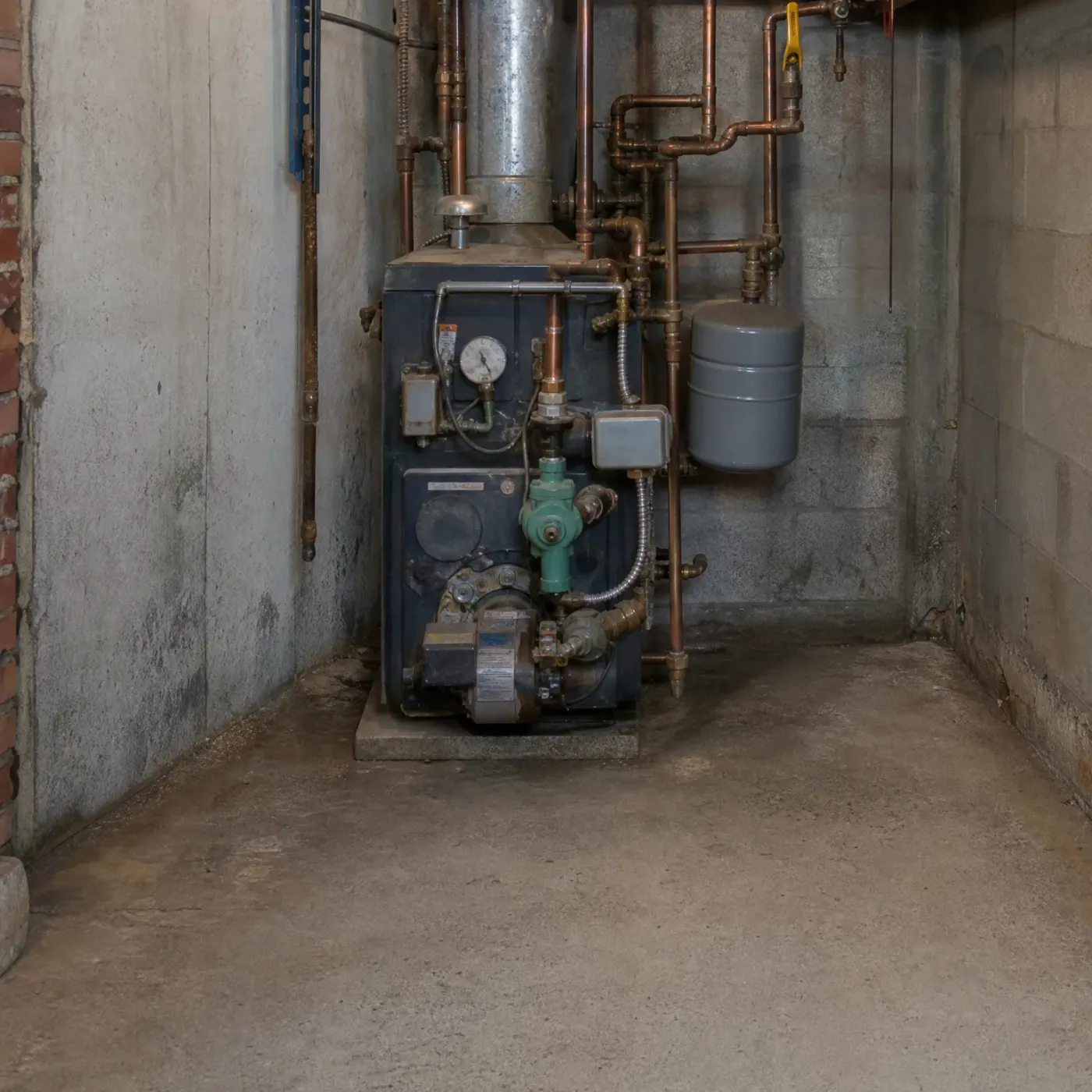
A blue oil-fired boiler with a pressure gauge, burner unit and metal flue sits on a concrete pad in a basement corner, surrounded by copper and black pipes against bare concrete walls.

One under strain

The gauge on this one is climbing past where it should sit, and the burner is cycling hard to keep up. Water finding its way out through the relief valve or a fitting is the system telling you it's past its limit.

A dark cast-iron boiler with copper piping, pressure gauge, and a gray expansion tank sits on a concrete pad in a basement corner with concrete block and brick walls.
Before you get your boiler repair
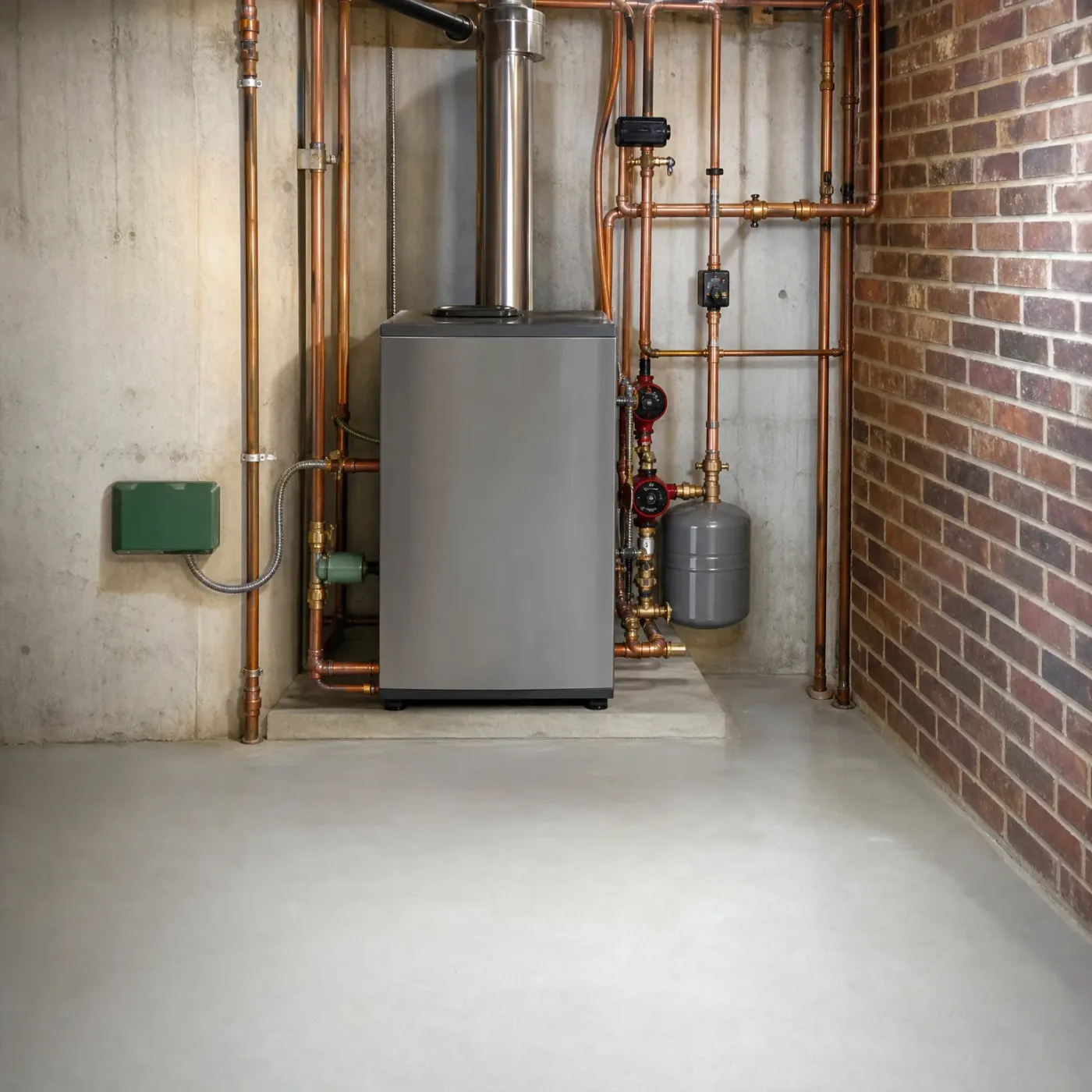
A gray boiler on a concrete pad in a basement, connected to copper piping, valves, pumps and a gray expansion tank, with a concrete wall on the left and a brick wall on the right.
After you get your boiler repair

Describe it once

Only one pro gets your request, so you hear from one company.

You only hire the pro if you want to.

Waiting on a slow leak

A little water on the floor doesn't feel urgent, so it's easy to put off. The boiler still heats the house, so you tell yourself it's fine for now. But a leak that started small rarely stays that way. Every drop that escapes gets replaced by fresh water through the fill valve, and that fresh water carries oxygen and minerals the old water didn't have. That speeds up corrosion inside the heat exchanger and the fittings. Pressure that's already borderline keeps triggering the relief valve, and each cycle wears at the valve seat itself. What would have been a simple fix becomes a part that has to be replaced, or a heat exchanger that's past saving.

Calling someone who knows boilers

A contractor who services boilers all winter in Nebraska has likely already seen what's doing this to yours. They can check pressure against what the system is rated for, pressure-test the fittings, and look at the expansion tank and the relief valve without guessing. One licensed, local contractor means one visit that gets to the actual cause, not a string of calls to different companies explaining the same puddle on the floor each time. Instead of sorting through quotes or hunting for someone who'll actually show up, you get matched with someone who does this work regularly and can tell you, specifically, what's failing in your system and what it takes to fix it.

A woman with shoulder-length brown hair wearing a beige knit cardigan sits in a gray upholstered armchair near a window, looking off to the side with a slight smile, with bookshelves blurred in the background.
A woman and a sleeping child wrapped together in a cream knitted blanket on a couch, with a potted plant, framed photo and lit lamp in the background.

Where the leak leaves you

  • A boiler leaking water is telling you pressure or a worn part needs attention, not something to patch and ignore.
  • Once a contractor checks the gauge, the relief valve and the fittings, you know which one is actually behind the leak.
  • A local contractor who works on boilers through a Nebraska winter has seen this exact leak before and knows where to look first.
  • Submitting your information once connects you with that one licensed contractor, so you aren't fielding calls from several companies at once.
  • That contractor handles the diagnosis directly with you, no explaining the same leak over and over to different people.
  • Catching it now keeps a slow drip from turning into a system that can't hold pressure at all.

A boiler leaking water almost always comes down to pressure running too high, a worn part giving out, or a fitting that's finally let go. None of those fix themselves, and none of them need guesswork once someone's looked at the gauge and traced the water back to where it started. That's the part worth getting right. A contractor who works on boilers through a Nebraska winter has seen this leak before, in houses like yours, and knows which part tends to go first and why. Submitting your information once puts you in touch with that one contractor directly, not a handful of companies calling back within the hour, not the same explanation given five different times to five different people. You describe the leak once, to the person who's going to look at it.

That matters more than it sounds like, because a slow leak doesn't stay slow. It wears at the same fittings and the same floor every day it's ignored, and a system that's already struggling to hold pressure only loses more ground over a long winter. Getting it looked at now, by someone licensed to work on it and familiar with how Nebraska winters push these systems, is what keeps a small problem from becoming a system that can't hold pressure at all. The leak is the sign. What happens next is up to you.

A single-story stucco house at dusk with a lit paver walkway lined by low path lights, desert plants and boulders in front, and distant mountains under an orange and blue sky.

Boiler Repair

No phone calls to make

Step 1 of 3: Equipment
  • A beige upholstered armchair with an olive cushion sits in a sunlit corner beside a wooden side table holding a ceramic vase with leafy branches, under a framed abstract artwork, on a woven rug over a wood floor.
    • Tell a local repair pro what your boiler is doing.
    • Describe your boiler job, and a local pro who handles it gets in touch.
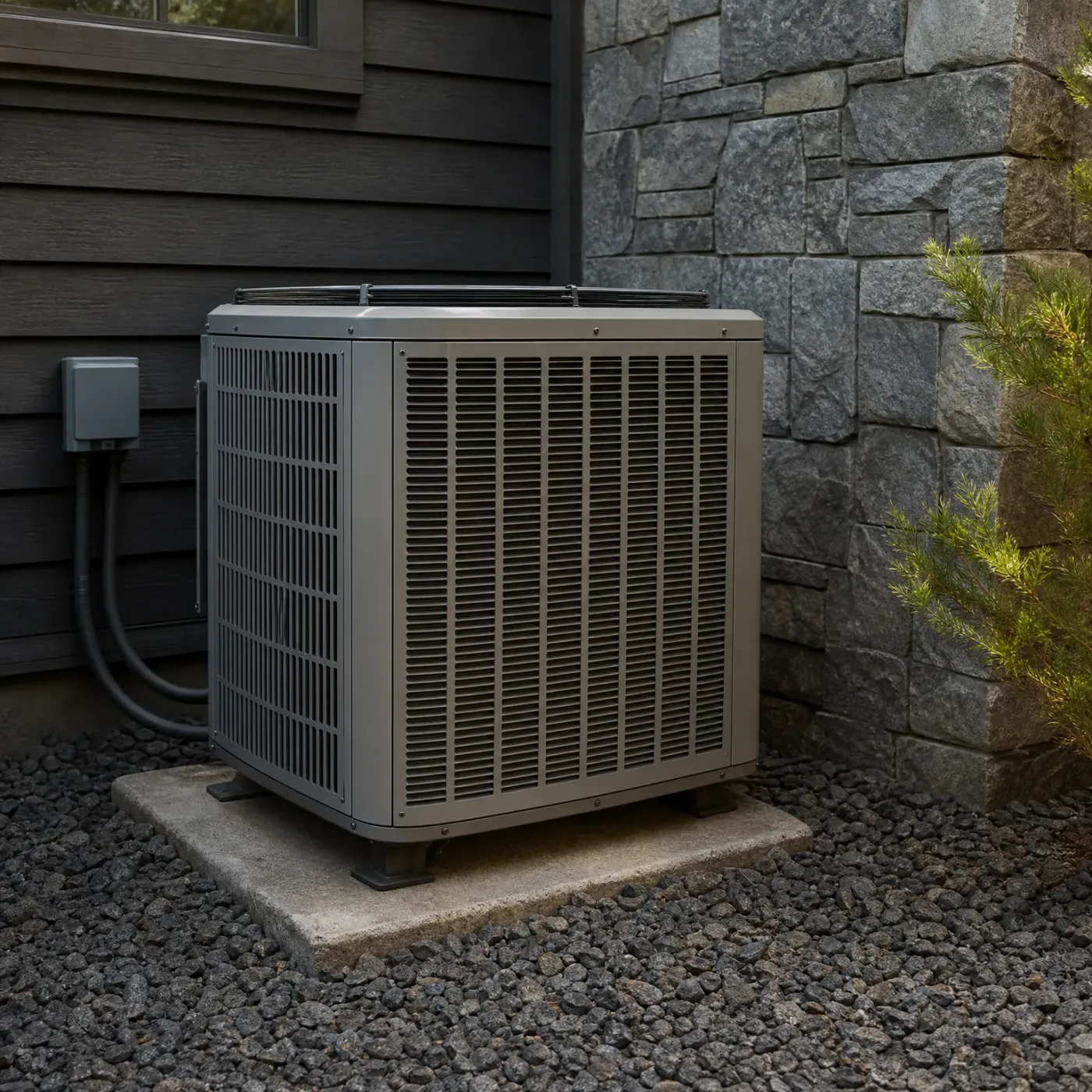
  • A gray outdoor condenser unit on a concrete pad surrounded by dark gravel, beside a dark wood-sided wall with an electrical disconnect box and a stone veneer wall with a small evergreen shrub.
    • Send the request today and stop worrying about who to call.
    • One request and the search for a pro is handled.
  • A beige upholstered oversized armchair with a matching cushion and a knit throw draped over one arm, beside a round wooden side table holding a vase of greenery near a curtained window, with a framed landscape print on the wall and a woven rug on a wood floor.
    • Fill out one short form instead of calling around.
    • Explain the job once and skip repeating it on every call.
  • Sunlit living room corner with a beige upholstered sofa, cushion and knitted throw, a round wooden side table holding a white ceramic vase of leafy branches and a small wooden bowl, a framed landscape painting on the wall, and a window at right.
    • Your request goes to one pro, not a list of companies.