Why your boiler is losing pressure in Nebraska

Step 1 of 3: Equipment

Why does my boiler keep losing pressure?

You top off the pressure, it holds for a week or two, then the gauge drifts back down toward zero again. With gas boilers running most evenings through a Nebraska winter, a system that can't hold pressure is one more thing competing for your attention when you'd rather be doing anything else. You want to know if this is something to watch or something that needs a tech out soon.

Usually a slow water leak or trapped air in the system

Most of the time, lost pressure means water is leaving the system somewhere, through a small leak at a valve, a fitting, or the pressure relief valve itself. Air trapped in the lines can also throw the reading off, especially if the system was recently bled or refilled. A boiler that runs most of every day through a Nebraska winter cycles through more heating and cooling than one used only a few months a year, and that repeated expansion and contraction is what works fittings loose and lets small leaks start. A pressure drop that keeps coming back, rather than a one-time dip, points to a leak that needs to be found and sealed rather than air that needs to be purged.

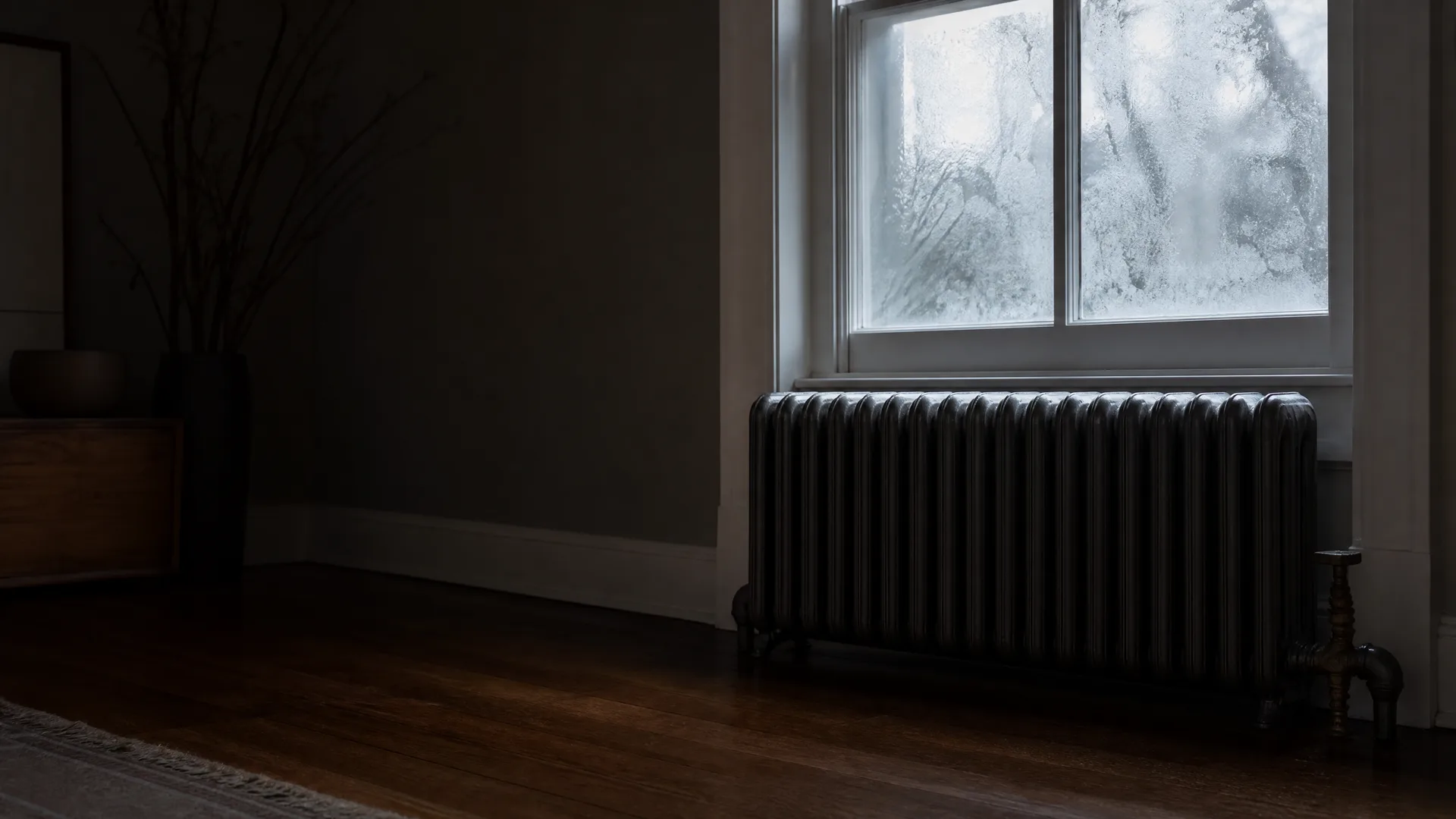
A cast-iron column radiator stands beneath a frosted window in a dim room with dark walls, a wood floor, and a vase of bare branches on a low cabinet at left.

You're up before the thermostat kicks on, and the living room is cold enough that you can see your breath. Ice has crept across the inside of the window glass overnight, a thin white crust over the pane above the radiator. You crouch down and touch the cast iron. Cool, not cold, but not what it should be at six in the morning in January. You check the gauge on your way to the kitchen and it's sitting near zero again, the same spot it sat two weeks ago before you bled the line and topped it off. The furnace in the basement clicks and starts its cycle, but the radiator under the window stays quiet a long time before any heat reaches it.

Is my boiler losing pressure again right now

Check the gauge. If the needle sits below 12 psi, or you've had to bleed a radiator and top it off more than once this month, that's the pattern. You might hear a gurgle in the pipes before the radiators heat up, or notice one room staying cooler than the rest of the house while the boiler runs longer to make up for it. Look under the boiler and around the valves for a damp spot or a faint mineral crust, a sign of a slow leak rather than just air in the system. Left alone through a Nebraska winter, a boiler that keeps losing pressure can shut itself down on low-water cutoff on the coldest night, right when you need it most.

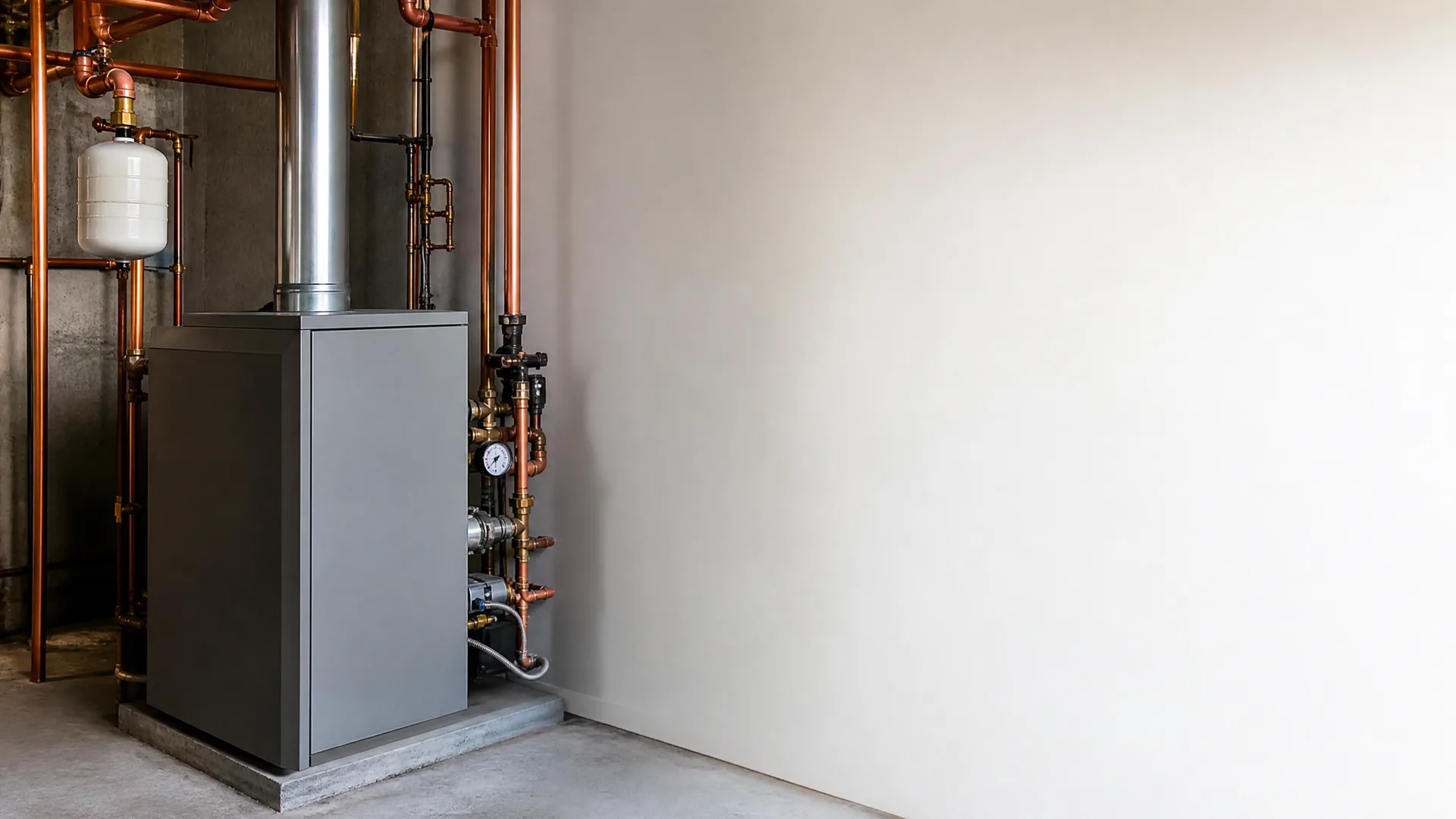
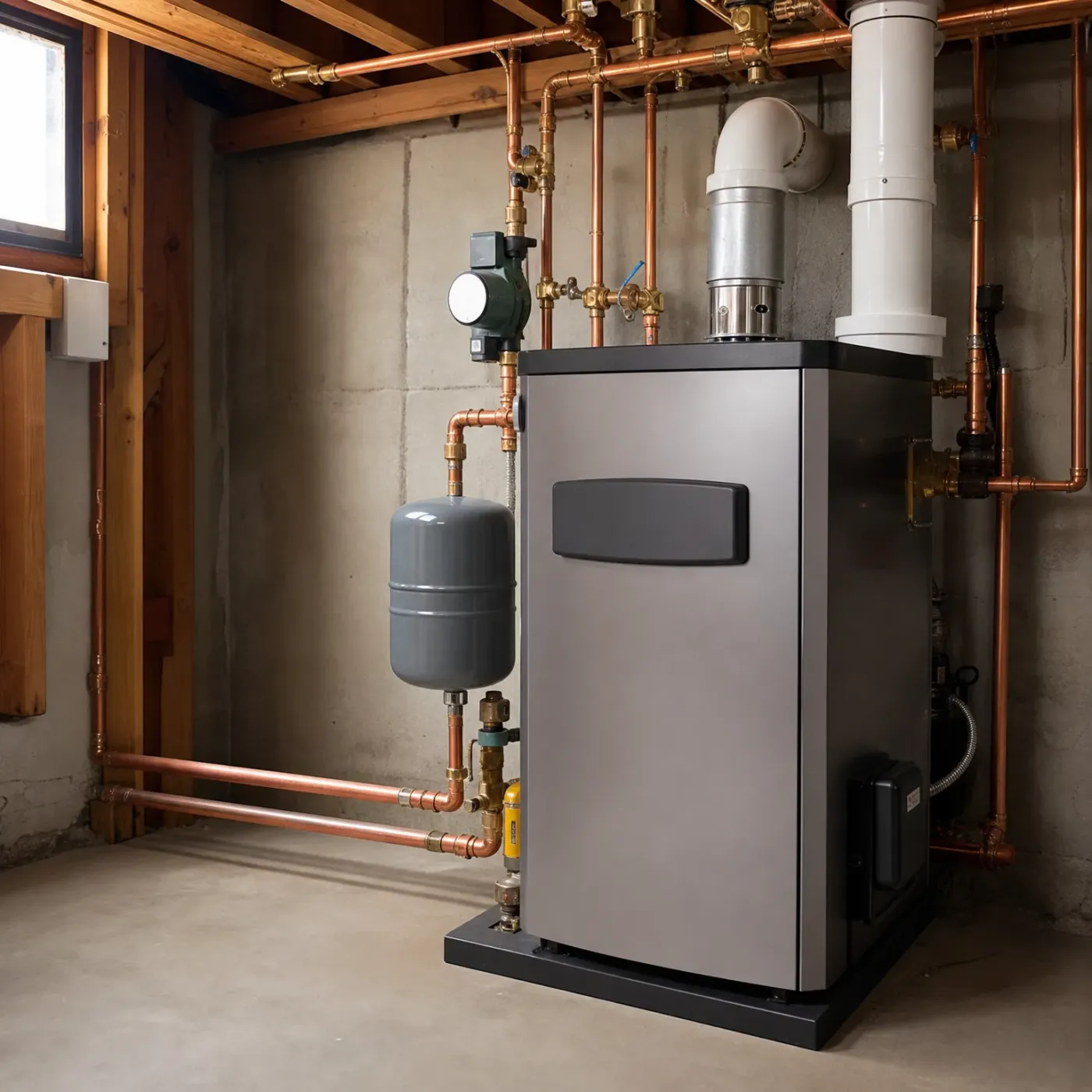
A grey floor-standing boiler with a metal flue and copper pipework, valves and a pressure gauge stands in the corner of a room with plain light walls and a concrete floor.

Where the water actually goes

A boiler loses pressure one of two ways. Either water is leaking out somewhere, at a valve, a fitting, the circulator pump seal, or a pinhole in a pipe, or it's escaping as steam through the pressure relief valve because the system got too hot or too full. One leaves a wet spot you can find. The other leaves nothing to see, just a gauge that keeps dropping and a relief valve that did its job.

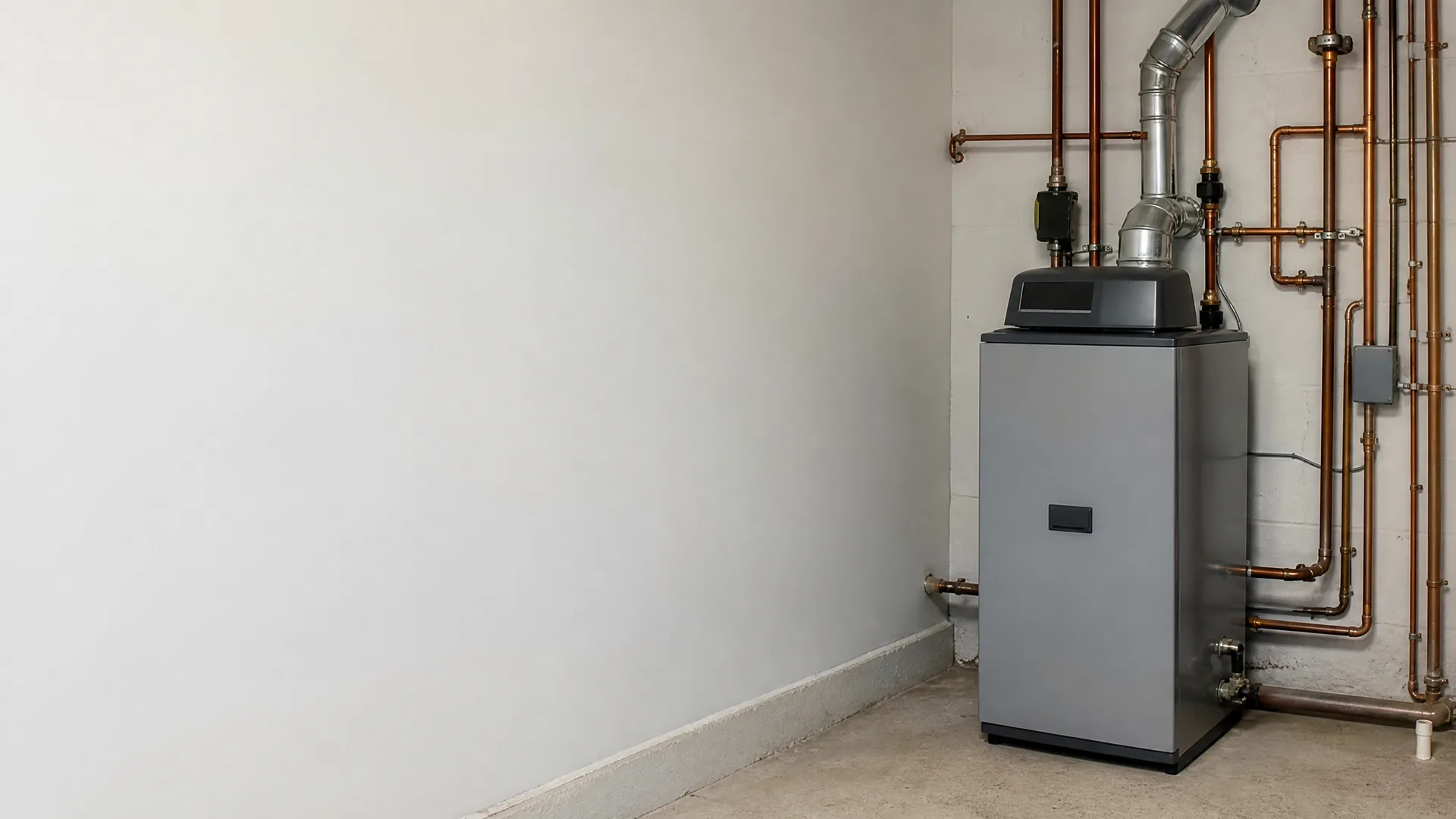
A gray floor-standing boiler with a metal flue pipe stands in the corner of a plain painted basement room, connected to copper pipes running along the wall.

What a slow drop usually means

If the gauge falls over weeks instead of days, the leak is probably small, maybe a few drops a day from a joint or valve that only weeps under pressure. That's easy to miss since nothing ever puddles. A fast drop, pressure gone in a day or two, points to something bigger: a fitting that's failed outright or a relief valve stuck open. Either way the boiler is losing water it needs to move heat through the radiators.

A woman in a cream sweater and jeans stands in the open doorway of a white stucco house, holding the dark door, while a man in a dark quilted jacket seen from behind walks toward the entry past potted plants.

What the pressure gauge is actually telling you

A boiler is a closed loop. The water in it doesn't get used up and replaced like water from a tap, it just moves heat around, out to the radiators and back. The pressure gauge is reading how much that water is squeezed into the pipes. When you top it off, you're adding water back into a system that's sealed everywhere else, which is why a slow drop over weeks points to a leak somewhere in that loop rather than normal use.

The expansion tank plays into this too. It's a small tank, usually near the boiler, half filled with air, that gives the water somewhere to go as it heats and expands. If the bladder inside that tank has failed, the system can't absorb pressure changes the way it's supposed to, and the gauge swings further than it should in both directions. Telling a pinhole leak apart from a bad expansion tank from a stuck fill valve takes someone looking at your actual system, not guesswork over the phone. That's the kind of thing worth having a contractor who knows these systems take a look at directly.

A gray upholstered sofa with a matching cushion sits beside a potted plant and a wooden table holding a small green plant in a stone pot, near a curtained window.
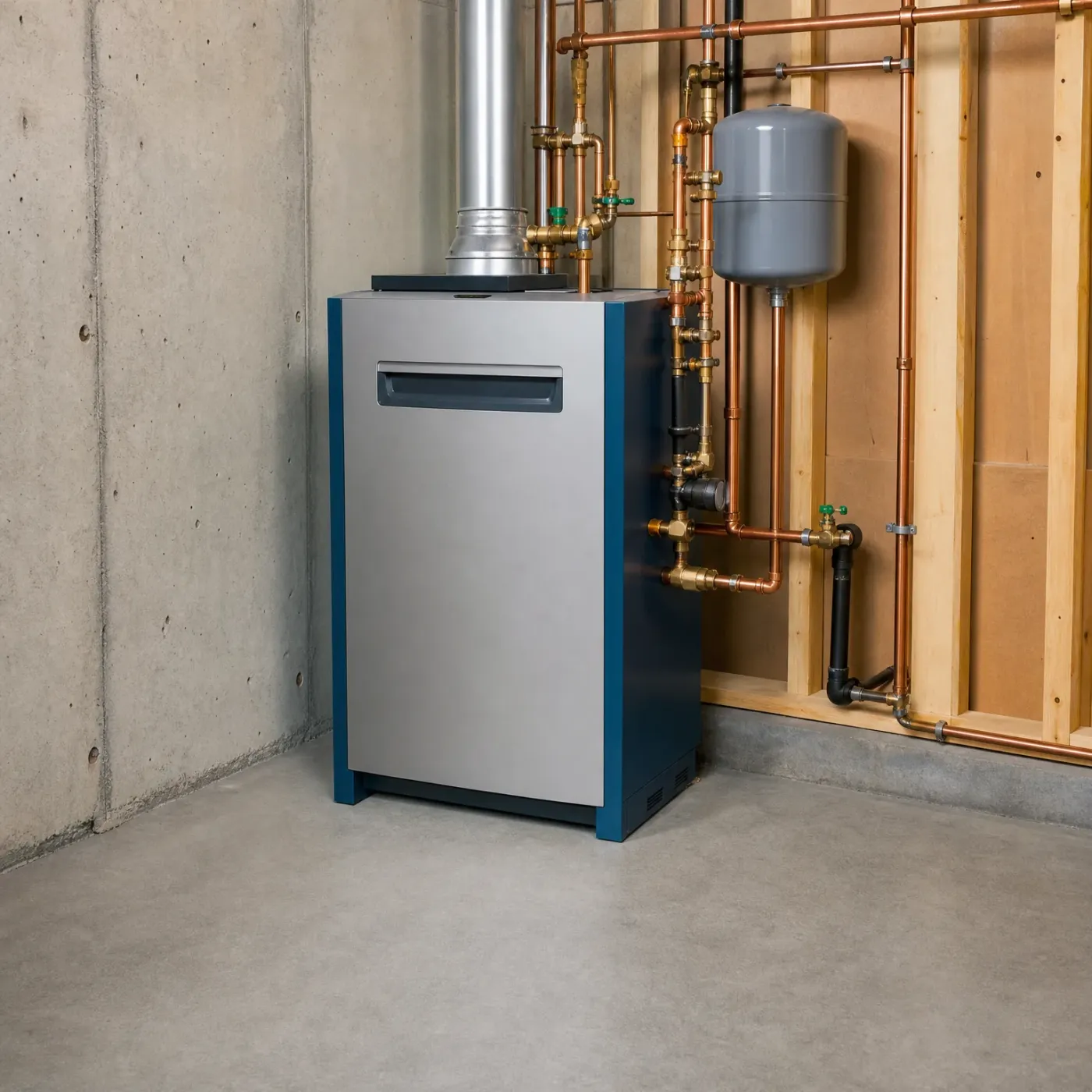
A gray and blue floor-standing boiler in a basement corner, with a metal flue pipe and copper and black piping, valves, and a gray expansion tank mounted on an unfinished wood-framed wall beside a concrete wall.

Holding steady

This is what a system under correct pressure looks like: the gauge in range, the copper and black iron runs tight at every joint, the expansion tank doing its job on the wall. No drips at the fittings, no corrosion creeping down from a valve. Nothing to check twice.

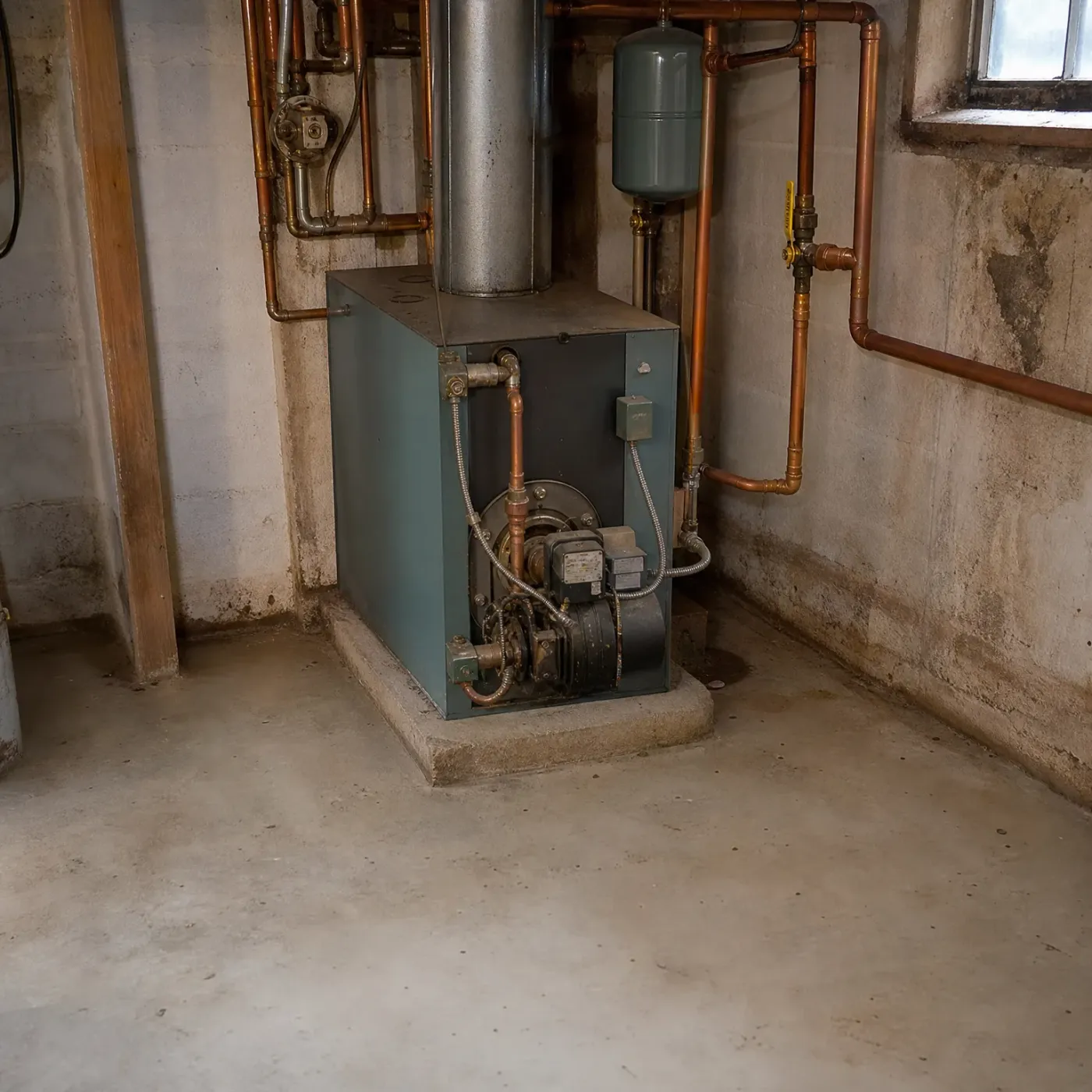
A green oil-fired boiler with a flue pipe, burner and circulator pumps sits on a concrete pad in a basement corner, surrounded by copper piping and an expansion tank against concrete walls.

Running low

This is a boiler on its way to another call. A slow leak at a fitting or the relief valve lets water out a little at a time, and the gauge creeps down between refills. By the time you notice, the pattern has probably been going on for a while.

A woman in a cream sweater with her hair in a bun laughs while seated at a stone counter holding a glass of red wine, in a dimly lit interior with a sofa, houseplants and a large window at night.
A woman with long dark hair in a cream knit sweater laughs while looking off to the side, seated in front of a dimly lit kitchen with an island, stools, open shelving and a potted plant, with a glass of red wine in the foreground.
A smiling woman with long dark wavy hair in a light knit sweater sits at a marble counter with a glass of red wine, with a dimly lit living room and kitchen in the background.
A smiling woman with long wavy brown hair in a beige sweater sits at a white marble counter with a glass of red wine, with a living room, dining table and kitchen cabinets behind her.
A gray boiler on a black base in a basement with concrete walls, connected to copper piping, a circulator pump, a gray expansion tank, and white and metal flue vent pipes.

Get the right pro for your boiler

Skip searching for a boiler pro and answer a few questions instead.

Describe your boiler job, and a local pro who handles it gets in touch.

Start one form

Asking costs nothing, and the choice to hire stays yours.

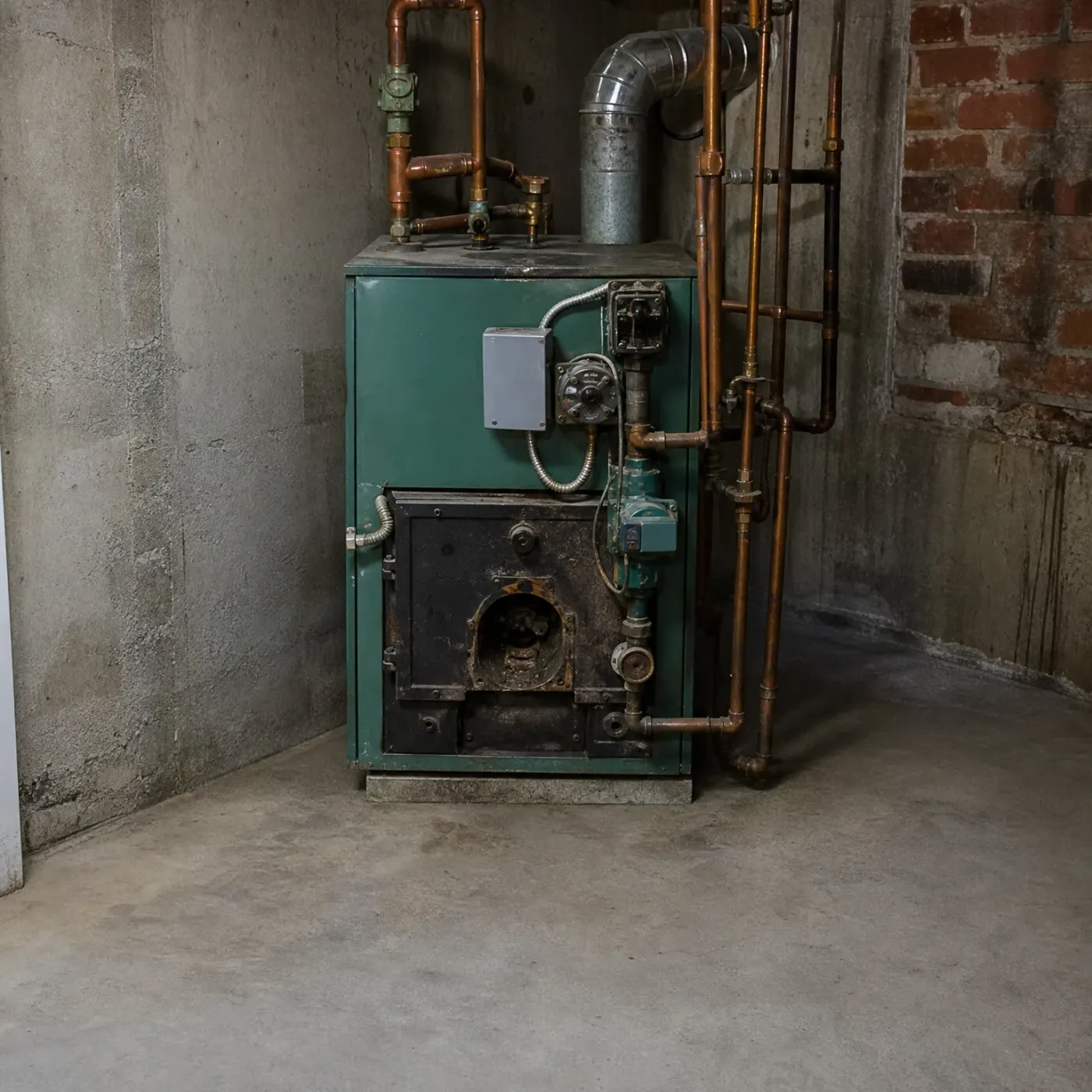
A green cast-iron boiler with a soot-stained front door, copper piping and a metal flue, standing on a concrete floor in a basement corner with concrete and brick walls.
Before you get your boiler repair
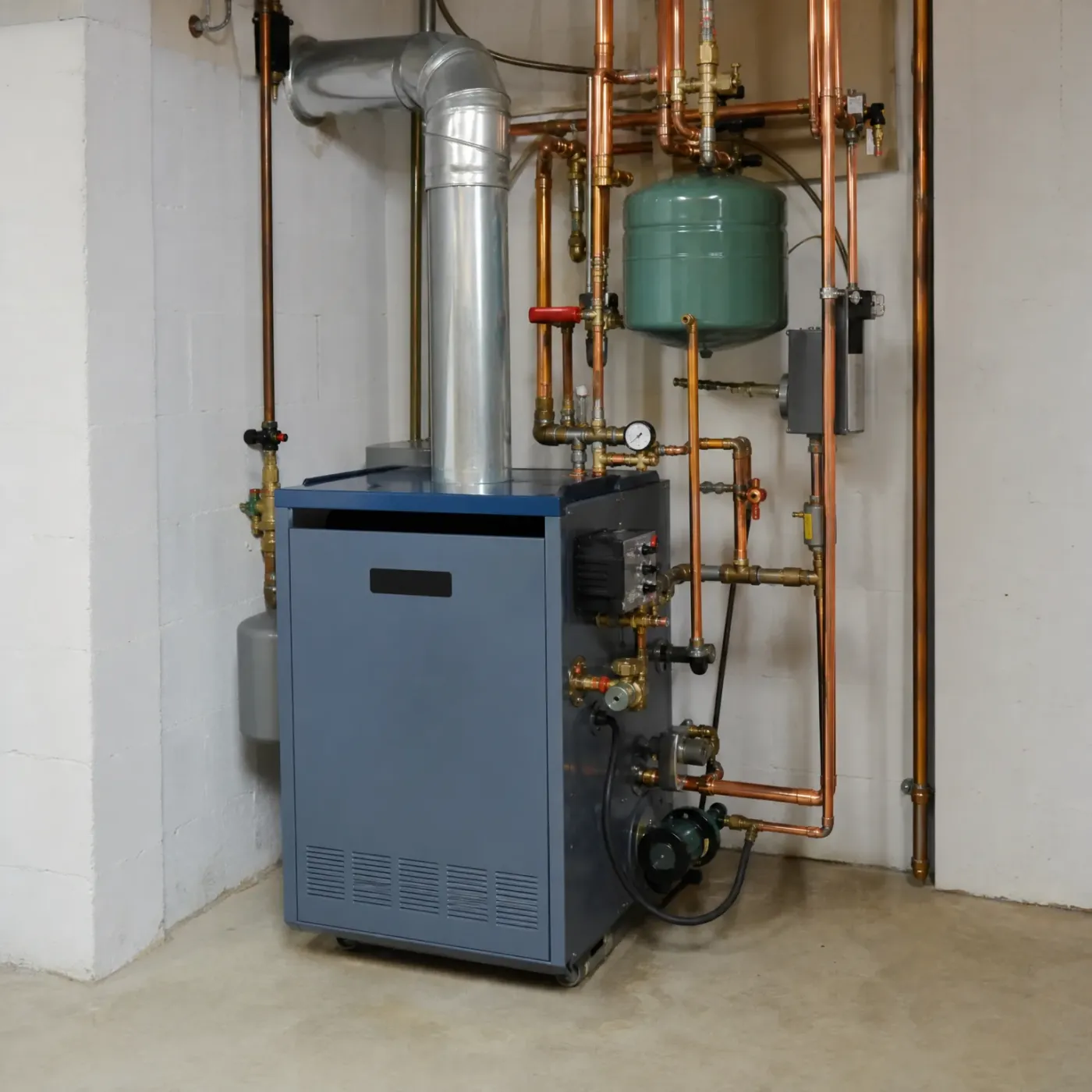
A blue-gray residential boiler in a basement corner, connected to copper piping, a green expansion tank, a circulator pump, gauges, and a metal flue pipe against painted block walls.
After you get your boiler repair

A slow pressure leak can sit quiet for months and then show up as a cold radiator on the one week it drops below zero, because the circulator can't push water through a system that's lost its seal.

Find the leak, fix the valve or fitting, and the gauge holds where you set it. No more topping off every other week, no more guessing whether tonight's the night it drops low enough to shut the burner off.

A smiling bearded man in a navy crewneck sweater sits at a dinner table with a glass of red wine, plates and glasses in the foreground, in a dimly lit room with a lamp and framed picture behind him.
A woman in a dark gray sweater reclines on a light sofa with eyes closed and a slight smile, under a textured gray blanket with an open book resting on her lap, with a lit table lamp and plant in the background.

Topping it off yourself

You keep the fill valve in mind. Once a week, maybe twice, you check the gauge and crack it open until the needle climbs back to 12 or 15 psi. You've learned where the valve is, how far to turn it, how long to wait before it holds. It works, for a day or two, until the needle starts sliding again. You're the one doing the job the pressure relief valve or a bad fitting should be doing on its own, and you're doing it in February, in the basement, instead of upstairs where it's warm.

Getting it diagnosed and fixed

A contractor traces where the water is actually going, whether that's a weeping valve, a fitting that's given out, or the pressure relief valve doing its job because something upstream is set wrong. Once that's found and repaired, the gauge holds where it's supposed to without you touching it. You stop checking it every few days. You stop keeping a mental log of when you last topped it off. The system runs the way it's built to, and the basement stops being a place you have to visit on a schedule.

Winter nights average 17°F statewide

Those overnight lows near 17°F mean your boiler is firing on and off for hours every night, all winter. Every one of those cycles pushes pressure up as the water heats, then pulls it back down as it cools. A system already losing water can't recover from that many swings before morning.

NOAA nClimDiv 1991-2020 county normals weighted by homes

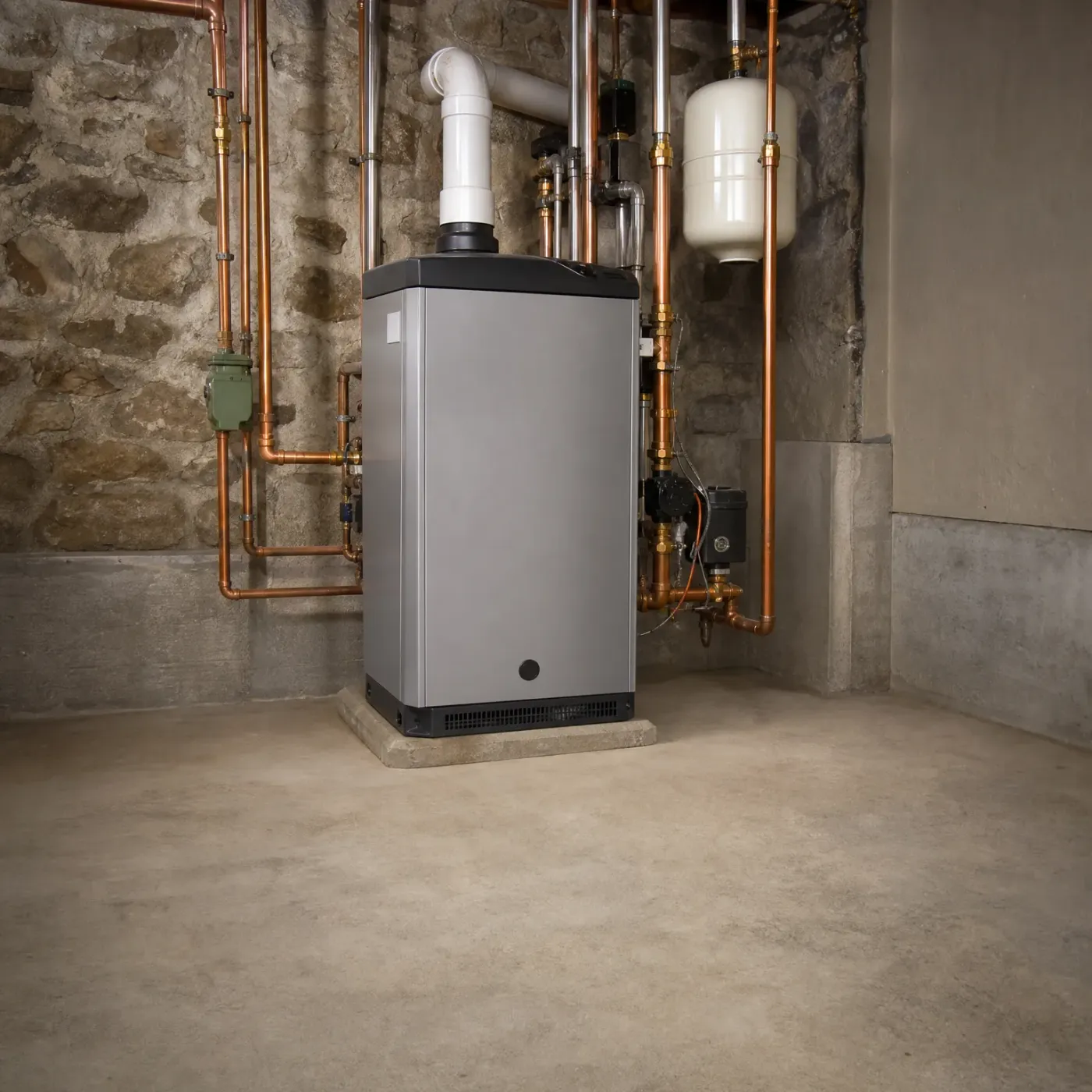
A gray floor-standing boiler on a concrete pad in a basement, connected to copper pipes, a white expansion tank, and a white PVC vent against a stone and concrete wall.

Holding its pressure

This is a system doing what it should. The gauge sits where it belongs, the copper and brass joints are dry, and the expansion tank is doing its job. Water cycles through the loop and comes back without losing anything along the way, winter after winter.

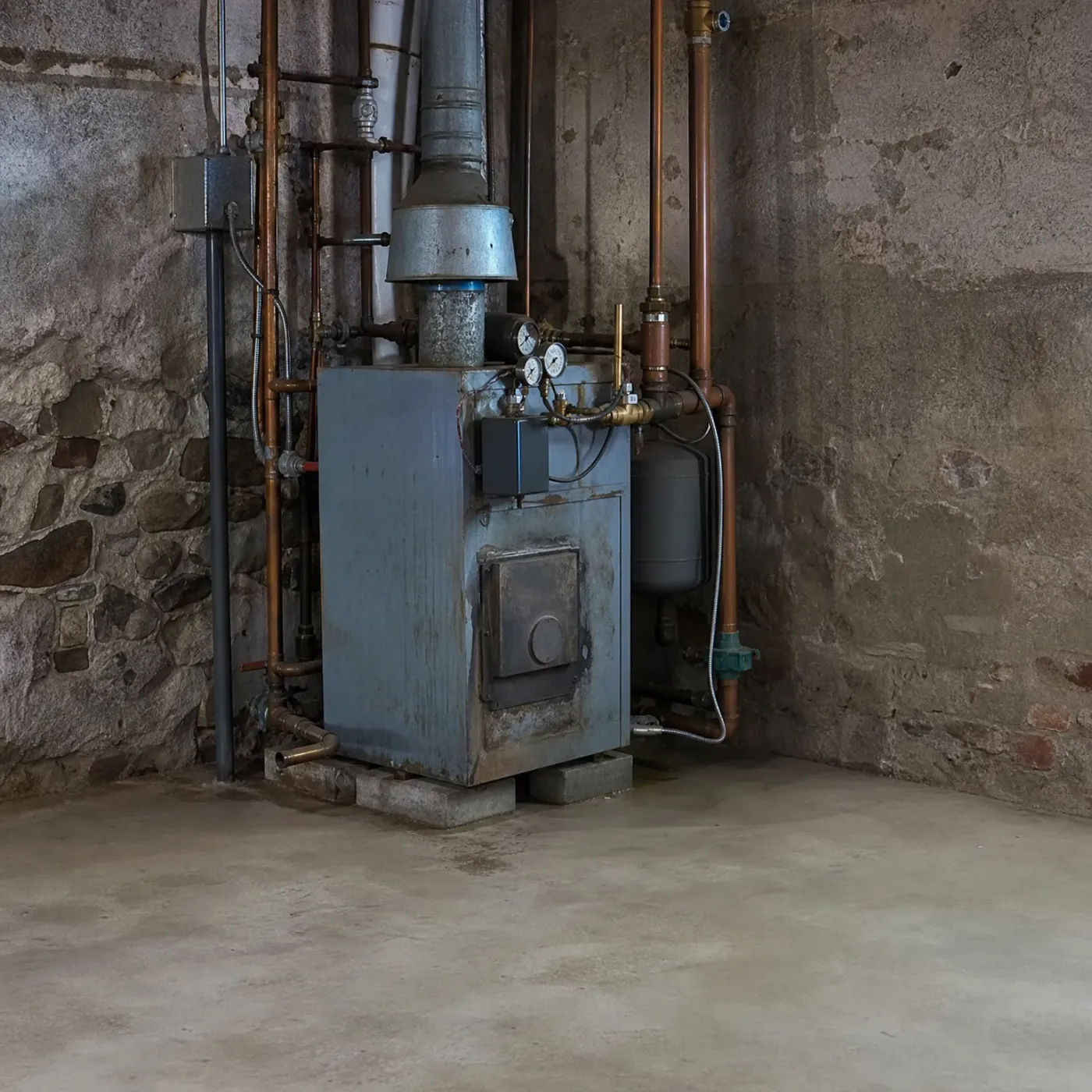
An older gray boiler with a metal flue, copper piping, pressure gauges and an expansion tank sits on concrete blocks in a basement corner with stone and concrete walls.

Losing its pressure

This older cast iron boiler is the kind that starts needing water added every week or two. A joint has worked loose somewhere, or the relief valve is weeping, and the gauge keeps drifting down no matter how many times you top it off.

Keep Topping Off, or Fix the Leak

Topping it off yourself

  • You're back at the fill valve every week, sometimes twice, watching the needle climb to 12 or 15 psi before you shut it again.
  • You never find out where the water is actually going, so you can't tell if it's a slow drip or the pressure relief valve doing its job too often.
  • Adding fresh water this often brings in minerals that settle inside the pipes and the heat exchanger over time.
  • A radiator that stays cold even after you've topped off the system usually means trapped air or a closed valve, not something the fill valve fixes.
  • You're guessing at the right pressure every time, since the correct range depends on the size of your system and where the expansion tank sits.

Getting the leak found and fixed

  • A contractor pressure tests the loop and traces the water to the valve, fitting or pump seal that's actually letting it out.
  • Once the leak is sealed, the gauge holds between fills instead of drifting down every few days.
  • You stop guessing whether a cold radiator is air, a leak, or something else, because the diagnosis covers the whole system at once.
  • Finding and fixing the source means you're not adding mineral-heavy water into the loop every week.
  • You're matched with a contractor who handles the diagnosis and the repair, so you're not calling around or explaining the gauge readings more than once.
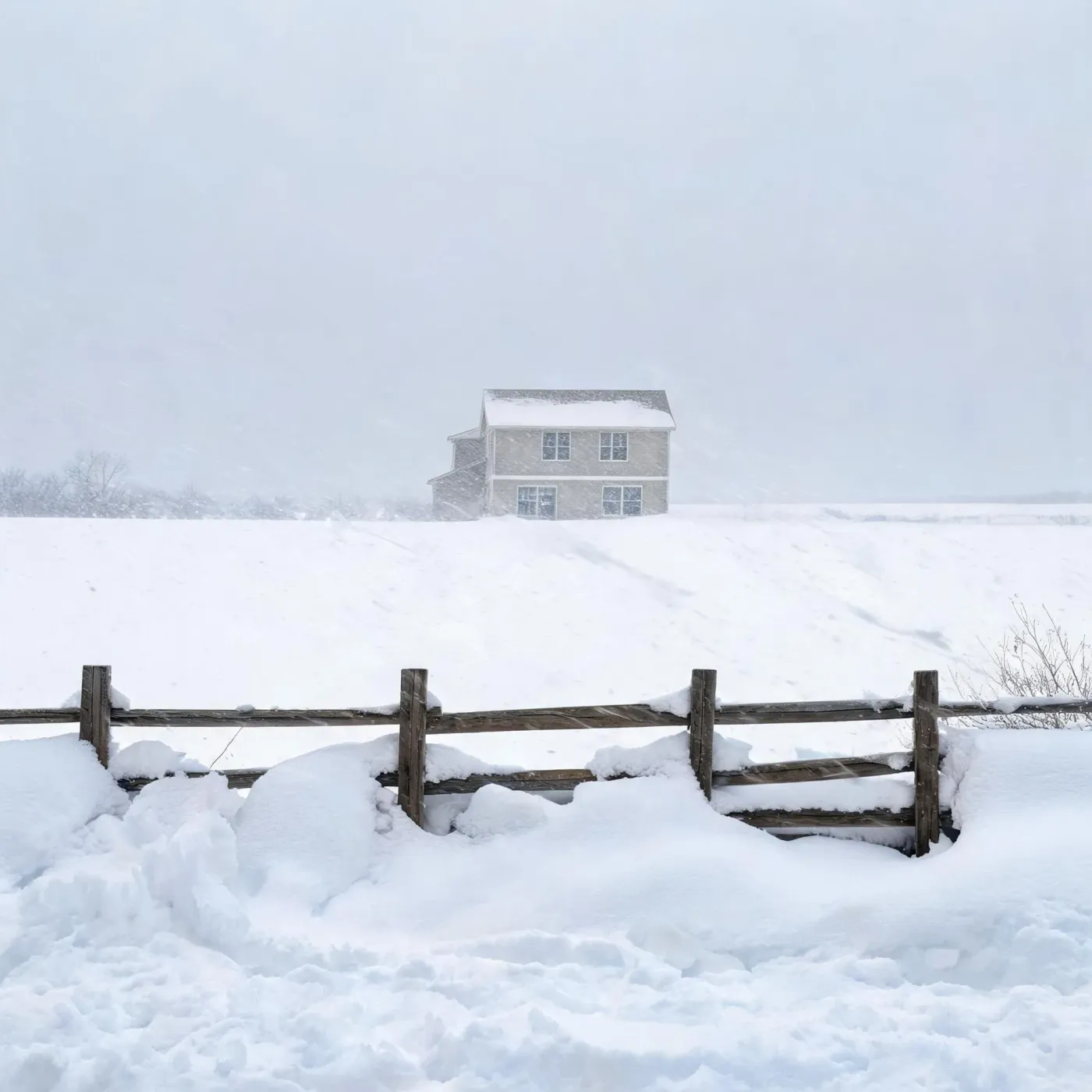
A two-story house with a snow-covered roof stands on a snow-covered field in falling snow, with a partly buried wooden rail fence in the foreground and a pale hazy sky behind.

Statewide, winter nights average 17°F, according to NOAA climate data. At that temperature your boiler isn't cycling once or twice an evening, it's firing over and over from dusk until the thermostat backs off at dawn. Each cycle heats the water, pressure climbs, then it cools and pressure falls again. A system holding a tight seal rides that out fine. One that's already losing water at a fitting or the relief valve doesn't get the chance to settle before the next cycle starts, so the gauge keeps drifting lower through the night. That's why the problem tends to show up worse on the coldest nights, not the mild ones.

NOAA nClimDiv 1991-2020 county normals weighted by homes

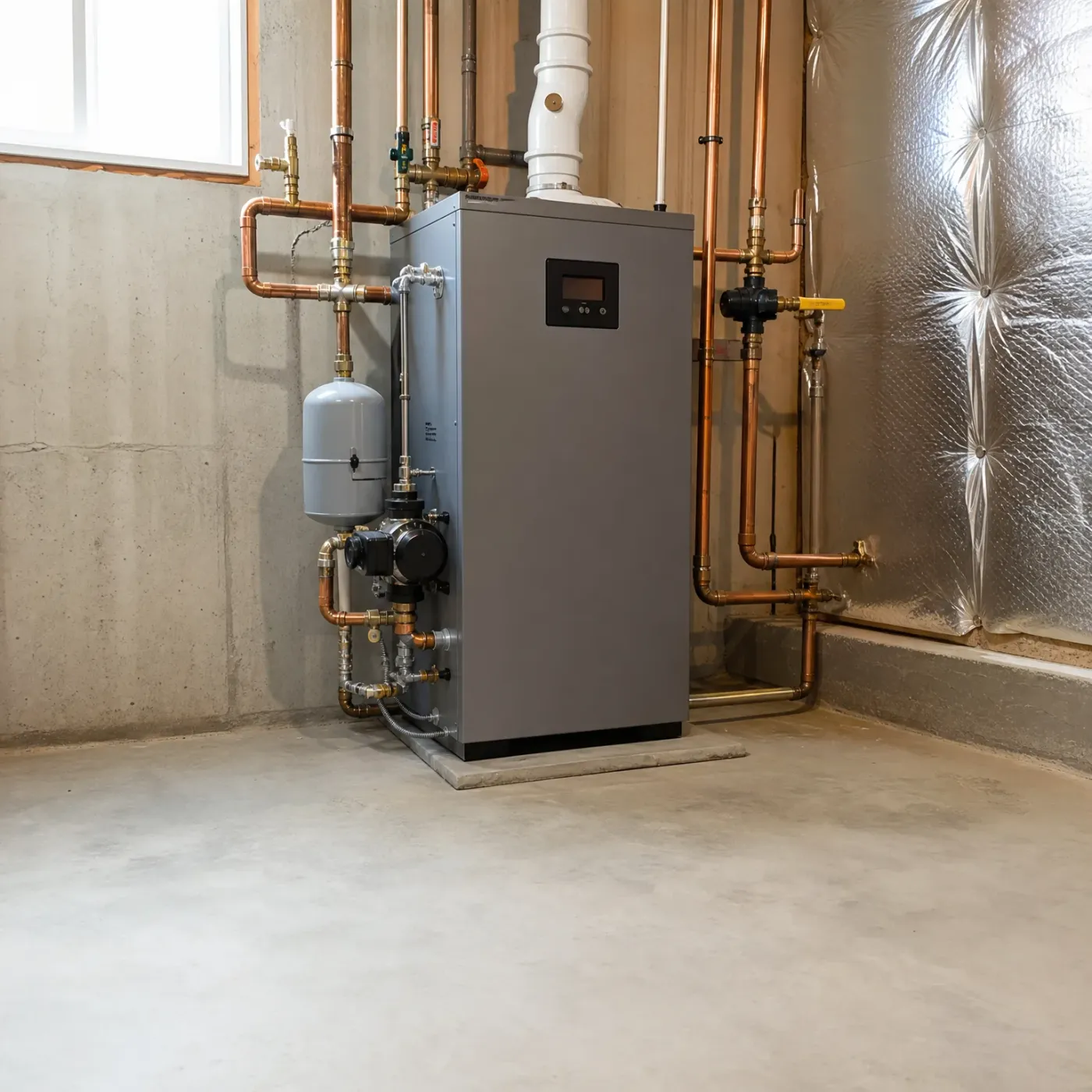
A gray boiler unit with a digital display stands on a concrete basement floor, connected to copper piping, a gas valve, a circulator pump and an expansion tank, beside a concrete wall and foil-faced insulation.
A boiler holding pressure the way it's supposed to: gauge steady, copper joints dry, the expansion tank doing its job on the wall.
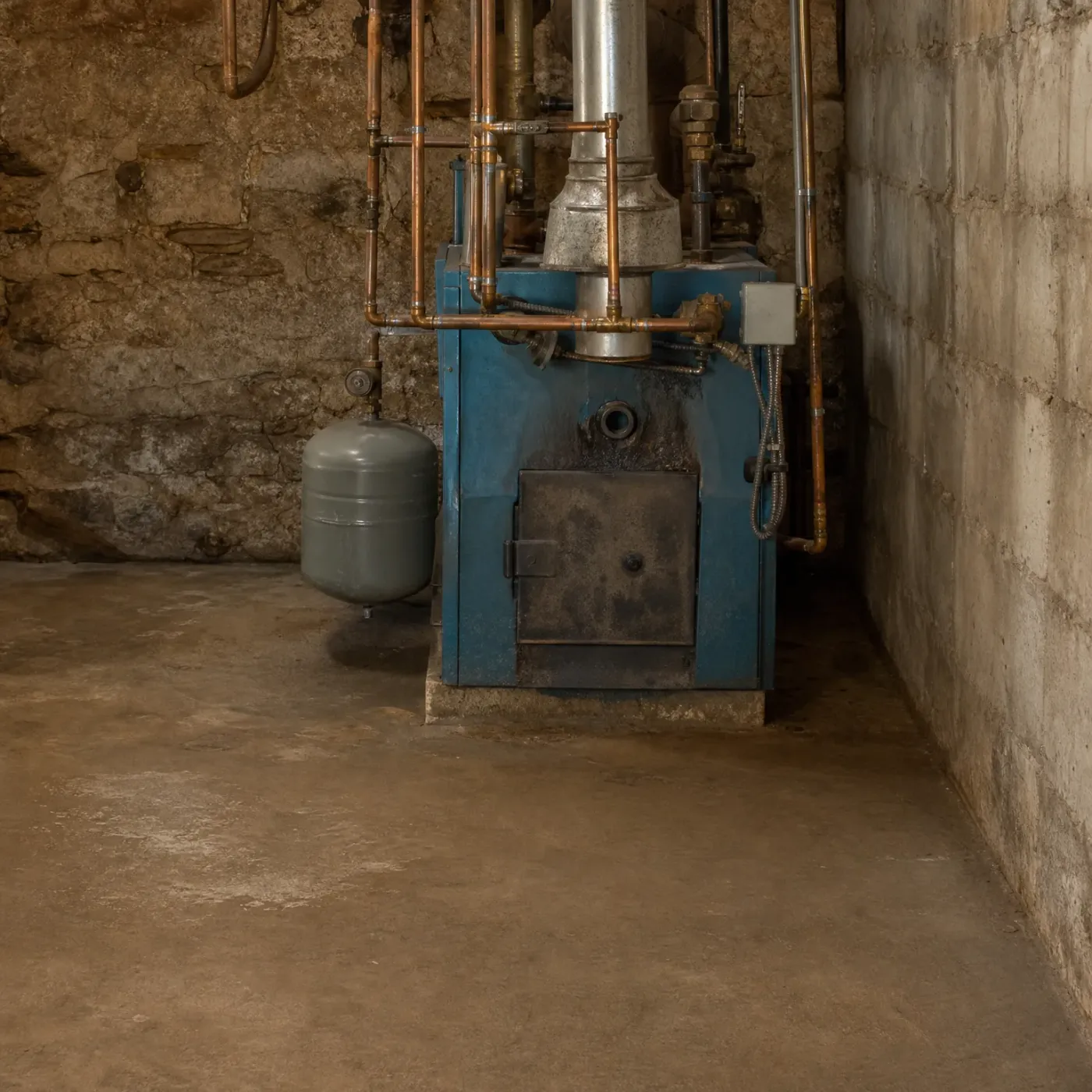
A blue cast-iron boiler with a metal flue pipe and copper piping stands against a stone and concrete block basement wall beside a gray expansion tank on a bare concrete floor.
An old cast-iron boiler with a corroded access door, a bare expansion tank on the floor beside it, nothing left to hide the years of wear.

A boiler that holds pressure doesn't ask for your attention. One that keeps dropping is telling you water is leaving the loop somewhere, through a fitting, a valve, the relief valve, or a seal, and no amount of topping it off fixes that. Topping it off just buys you another week before the gauge drifts down again. Finding where the water is actually going means someone tracing the system joint by joint, which isn't a Saturday project you take on between other things. That's the part that gets handled once you're matched with a contractor who knows gas boilers and Nebraska winters: no scrolling through listings trying to guess who's reliable, no calling three places and repeating the same description of a gurgling pipe and a gauge stuck at 5 psi, no stack of quotes to sort through on your own. You've already done the work of noticing the pattern and checking the gauge. What's left is the part where someone shows up, finds the leak, and closes the loop for good. That's the next step, not another thing added to your evenings.

A covered porch with a wood front door with six upper glass panes, a lantern wall sconce, tapered column on a stone base, potted ferns and flowers, a woven doormat, and wide steps leading to a paver walkway bordered by shrubs and white hydrangeas.
A beige upholstered sofa with a cream cushion and chunky knit throw sits beside a white-framed window, with a leafy potted plant in a stone vase against a tan wall.
Sunlit corner of a room with a linen curtain beside a window, built-in shelves holding ceramic vases, wooden bowls, a potted green plant, stacked books and a woven basket, above a textured rug.
A dark wood three-drawer dresser against a pale wall holds a tall ceramic vase with leafy branches, stacked books and a shallow bowl, with a framed print above, a woven basket on the wood floor at left, and an upholstered sofa with a green pillow in the foreground.
A cream upholstered sofa with a textured ivory cushion and a rust-colored cushion sits beside a window with sheer linen curtains, with a potted leafy plant behind it and a wooden bowl on a wood table in the foreground.

A pro who works on boilers

One form replaces the calls you'd make to find a boiler pro.

Skip calling around

No fee to send it, and nothing to sign.