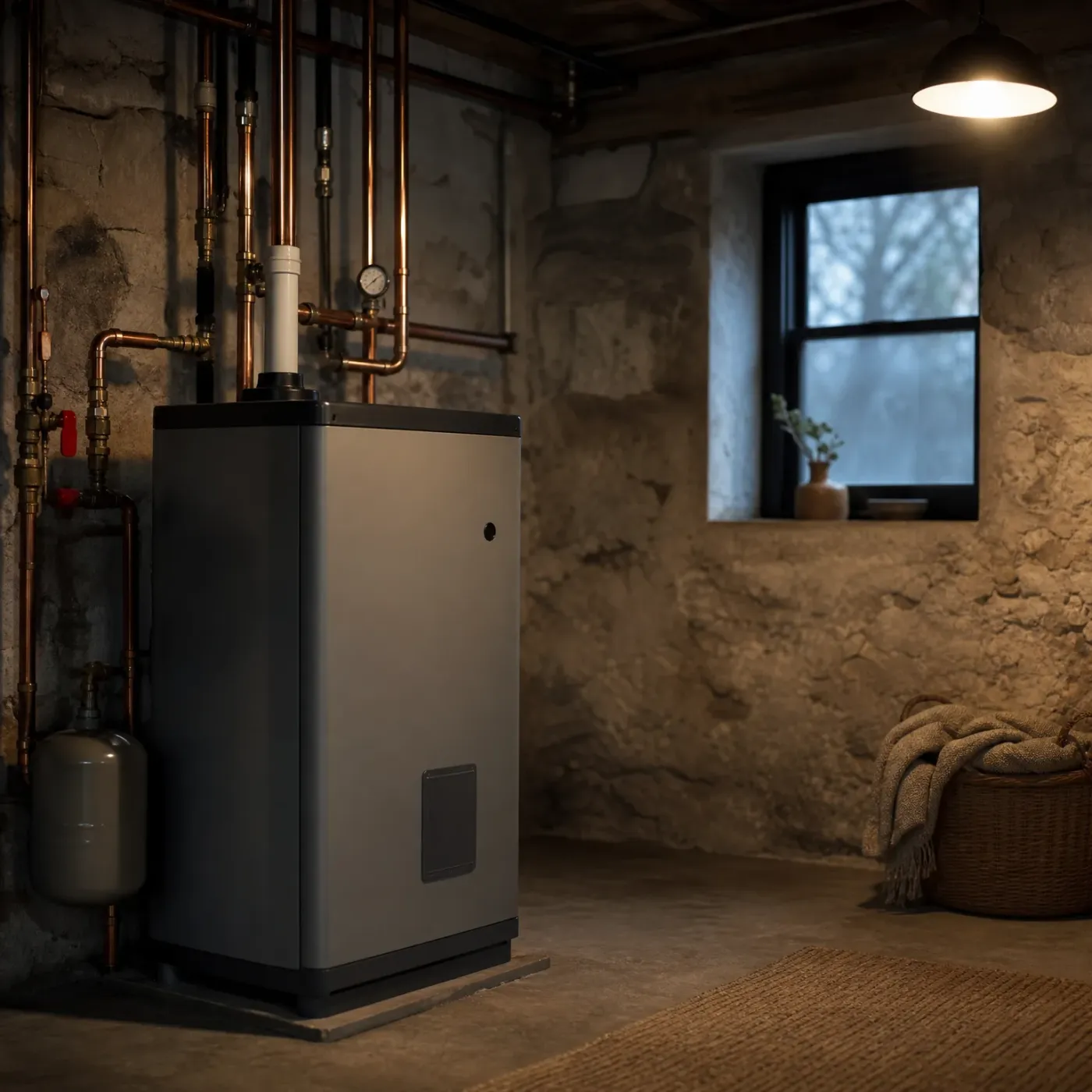





A gray floor-standing boiler with copper pipework, valves and a pressure gauge in a stone-walled basement, beside a small window and a wicker basket with a blanket.

Describe it once

Why your boiler relief valve is leaking in Nebraska

A relief valve lets go when pressure or temperature inside the boiler goes past what it's built to handle, and sometimes when it's just worn out. This page gets into what's behind it and what it means for your system. Skip the search for a boiler contractor in your area, the calls, and repeating the problem to every company that picks up.

Skip the calls

A relief valve leaks because something is pushing water pressure or temperature in your boiler past its limit, or because the valve itself has worn out and can no longer hold a seal. The most common cause is pressure that has crept up over time, often from a bad expansion tank that's no longer absorbing that pressure the way it should. Gas-fired boilers like most Nebraska homes run cycle on and off all winter, and that constant heating and cooling stresses the valve's seal a little more each season. A valve that drips now and then is doing its job, releasing pressure before something worse happens. One that runs steadily, or won't stop, means the pressure behind it is still too high or the valve has failed outright. Either way it needs a look before the heat kicks back on for good, because a relief valve is the boiler's last safeguard against a real pressure problem.

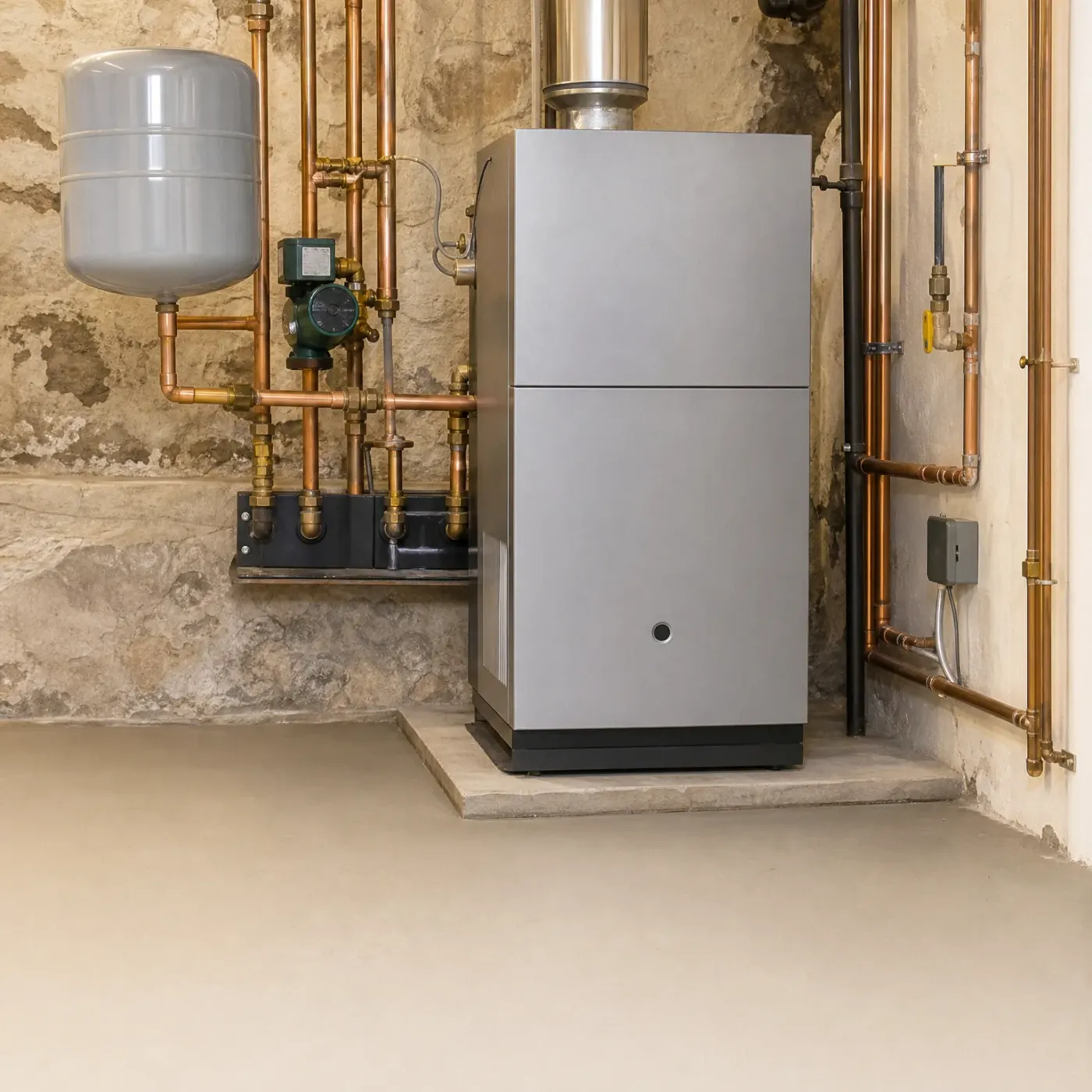
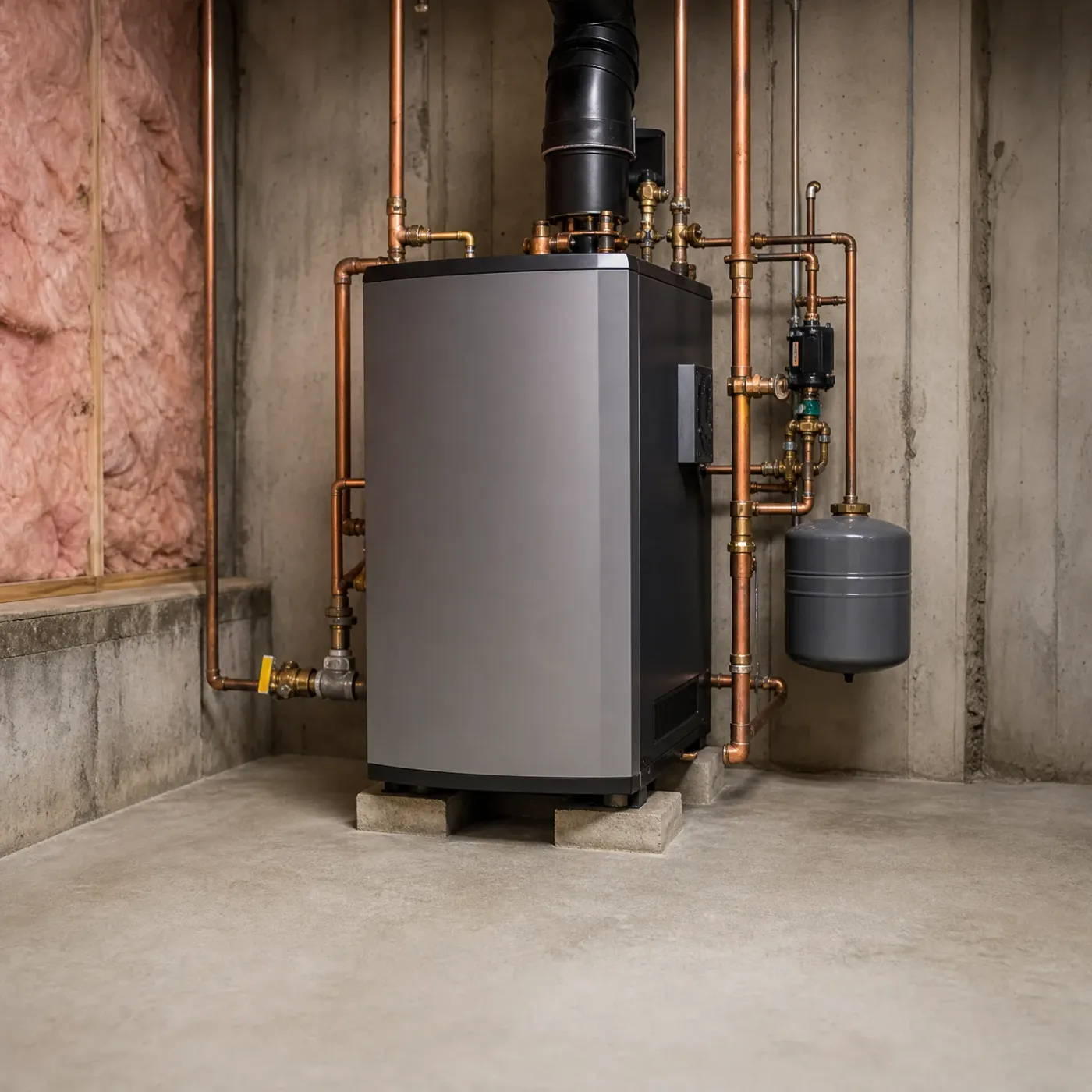
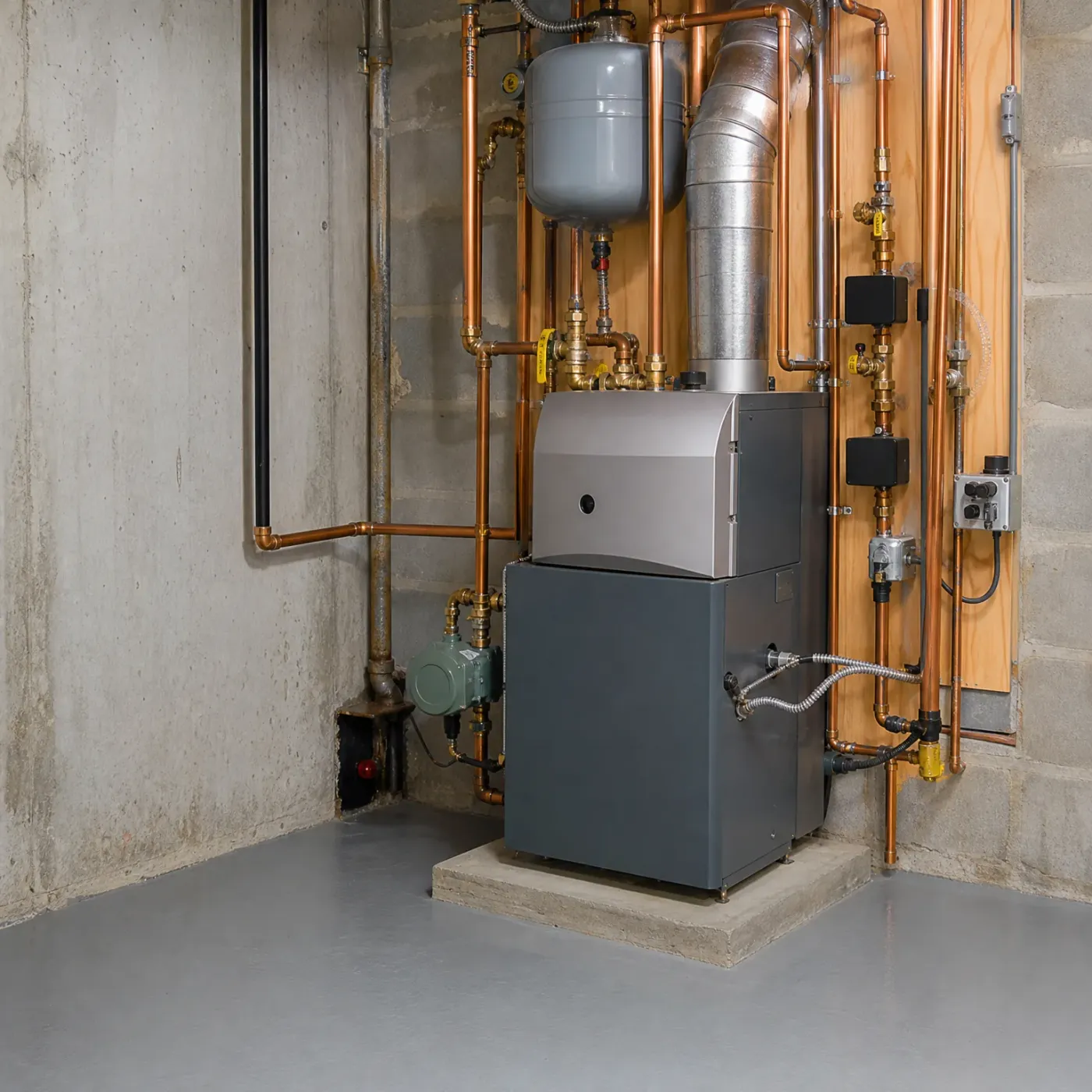
A gray and black boiler unit sits on concrete blocks in a basement corner, connected to copper piping, valves, a black flue duct, and a gray expansion tank, with bare concrete walls and exposed pink insulation at left.
Pressure stays where it belongs, the expansion tank does its job, and the valve stays dry.
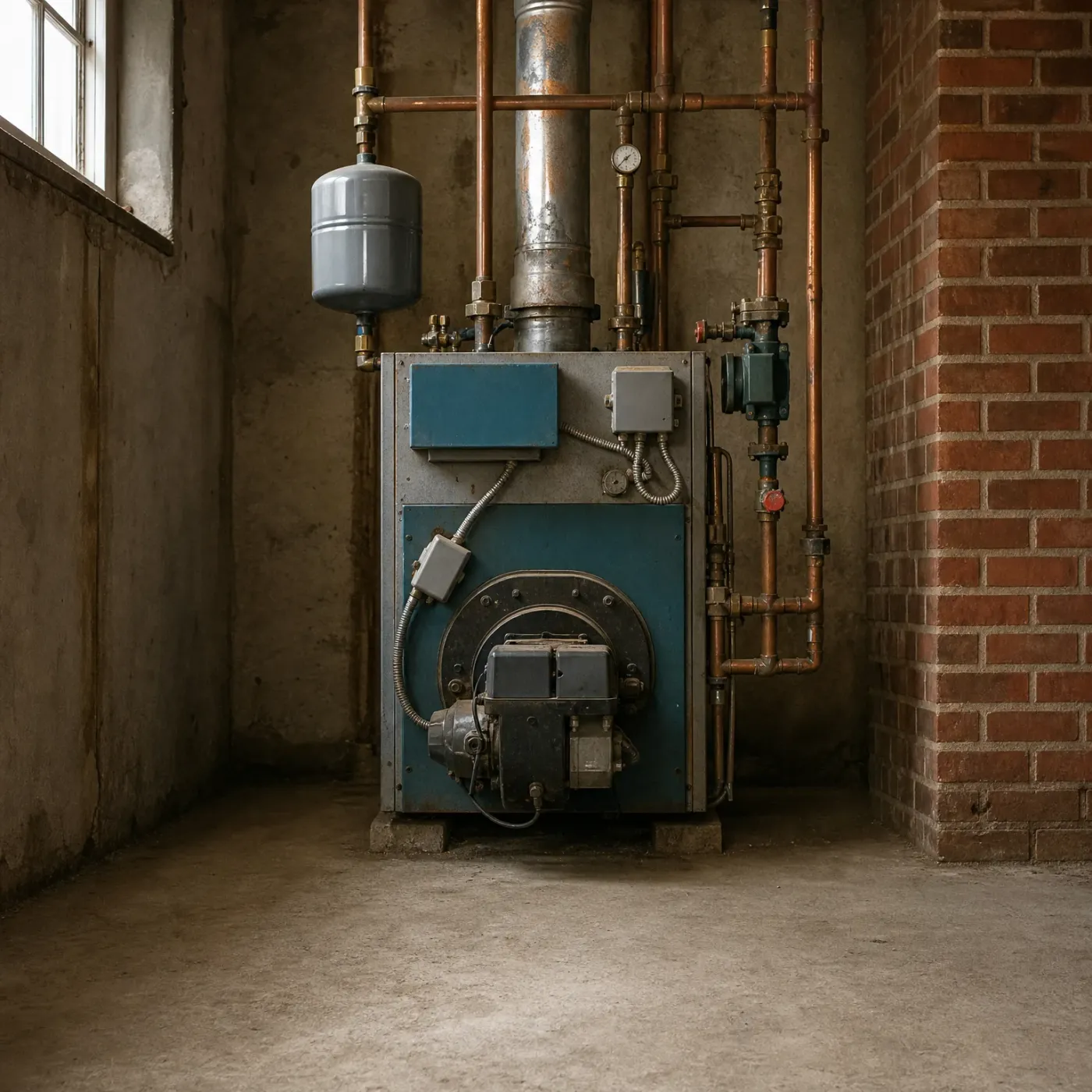
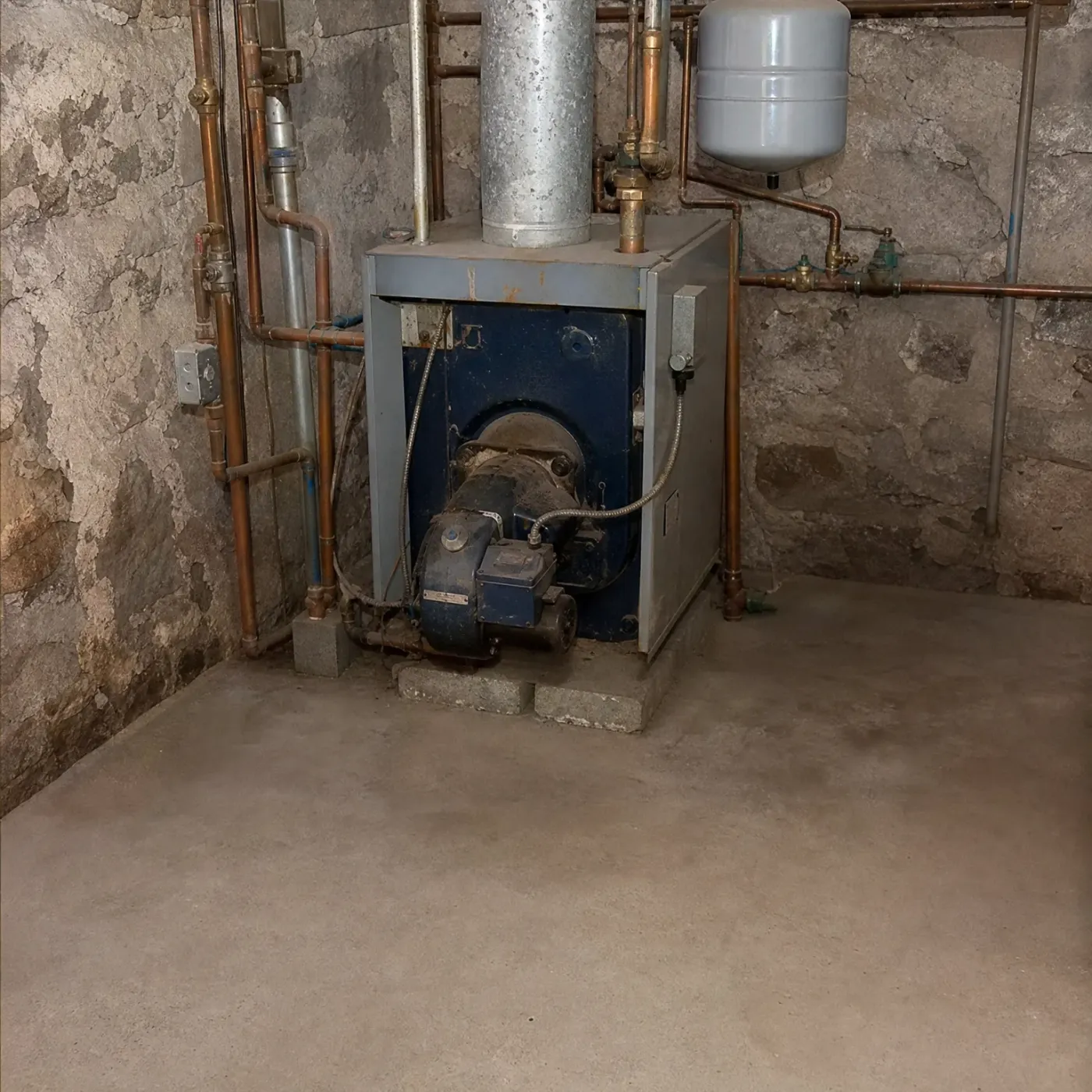
An oil-fired boiler with a blue and gray cabinet and burner sits on concrete blocks in a basement corner with stone walls, connected to copper pipes, a metal flue, and a wall-mounted expansion tank.
A valve that keeps dripping under a worn system like this has likely lost its seal and needs a licensed eye on it.

How the Relief Valve Actually Fails

  • The relief valve sits near the top of the boiler, set to open at a fixed pressure, usually around 30 psi on most residential units.
  • Water pressure builds when the expansion tank loses its air charge, so the tank can't absorb the water as it heats and expands.
  • A bladder failure inside the expansion tank lets water fill the space meant for air, and the valve starts taking on the extra load.
  • Backflow from the fill valve, left open or stuck, keeps feeding the system water it doesn't need and pressure keeps climbing.
  • The seat inside the valve is brass or rubber, and years of mineral buildup from the water passing through can keep it from closing all the way.
  • A valve that opens once under true overpressure can reseat fine, but one that drips with normal pressure has a seat that's already worn.

The relief valve is a safety part, not a wear part, so it's built to stay closed until something pushes it past its limit. It sits near the top of the boiler, spring-loaded to hold until pressure reaches around 30 psi on most residential units. Under the lid is the expansion tank, a sealed chamber with a bladder and an air charge that gives hot water somewhere to go as it expands. When that air charge leaks out over the years, the bladder fills with water instead of cushioning it, and the tank stops doing its job. Pressure in the loop climbs with nowhere to go, and the relief valve opens because that's exactly what it's designed to do. A stuck or partly open fill valve causes the same thing from a different direction, feeding the system water it doesn't need until pressure builds past the set point. None of that is the valve's fault. The valve itself fails a different way. Inside it is a seat, brass or rubber depending on the make, that has to close flush to hold a seal. Years of mineral deposits from the water passing through can pit that seat or keep debris wedged in it, so it never fully closes again. A valve that opens once under real overpressure and then reseats cleanly is doing its job. One that keeps dripping once pressure is back to normal has a seat that's already gone.

A gray-haired bearded man in a dark knit sweater sits on a light gray sofa in a sunlit living room, looking to his left, with a framed artwork, a potted palm, and a curtained glass door behind him.
A middle-aged man in a dark green sweater sits on a light grey sofa looking toward a sunlit window, with a wooden shelving unit, lamp and potted plants in the background.
A man in a dark green sweater sits on a light grey sofa in a sunlit living room, looking to his left, with a shelving unit, houseplants, framed art and a large window behind him.
A gray-haired bearded man in a dark green sweater sits on a light gray sofa in a sunlit living room with a potted plant, framed picture, and dark shelving in the background.

No phone calls to make

Your request stays with one local pro.

Asking costs nothing, and the choice to hire stays yours.

Why a drip means the seal is gone

Once a relief valve opens from too much pressure, a bit of mineral grit can lodge in the seat on the way back down. That's enough to keep it from closing fully, so it weeps even after pressure drops back to normal. The brass seat and rubber washer inside wear with every cycle, and age alone will eventually let water pass. At that point raising or lowering pressure doesn't change anything. The valve has to be replaced, not just reset or tightened.
What a boiler tech checks first

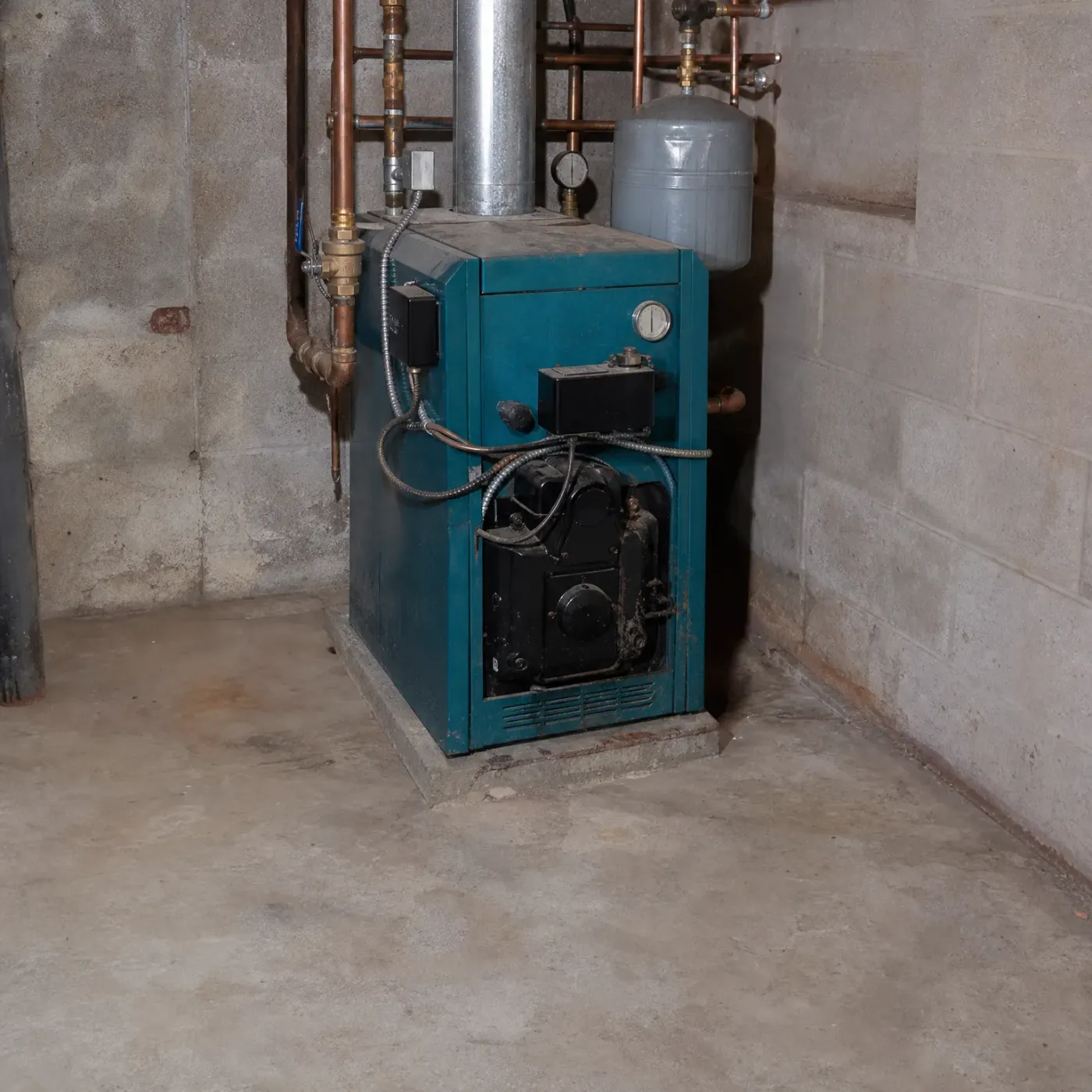
A licensed tech starts at the gauge, reading your system's static pressure against the 30 psi most valves are set to release at. From there it's the expansion tank, tapping it to hear if the air charge sounds right or checking the air valve with a tire gauge. If pressure is normal and the tank is good, the valve itself gets pulled and inspected for a worn seat. That order rules things out fast instead of guessing which part is at fault.

A teal boiler with a pressure gauge and black burner unit sits on a concrete pad in a basement corner, with copper pipes, a flue vent, and a gray expansion tank above against concrete block walls.
Before you get your boiler repair
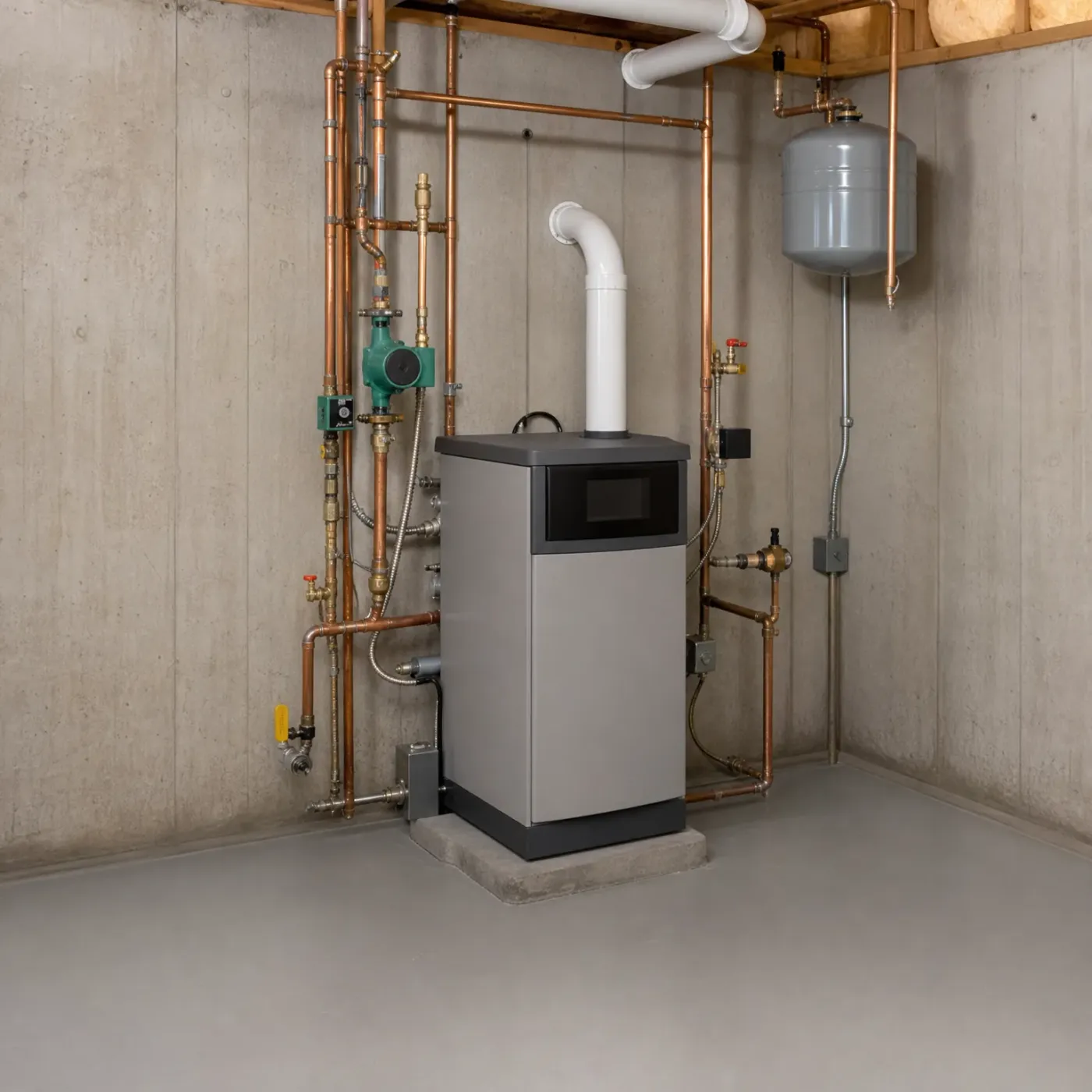
A gray residential boiler on a concrete pad in a basement corner, connected to copper piping, an expansion tank, circulator pumps and insulated flue ducting against concrete and plywood walls.
After you get your boiler repair
A gray floor-standing boiler on a concrete pad in a basement corner, with copper piping, a circulator pump, a white PVC flue, and a gray expansion tank mounted on the wall.

A system holding steady

The pump moves water through the copper lines without a fight. The expansion tank mounted on the wall takes the extra volume as the water heats, so pressure never climbs past where it should. The valve stays dry because nothing is asking it to open.

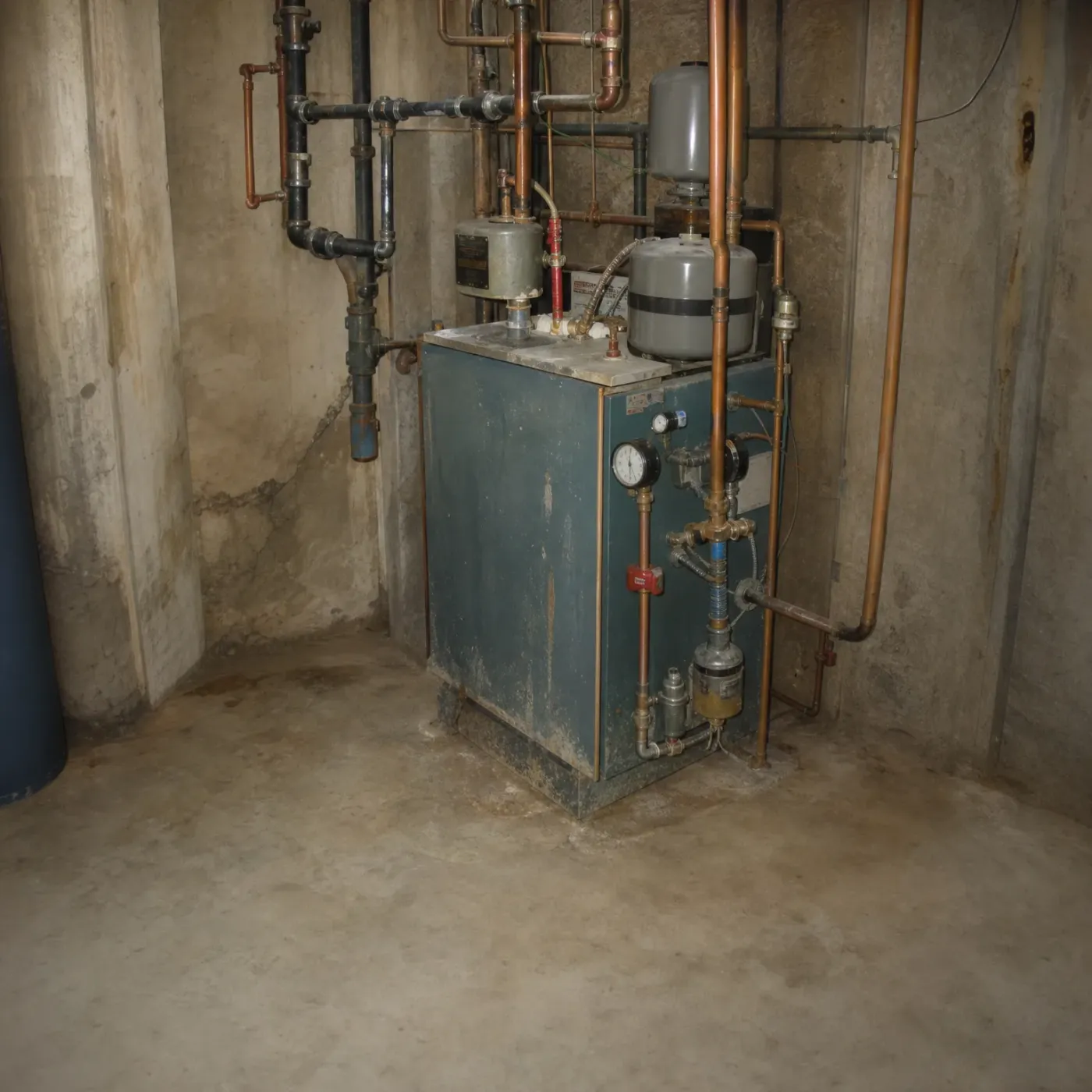
A green metal boiler with pressure gauge stands in a concrete basement corner, surrounded by copper and black iron pipes and two tank-shaped vessels.

A system under strain

This cast-iron boiler has been in that basement corner a long time, and the pipe fittings and gauge show it. When the expansion tank can't take up the slack anymore, pressure has nowhere to go but out through the valve. A licensed eye on the gauge and the tank will tell you which one gave out.

A woman with shoulder-length graying brown hair in a cream knit cardigan sits in a dark armchair indoors, looking off to the side with a slight smile, with a shelf, window and houseplant blurred behind her.
A woman with her hair in a bun holds a sleeping boy against her shoulder, both wrapped in a thick cream knit blanket on a couch in a dim room with a lit lamp, potted plants and a shelf behind them.
  1. Water heats up and expands inside the closed system.

  2. The expansion tank absorbs that extra volume to hold pressure steady.

  3. A waterlogged tank forces pressure to climb past the valve's limit.

  4. The valve opens at its set point, usually around 30 psi.

Winter nights average 17°F statewide

Winter nights here average 17°F, so your boiler is running long hours to keep up, night after night. That steady runtime keeps pressure and temperature up near the valve's limit for weeks at a stretch. A system with a waterlogged expansion tank or aging valve has little room left before it starts to weep.

NOAA nClimDiv 1991-2020 county normals weighted by homes

A gray boiler unit with a flue pipe stands on a concrete pad in a basement, surrounded by copper piping, a circulator pump, an expansion tank mounted on a stone wall, and an electrical outlet.

Running the way it should

This is what a boiler looks like when pressure stays in range. Copper lines run clean to the pump, the expansion tank on the wall is doing its job, and the flue vents straight up with no sign of strain anywhere on the unit.

A blue cast-iron boiler with a burner unit, gauges and copper piping stands in a concrete-floored basement room beside a red brick pillar and a window.

Old system, worn valve

A boiler this old has likely gone through more than one expansion tank and more than one valve. The piping and gauges show their age, and a valve that drips here usually means the seat wore out, not just that pressure spiked once.

A closed silver laptop and a white cup of coffee on a saucer sit on a wooden table in front of a wooden chair, a plain beige wall, a potted leafy plant and a window with greenery outside.

A dripping valve is telling you something real

A relief valve doesn't leak for no reason. Either pressure or temperature in your boiler is running past its limit, or the valve has worn out and lost its seal. Either way, the drip under the tank is the system telling you what's already true inside it.

Finding out which one it is means someone local checking the expansion tank, the pressure, and the valve itself, not guessing. Instead of calling around to different shops, explaining the drip and the system over and over, and sorting through quotes to figure out who actually knows boilers, you'd be matched with one licensed contractor near you who works on these systems all winter and knows what usually gives out first.

A large weathered ceramic vase and a shallow wooden bowl sit on a rustic wooden table beside a window with linen curtains, with a blurred sofa with cushions and a hanging fabric panel in the background.
A single-story stone-clad house with low-voltage path lights along a gravel bed and lawn at dusk, with a tree line and orange sky on the horizon.

Boiler Repair

One form, no calling around

Step 1 of 3: Equipment
  • A living room with a light upholstered sofa holding textured cream, blue, and blue-patterned cushions and a fringed throw, a wooden coffee table with a woven tray holding a potted plant and metal jar, a dark ceramic table lamp on a side table, and a framed landscape picture on the wall.
    • Describe your boiler job, and a local pro who handles it gets in touch.
    • Say what's going on with your boiler, and a pro who works on them reaches out.
  • A beige upholstered armchair with a cushion and knit fringed throw sits in a corner beside a window with linen curtains, a wooden side table with a ceramic lamp, and a framed picture on the wall.
    • One request and the search for a pro is handled.
    • Send it once and finding someone is no longer on you.
  • A cream upholstered sofa with gray and orange cushions and a knit throw sits by a window, beside a potted tree in a woven basket and a wooden coffee table holding a tray, small vase with greenery, and a cup.
    • Fill out one short form instead of calling around.
    • Explain the job once and skip repeating it on every call.
  • A beige upholstered armchair with a dark green knit throw and cushion sits by a white paneled wall, beside a wooden stool holding a potted plant near a window, with a large leafy plant in a woven basket at left.
    • The pro who reaches out is licensed in Nebraska.
    • Only one pro gets your request, so you hear from one company.