 Request a pro
Why your boiler runs out of hot water in Nebraska
Tell a local repair pro what your boiler is doing.
A boiler that runs out of hot water usually isn't out of gas or out of power. Something inside it, the aquastat, a failing circulator, mineral buildup on the heat exchanger, is keeping it from doing its job. That's true whether the house is new or came with a boiler already installed, and it's worth having someone look before the problem gets worse or the water stops heating at all.
You don't need to know which part it is to get it fixed. What you need is a contractor who works on boilers specifically, not someone who'll show up, tell you it's out of their range, and leave you back where you started.
Finding that person yourself usually means a string of calls, explaining the same problem each time, waiting on callbacks that don't come, then doing it again with the next name on the list. Some contractors don't work on boilers at all, and you won't know until you've already spent the afternoon on the phone.
This page skips that part. Tell it what's going on with your hot water, and it matches you with a contractor who handles boiler repair and knows the work. That contractor reaches out to you directly. No more calling around Nebraska looking for someone who'll actually take the job.
Gas is how most homes here heat, and power is cheap, so when a boiler starts running short on hot water, it's rarely the utility at fault. It's the machine. Getting the right person looking at it is the part that takes the guesswork out, and that's the part this page handles.
The button below starts that match. What comes after is between you and the contractor who takes the call.
A boiler that runs out of hot water is usually working against a limit, not a lack of fuel. Most boilers here run on gas, and gas keeps flowing fine even when the heat exchanger can't transfer what it's burning. Mineral scale builds up on that exchanger over years, especially if your water is hard, and it acts like a blanket between the flame and the water. The aquastat, which tells the boiler when to fire and when to stop, can also drift out of calibration and shut things off before the tank is actually hot. A circulator pump that's slowing down will move less hot water to your taps even when the boiler itself is heating properly. Any one of these can leave you with a short supply of hot water in the shower or the kitchen sink, no matter how cold or mild it is outside. Figuring out which one it is means someone looking at the actual unit, not guessing from the symptoms alone.
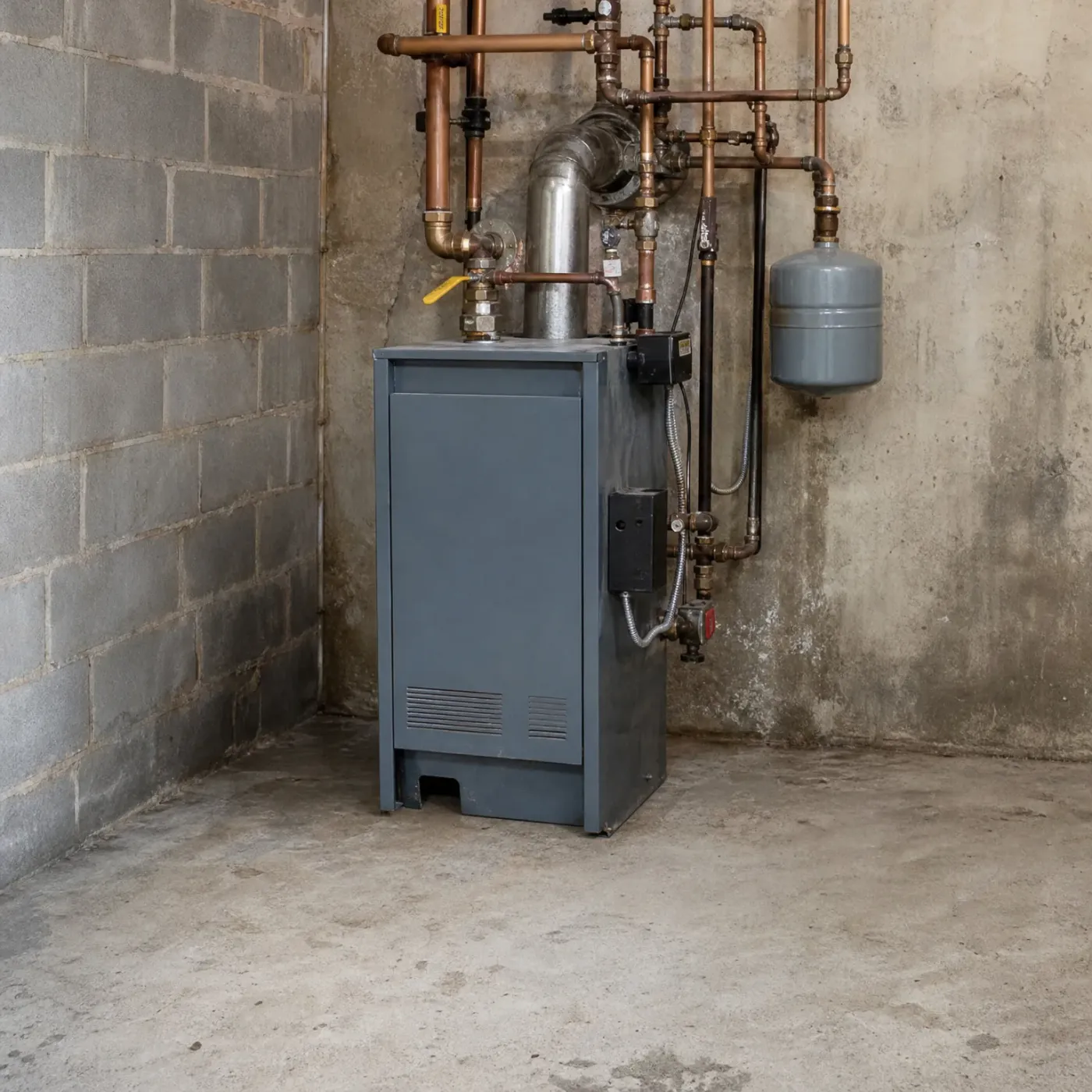
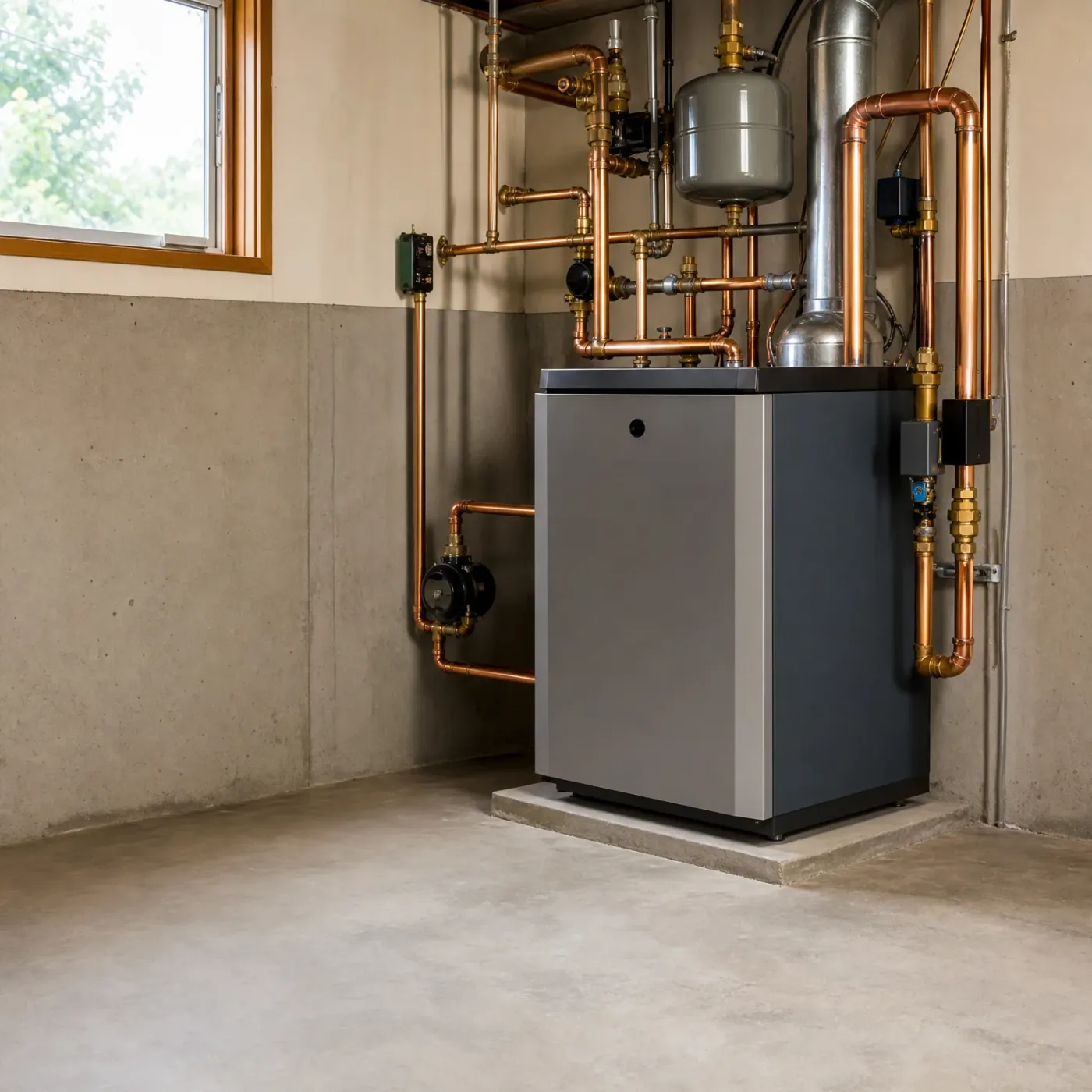
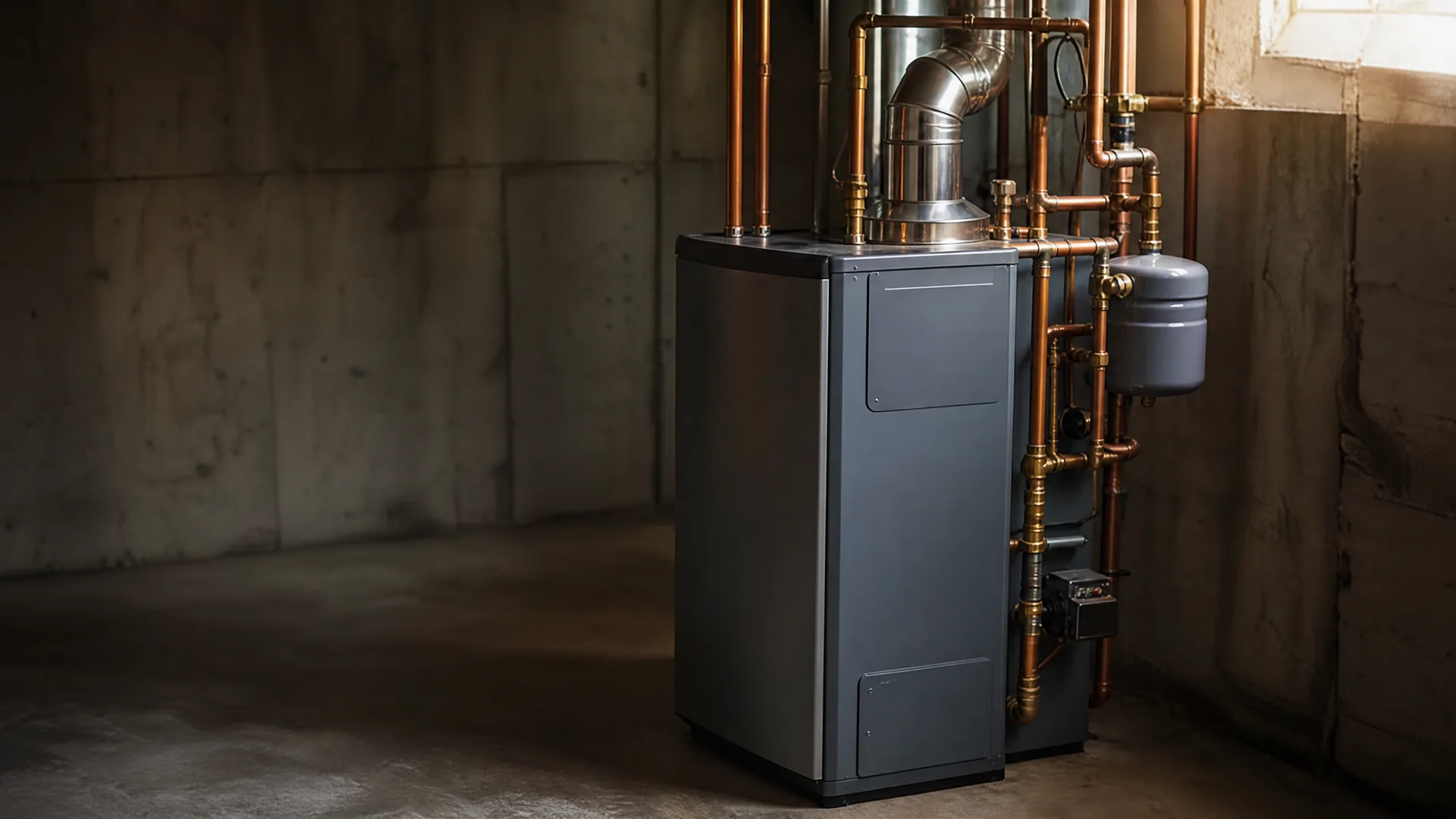
The boiler itself doesn't run out of anything. It burns gas, heats water, and a circulator pump carries that heat to a coil or indirect tank where your tap draws from it. Every part in that chain has to do its job for hot water to show up when you turn the faucet. Scale on the heat exchanger is the most common holdup. It works like a layer of insulation, so the burner has to run longer to reach the same temperature, and the aquastat cuts things off before the house gets what it needs. The aquastat only knows one thing: has the water hit the number it's set to. It has no way of knowing whether that heat made it to your shower. A slow or failing circulator causes the same result a different way, moving water through the exchanger too slowly for the heat to transfer before the burner shuts off. In an indirect tank, sediment at the bottom does something similar, sitting between the coil and the water it's supposed to be heating.
How the hot water actually moves
- A boiler heats water in a tank or coil, then a circulator pump pushes that hot water out to a tankless coil or indirect tank for the tap.
- Scale on the heat exchanger forces the burner to run longer to reach the same water temperature, so the aquastat shuts things off before the house gets enough hot water.
- A failing circulator moves water too slowly through the exchanger, so the burner cycles off on temperature before enough heat has actually transferred.
- The aquastat is a switch, not a thermometer for your shower, and once it reads the setpoint it cuts the burner regardless of how much hot water has reached the tap.
- Sediment in an indirect tank settles at the bottom and insulates the coil from the water around it, slowing how fast the tank recovers between draws.
- A circulator that's seized or wired wrong will let the boiler fire and reach temperature without ever delivering that heat to the hot water side.




What the aquastat is doing
The aquastat is the switch that tells the burner when the water is hot enough and when to stop. If it is set too low, or it has drifted out of calibration, the boiler shuts off the burner before the tank or coil reaches a usable temperature. You will not see a code for this. The water just never gets as hot as it used to, and it runs out faster because it started from a lower point. A failing aquastat does not always fail all at once. It can hold the right setting for weeks, then read wrong on a cold morning when you need it most.
Why the circulator matters too
Hot water sitting in the boiler does nothing for the shower down the hall. The circulator pump is what moves it out to the indirect tank or the coil that feeds your taps. If the pump is weak or seized, water heats but doesn't move the way it should, so what reaches you is less hot, slower. A pump pulling more current than it should, or one that's gone quiet when it should be running, points to that part and not the burner. This is also why two boilers set to the same temperature can perform differently for the people using them.


Get your boiler to the right pro
A boiler that keeps falling short on hot water does not get better on its own. The aquastat does not recalibrate itself, scale does not clear off the heat exchanger, and a circulator that is losing strength will keep losing it. Each cold shower is the same problem repeating, and the parts involved only wear further with time. Finding someone to look at it usually means searching for a boiler contractor in Nebraska, calling a few, explaining what's happening with your system to each one, and weighing quotes that may not even be answering the same question. That is the part this page takes off your hands. Instead of all those calls, one request goes out and a contractor who works on boilers like yours follows up with you directly. Nebraska winters do not leave room for a boiler that is only half working, and the sooner the actual cause gets found, gas burning past a sticking aquastat or heat transfer blocked by mineral scale, the sooner you are back to hot water that lasts.

The radiator under the window has ice tracing the inside of the glass this morning, and you still have your coat on inside your own living room. You bled this radiator last week and it ran warm for a few days. Now it is barely holding heat at the bottom, cold at the top, and the room has that flat, stale-cold feel that no sweater fixes. Down in the basement the boiler is running, you can hear the burner cycling, but whatever it is heating isn't making it up here. Your kids are getting ready for school at the kitchen table with their jackets on. You check the thermostat again. Still set at 68.
Winter nights average 17°F statewide
At 17°F, your boiler is working harder and longer to heat each tank of water, which leaves less margin when the aquastat is off or scale has built up on the exchanger. A unit that limped through October can run out well before the tap shuts off on a night this cold.
NOAA nClimDiv 1991-2020 county normals weighted by homes
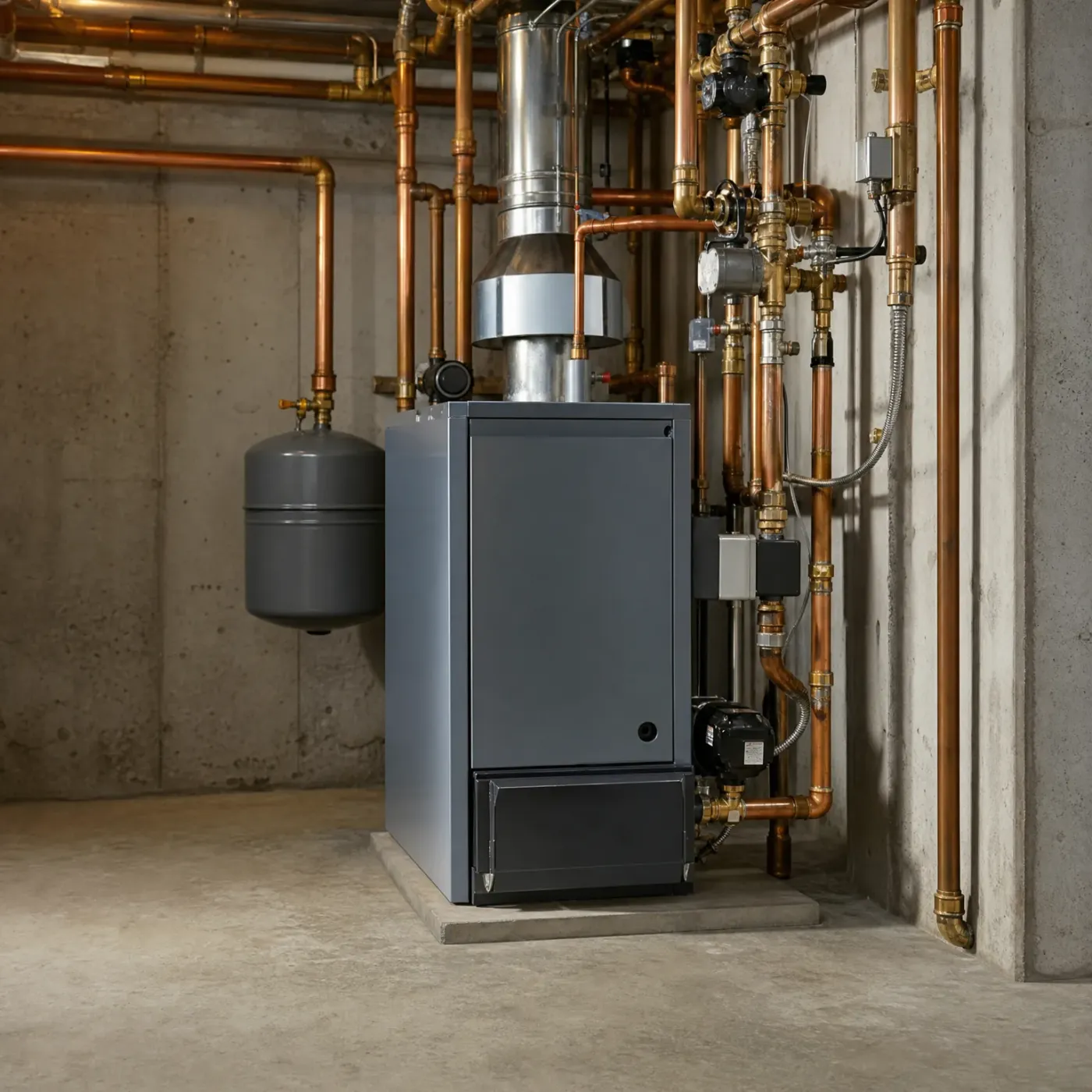
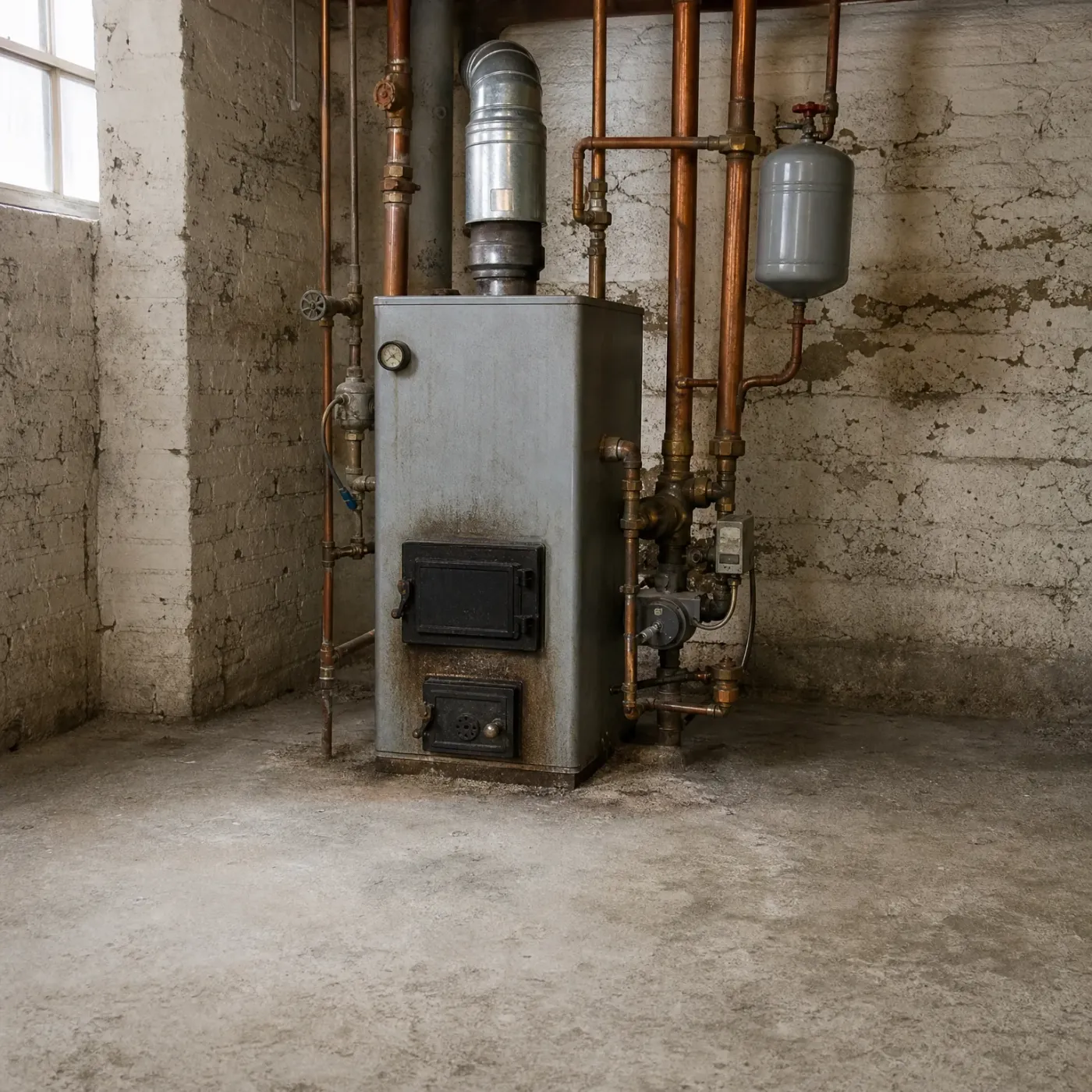
Why does my boiler run out of hot water faster in winter?
Why does my boiler run out of hot water faster in winter?
Because incoming water is colder, so the boiler has less margin before it hits its limit
Groundwater coming into the house is colder once temperatures drop, so the boiler has to raise it further to reach the same tap temperature. That takes longer, and it asks more of a heat exchanger that may already have scale on it or an aquastat that is already set low. In summer the same unit might cover for a weak circulator or a few degrees of miscalibration without you noticing. In winter there is no spare capacity left to hide it. The shortfall that showed up as lukewarm water in July shows up as the tap running cold halfway through a shower in January.
Winter nights average 17°F across Nebraska, according to NOAA climate data. That's the water coming into your boiler, not the water leaving it, and the gap between those two numbers is what the burner has to close every time someone runs a tap. A boiler that could keep up in September is starting from much further behind by January. If the aquastat is off or scale has built up on the exchanger, that extra distance is what turns a short delay into a cold shower partway through.
NOAA nClimDiv 1991-2020 county normals weighted by homes

A boiler running out of hot water has a cause, not just a symptom
A weak aquastat, a circulator losing strength, scale on the heat exchanger. One of those is the reason your boiler can't keep up, and a licensed contractor can tell you which one once they look at the unit. Guessing at it yourself from one cold shower won't tell you much. Nebraska winters push water that comes in near 17°F, and that's the number your boiler has to work against every time someone runs the tap.
You don't have to call around to find someone who works on boilers, explain the problem twice, and sort through quotes to see who actually knows this equipment. Answer a few questions about your situation and a contractor who handles this kind of repair in your area will reach out to you directly. From there you'll know what's wrong and what it takes to fix it, instead of guessing at it through another cold morning.

The right pro for this job