A system holding steady pressure
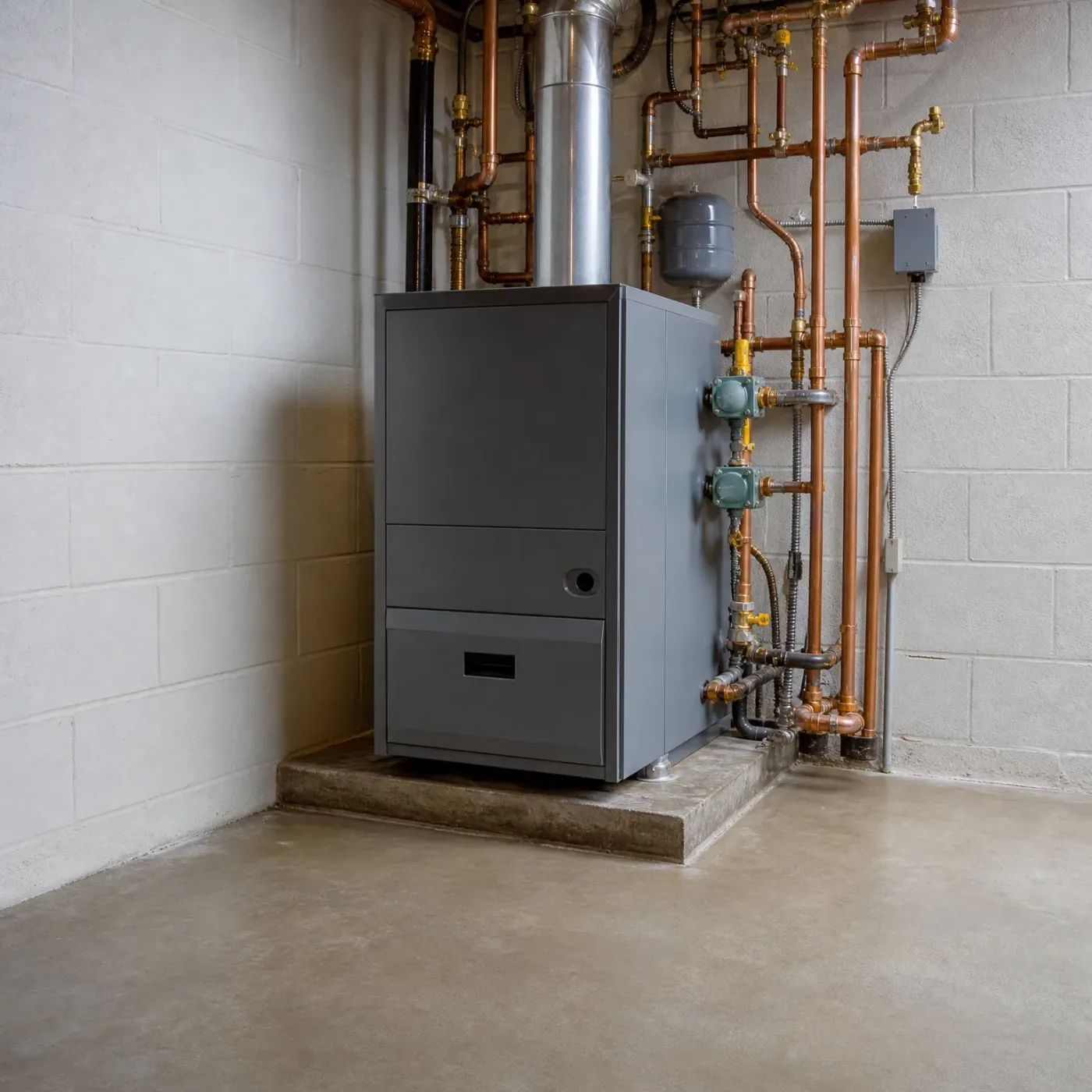
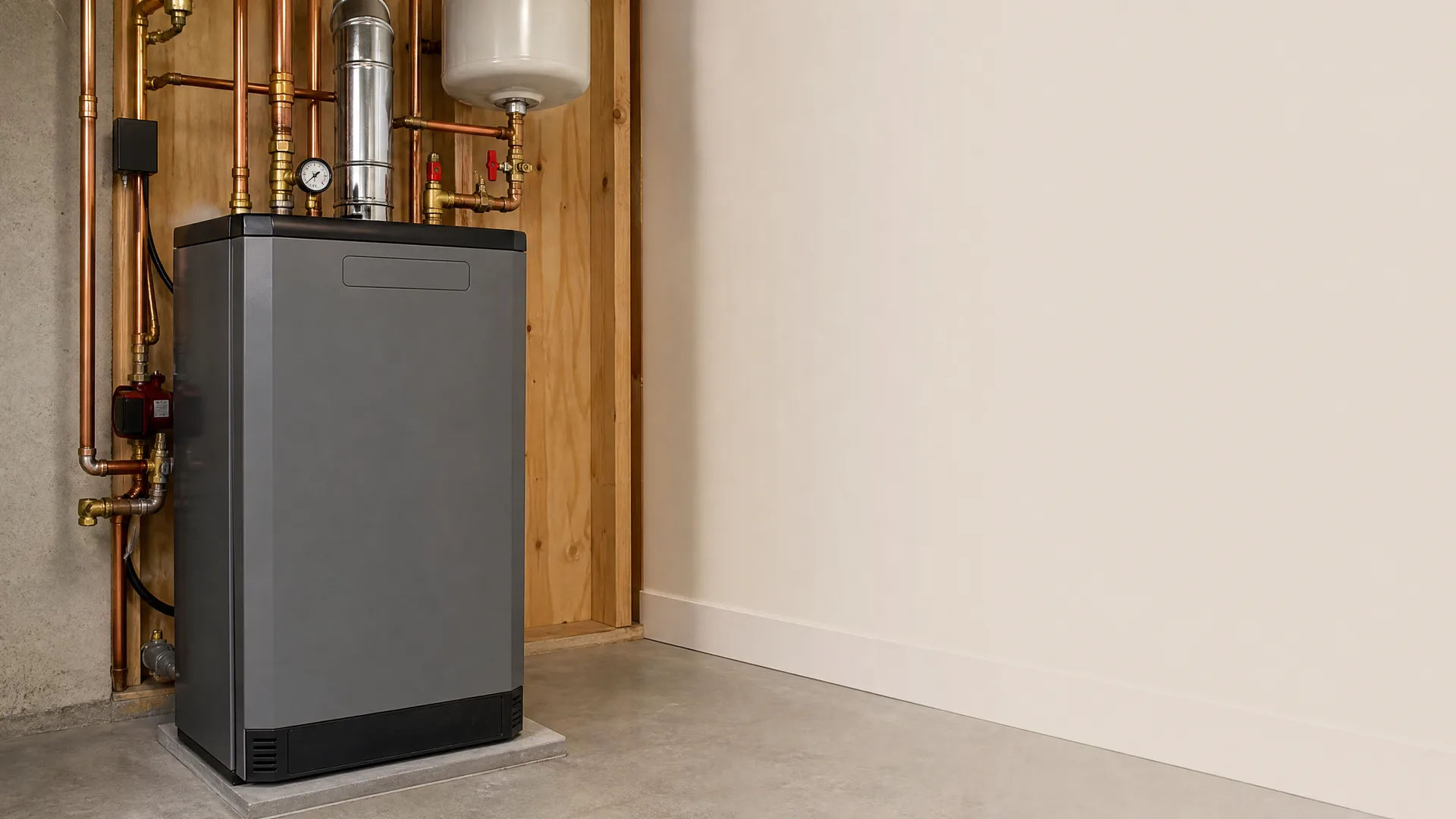
This is what a boiler looks like when it's doing its job. The gauge holds its number, the zone valves open and close on schedule, and water moves through every line without a fight. Nothing here needs your attention.

Radiators stay cold or lukewarm when air is trapped inside them, when the boiler isn't building enough pressure, or when a valve has stuck shut. Air gets into the system over time, and it collects at the top of the radiator, pushing the hot water down and leaving the top cold while the bottom stays warm, or leaving the whole thing cold if there's enough of it. Low boiler pressure does something similar: without enough water pressure pushing through the system, water can't reach radiators on upper floors or at the far end of the loop. A valve that's stuck, either the one that lets water in or the one that lets air out, stops water from circulating at all. In a Nebraska winter, a radiator that isn't heating is more than an inconvenience. It means part of your house isn't getting warm, and the boiler is working anyway, running without actually heating that room.




Water comes into a radiator at the bottom and rises as the boiler pushes it through. Any air inside gets shoved up ahead of it, which is why a bleed valve sits at the top. Open it and the air hisses out first, then water follows once the space is full. That's a normal part of how the system works, not a sign anything's broken.
Where the cold spot shows up tells you what's wrong. Cold at the top, hot at the bottom, that's air, plain and simple. Cold everywhere means the valve feeding it is shut or stuck, either the inlet or the lockshield on the return side, and no amount of bleeding will fix that. If the boiler's running under 12 psi or so, it may not have the push to reach radiators upstairs or at the far end of the loop, even with no air in them at all. And if a radiator's been in the house for years without being flushed, rust and sludge can settle at the bottom and choke off flow the same way a stuck valve would.
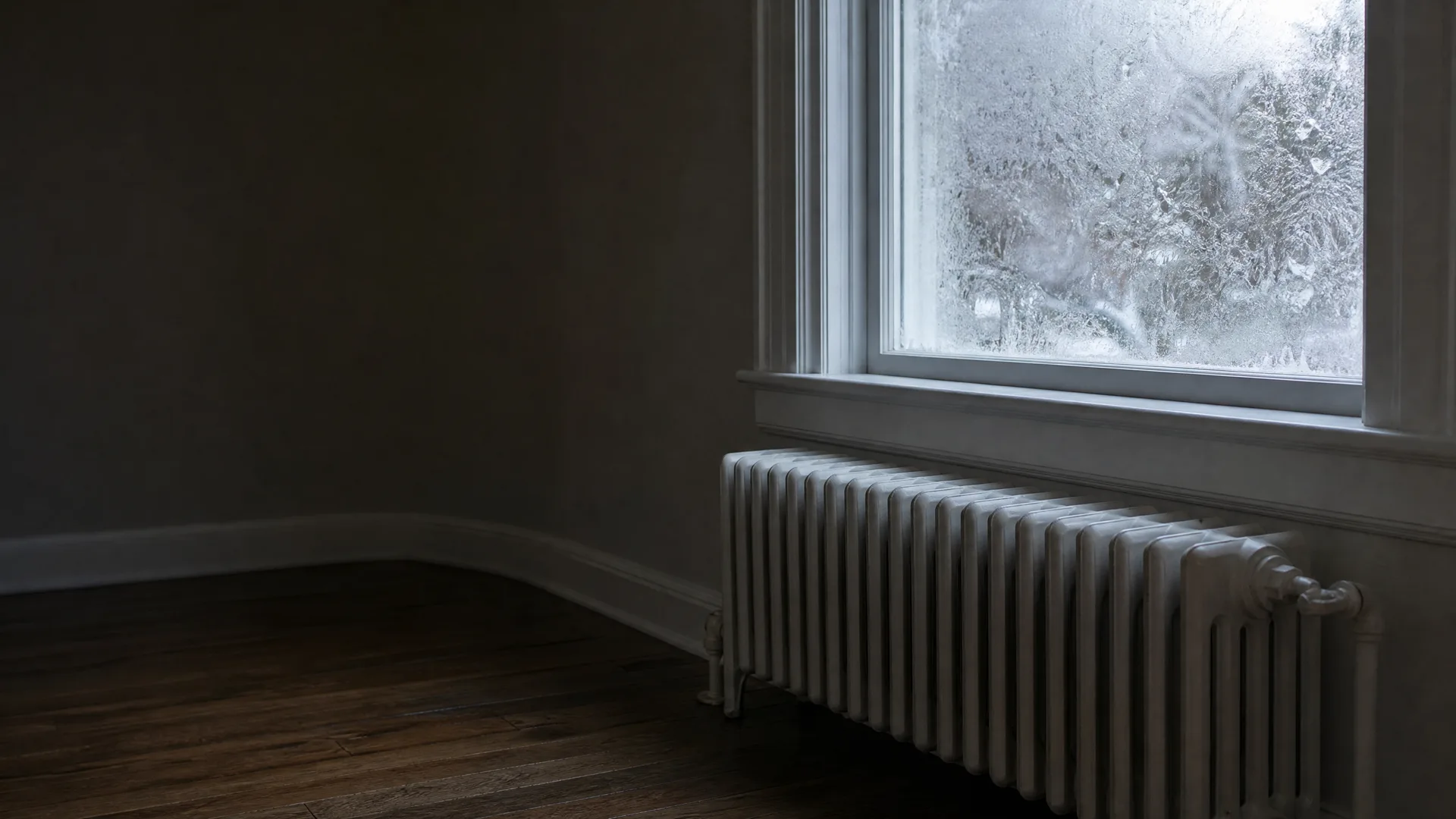
You get up before the thermostat does, the way you always do in January. The living room is gray and cold. Frost has crept across the inside of the window glass, feathered at the edges, and under that window the cast-iron radiator sits dark and silent. You put a hand flat on its top ridges. Nothing. The bottom is faintly warm, but the heat stops there, like it ran out of room to climb. Outside, the car windshield is white and the street hasn't been plowed yet. You've caught this before it turned into a cold house all day, and you already know this one isn't something to wait out.
A radiator that stays cold through a Nebraska January isn't something to wait out. With gas this cheap here, a boiler burning fuel to fight trapped air or low pressure is wasted money every single day it runs that way. Bleeding a valve yourself might buy a little heat back, but if the boiler won't hold pressure or a valve has seized shut, that's a repair job, not a weekend fix. A contractor who works on boilers in this state knows what a cast-iron radiator needs to run full and hot again, front to back. Getting that looked at now, before the next cold snap, means you're not up at six checking the thermostat and the window frost again tomorrow. Send the request and let someone who does this for a living take it from here.
Each radiator has its own bleed valve because air pockets form separately in each one. Opening it lets trapped air escape until water reaches the opening, which is why the hiss turns into a thin stream. Closing it right then matters. Leave it open too long and you let water out instead of air, which drops system pressure further and leaves you with a new problem on top of the one you started with.
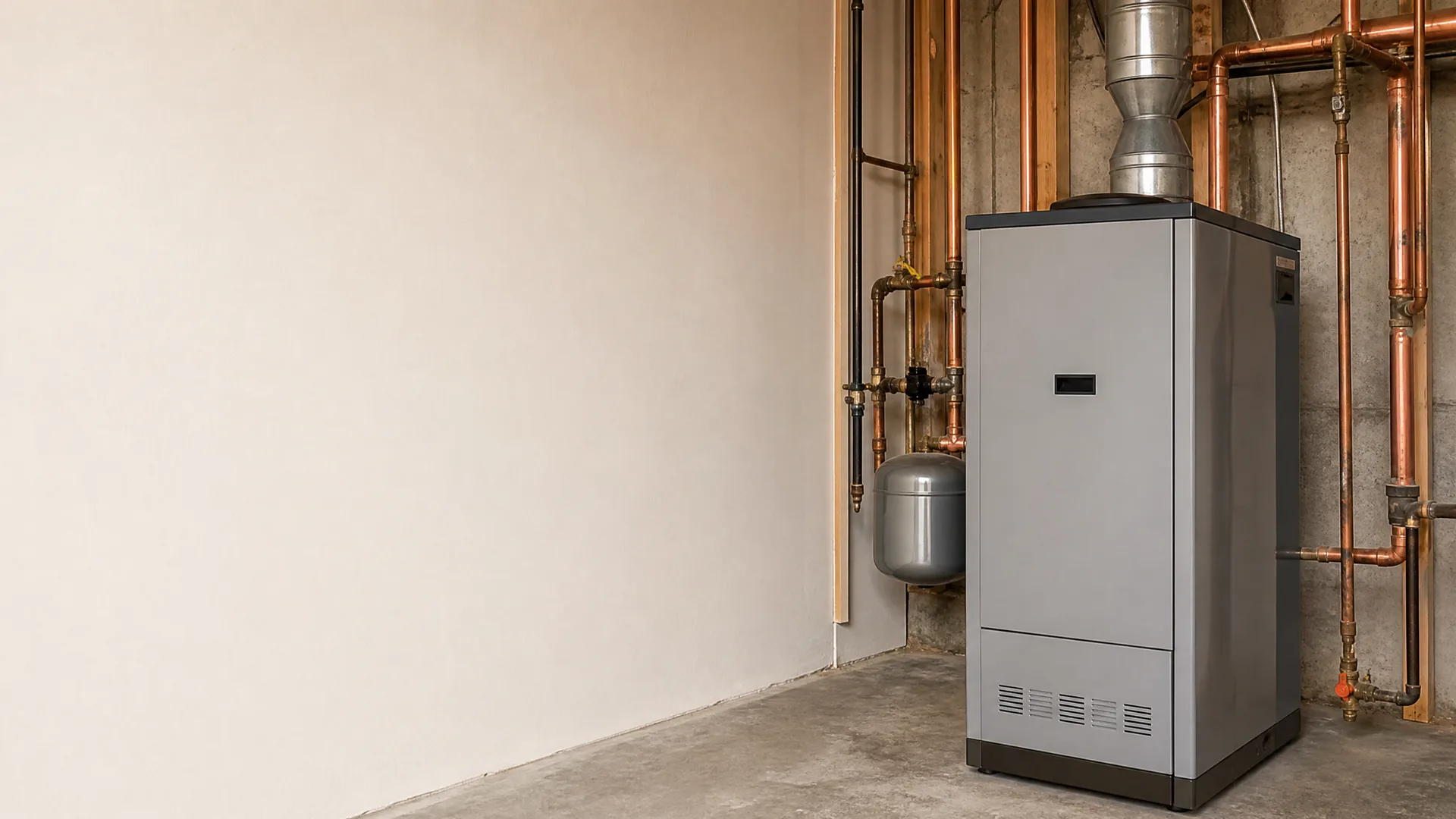
Steam and hot water boilers push their supply through a loop of pipes, and a valve that won't open all the way restricts flow to whatever radiator sits past it. The radiators before it on the loop heat normally. The one behind a stuck valve gets a trickle or nothing, even while the boiler itself is running fine and every gauge reads normal. A plumber can free or replace that single valve without touching the rest of the system.


At 17°F overnight, a cold radiator isn't something to leave till the weekend. That room loses heat fast, and a boiler fighting trapped air or low pressure runs longer to make up for it on nights this cold.
NOAA nClimDiv 1991-2020 county normals weighted by homes
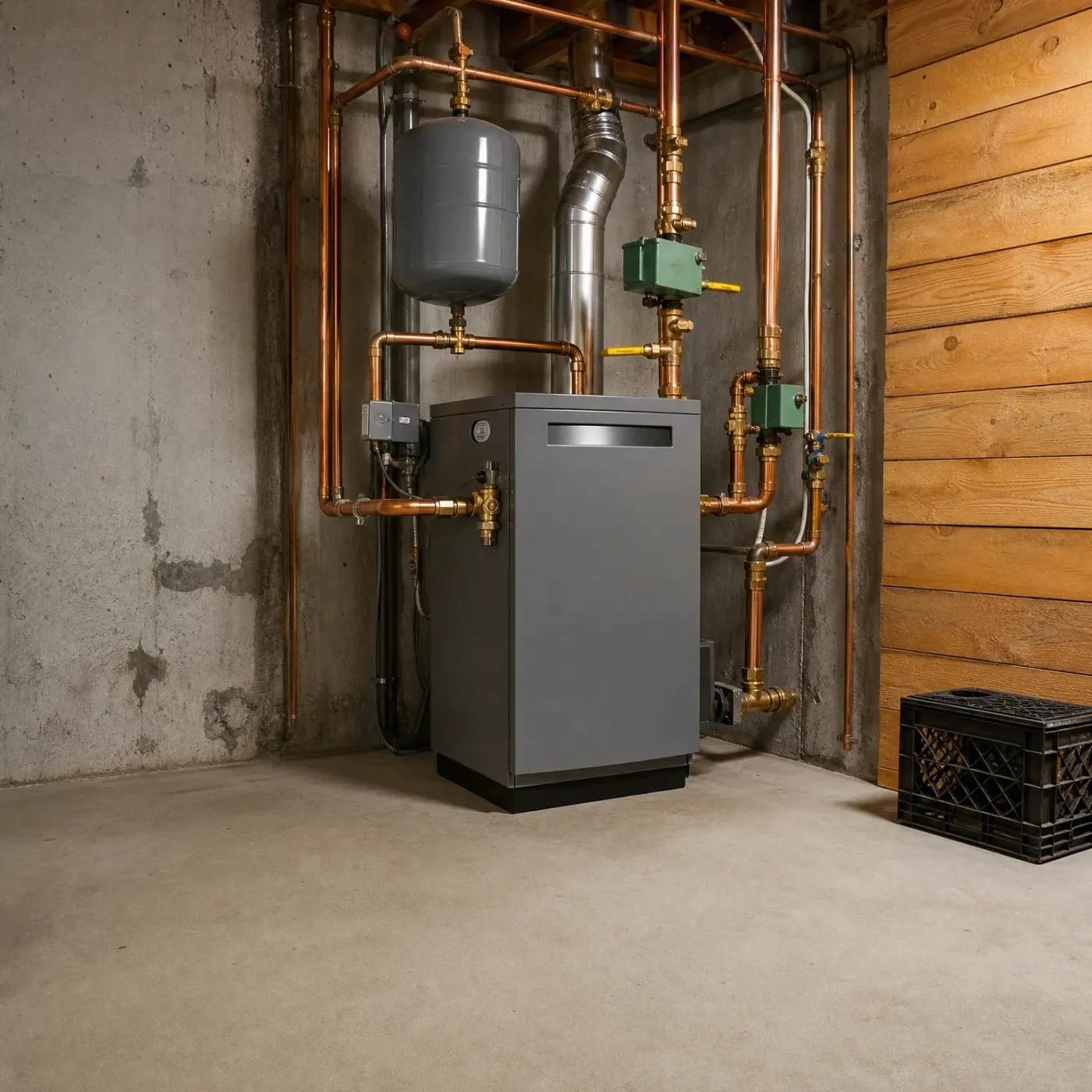
This is what a boiler looks like when it's doing its job. The gauge holds its number, the zone valves open and close on schedule, and water moves through every line without a fight. Nothing here needs your attention.
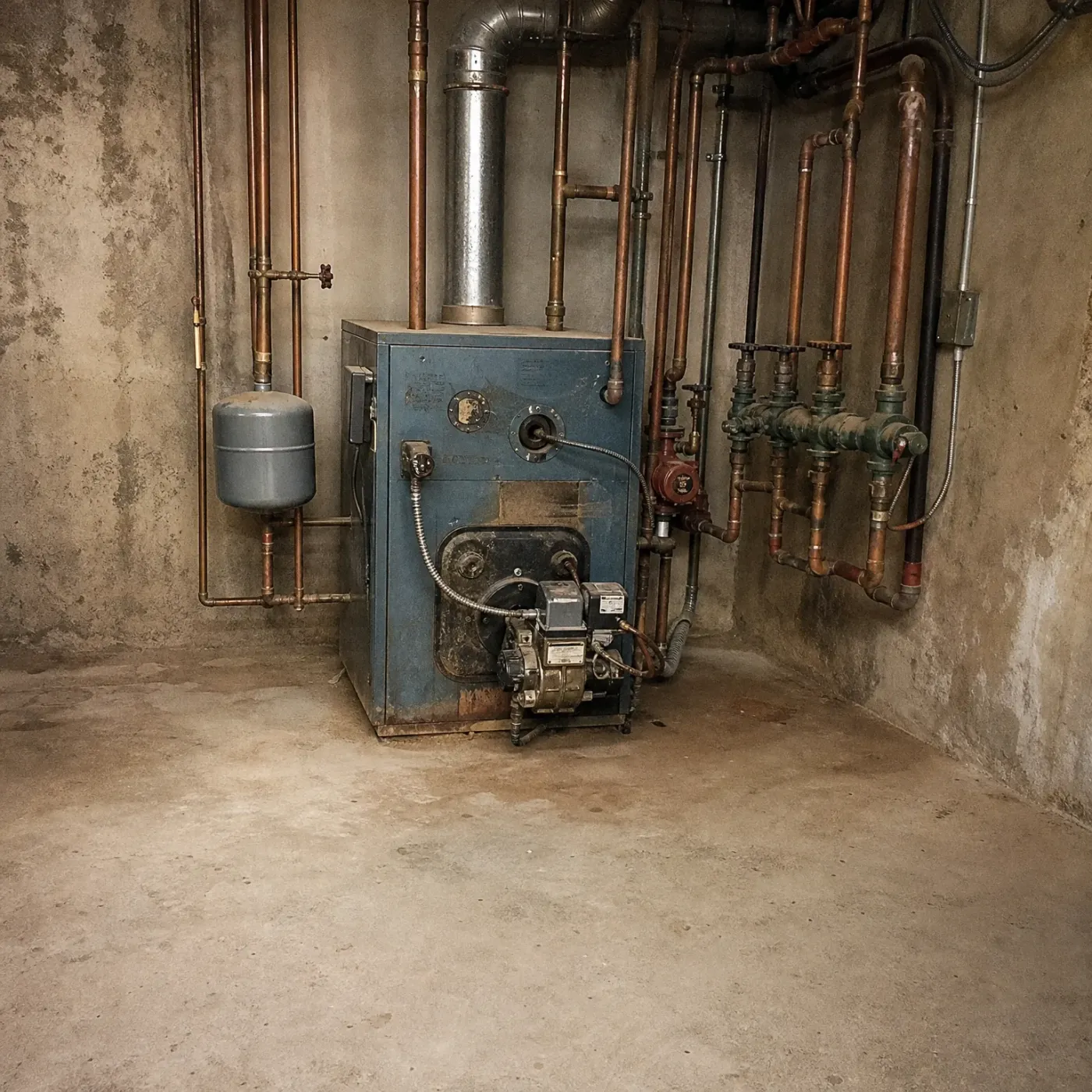
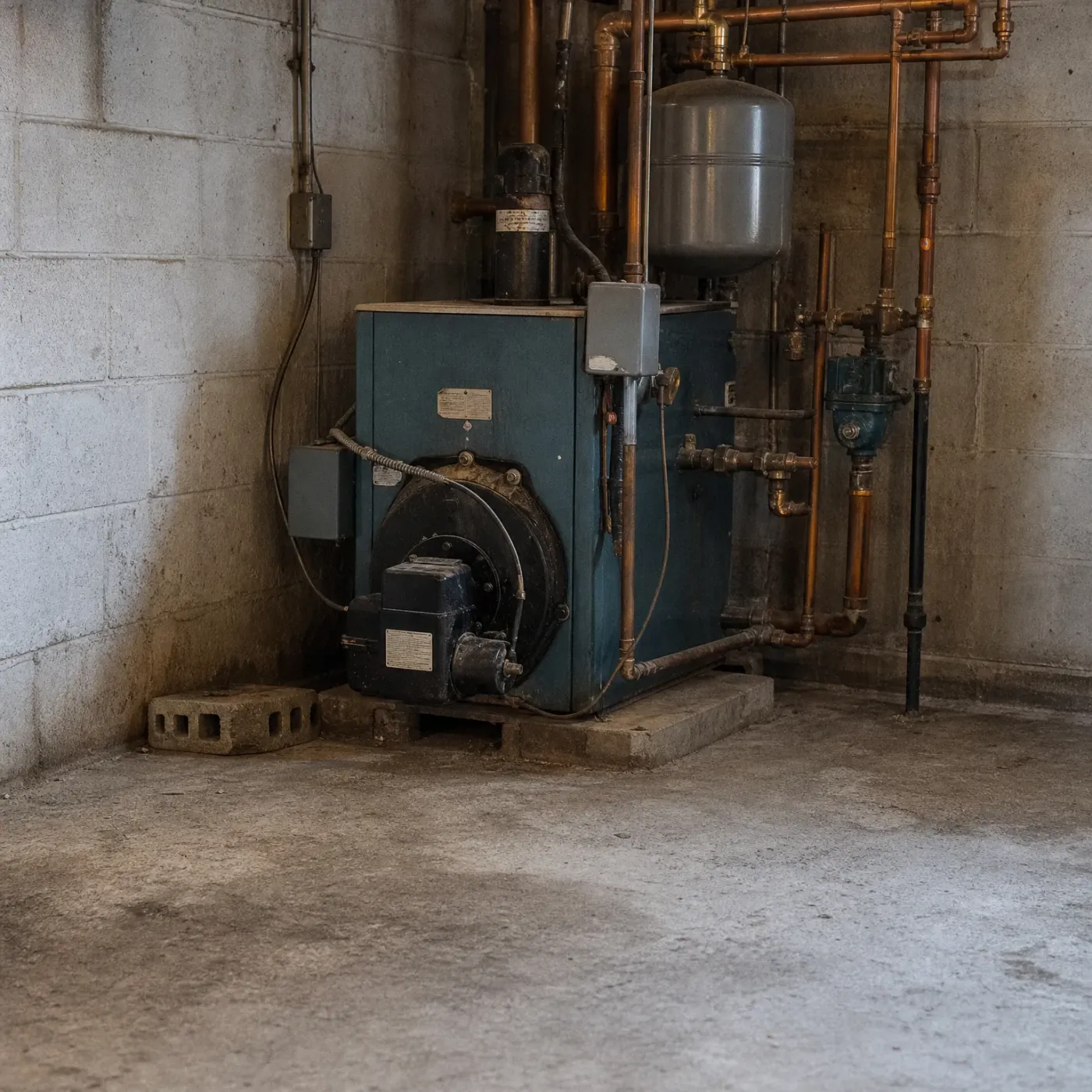
Old shut-off valves and galvanized pipe like this tend to weep slowly at the joints, and pressure drops between one check and the next. A boiler this age is worth watching closer, since a seal giving out here won't announce itself until a radiator goes cold.

Trapped air, low pressure, a stuck valve. One of those three is why that radiator hasn't warmed up, and none of them get better by waiting. The boiler keeps burning gas trying to heat a room that isn't getting the water it needs, and that goes on for as long as the problem sits there.
A contractor who works on boilers in Nebraska has seen this exact radiator before, cold at the top or cold all the way through, and knows which of the three it is within minutes. Once you send in your request, that part stops being something you have to figure out. A contractor who takes on jobs like yours gets your information and reaches out, and from there it's off your plate.

Get the boiler repair search off your mind today.
You only hire the pro if you want to.