Tell us about the job
Takes about a minute. No obligation.
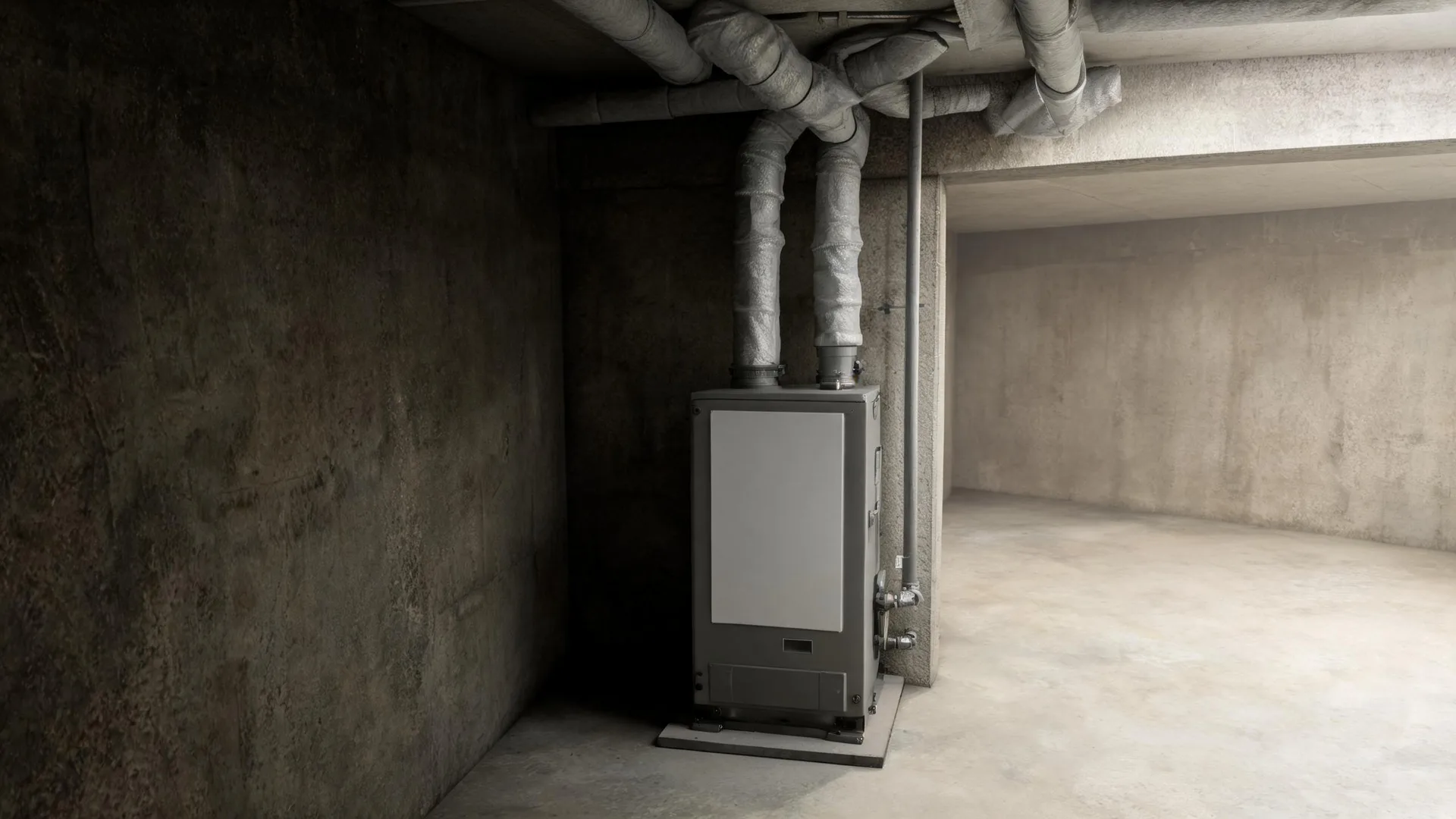
A boiler running through a long Nebraska heating season puts its hardest miles on the burner assembly and the ignition system, both of which cycle every time the thermostat calls for heat. Homes in Hooker County, NE run heat about eight months a year, from October through May. The heat exchanger takes that same load, and a contractor working a repair here checks it for fatigue cracking before quoting anything else. Corrosion inside the pressure relief valve and at the circulator pump fittings also shows up in equipment that has worked this hard. Those are the components that wear first, and the ones a repair scope should price before anything else on the list.
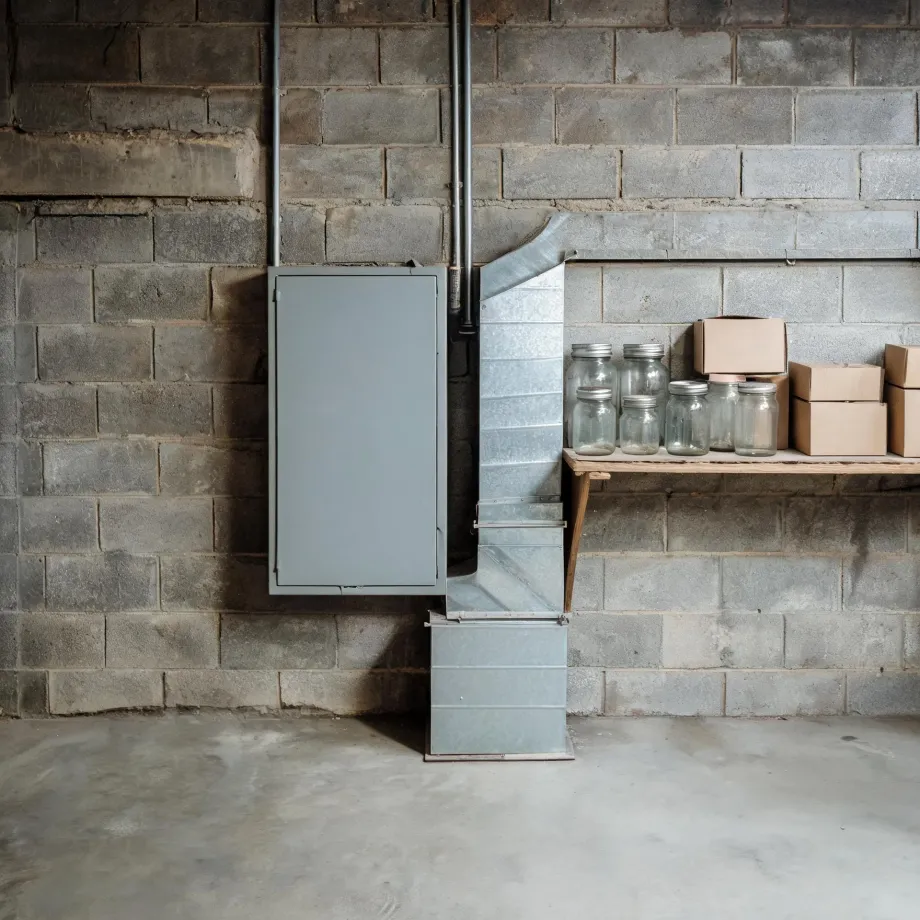
Boilers in Hooker County tend to sit inside houses that have already lived through at least one major change in how they were heated. Half the homes in Hooker County, Nebraska were built in 1955 or earlier (2020-2024 ACS 5-year). That means the pipe runs, zone valves, expansion tanks, and radiators a contractor opens up are likely original to a configuration that served something different from what is running now. A part that tests as the problem may be, but if the distribution system behind it is corroded or undersized for the current boiler, replacing that part produces a different repair bill than the one quoted. The contractor has to assess what the whole loop actually is before the scope is set.
The Parts of a Boiler a Contractor Checks First
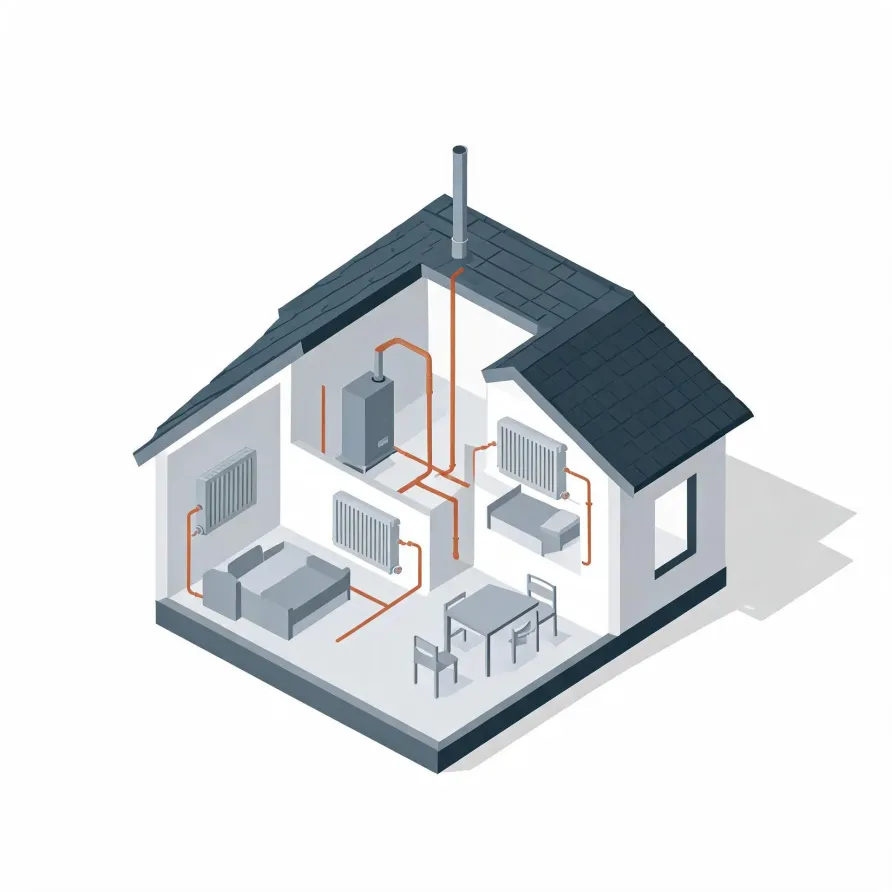
The boiler itself sits in the basement or mechanical room and is the heart of the system. It heats water and pushes it out to the rest of the house. When heat stops reaching a room or the system short-cycles, the burner assembly, heat exchanger, or pressure relief valve are the first places a contractor looks.
Radiators or baseboard units sit in each room and release heat from the water passing through them. A circulator pump moves that water through the pipes connecting everything, and the expansion tank keeps pressure stable. A failing pump or a waterlogged expansion tank will often mimic boiler problems, so contractors check both.
The drawing shows a general layout of these components, and a licensed contractor determines what applies to the specific system in your home.
Find a contractor in Hooker CountyHooker County by the Numbers
72 severe weather events were recorded in Hooker County, Nebraska between 2015 and 2024.
NOAA National Centers for Environmental Information, Storm Events Database, bulk CSV export, events 2015-01-01 through 2024-12-31.Half the homes in Hooker County, Nebraska were built in 1955 or earlier (2020-2024 ACS 5-year).
U.S. Census Bureau, 2020-2024 American Community Survey 5-Year EstimatesHooker County, Nebraska holds 428 housing units (2020-2024 ACS 5-year).
U.S. Census Bureau, 2020-2024 American Community Survey 5-Year EstimatesOwners occupy 55.4% of the occupied homes in Hooker County, Nebraska (2020-2024 ACS 5-year).
U.S. Census Bureau, 2020-2024 American Community Survey 5-Year EstimatesCodes & Standards Governing Boiler and HVAC Repair in Hooker County, Nebraska1 sourced rules and standards
Licensing and Legal Requirements for HVAC Repair in Hooker County, Nebraska
Nebraska requires registration rather than a licence: a contractor must be registered with the Department of Labor before performing any construction work, though anyone earning less than five thousand dollars a year from construction services is not a contractor under the Act at all.
Severe Weather Events in Hooker County
Extreme weather puts real stress on boiler systems, and that stress accumulates over time. A boiler working hard through difficult conditions is one that needs reliable repair service nearby.
72 severe weather events, 2015–2024. Source: NOAA National Centers for Environmental Information, Storm Events Database.